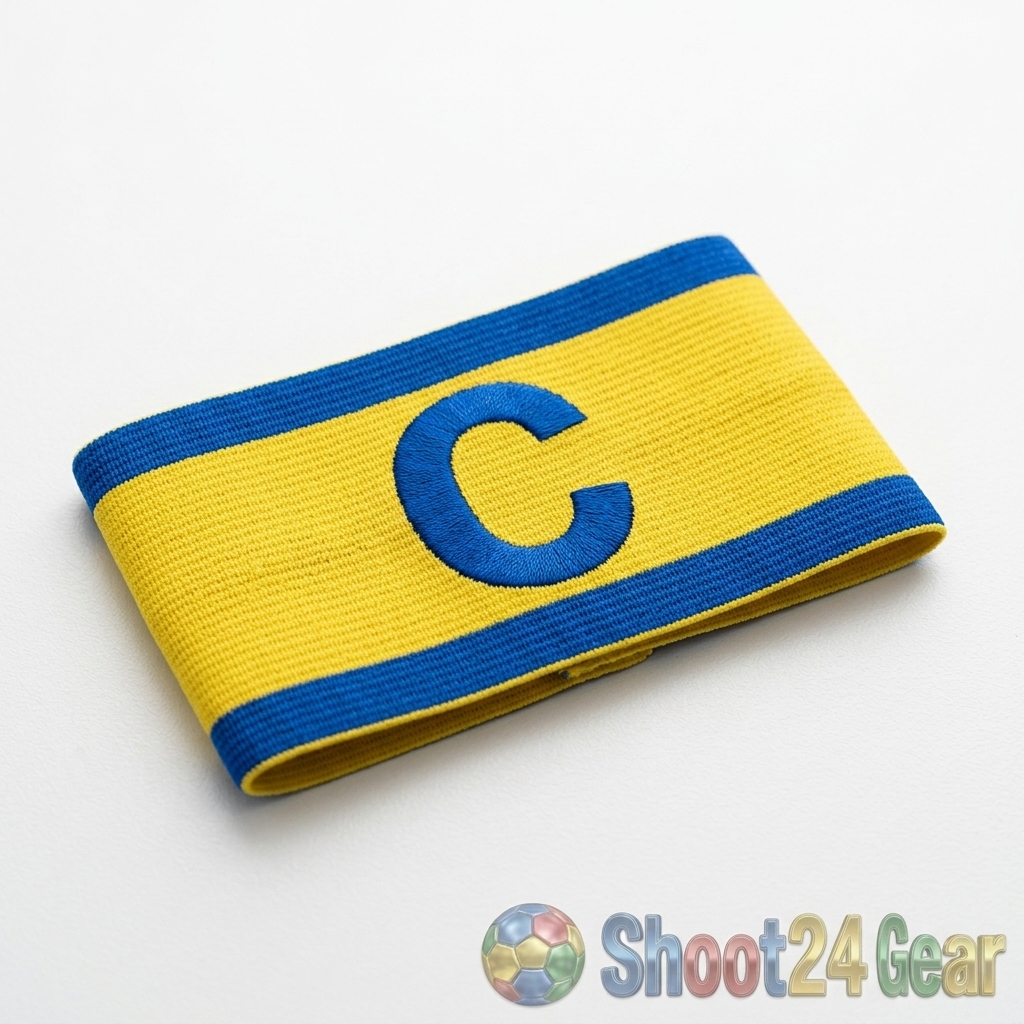
The captain’s armband is one of football’s most recognizable and symbolically significant accessories — a simple fabric band worn on the upper arm that designates the team captain and carries decades of sporting tradition, leadership responsibility, and competitive pride. While functionally straightforward — an elastic band that fits around the bicep — the captain’s armband holds profound significance within football culture as the visible marker of team leadership, referee communication authority, and the trust that teammates and coaching staff place in the designated captain to represent the team’s competitive spirit and sportsmanship values throughout every match and competition.
This comprehensive guide examines captain armbands across all design types and customization options, covering the FIFA regulations governing armband use in competitive football, different design types and material options available, sizing considerations for comfortable and secure wearing, customization and personalization options for clubs and organizations, youth captain armband considerations, care and maintenance guidance, historical and cultural significance within football tradition, and practical purchasing recommendations for clubs, teams, and organizations selecting captain armband equipment that appropriately represents their team identity and competitive values at all levels of organized football.
FIFA Regulations
FIFA Laws of the Game require that team captains are clearly identifiable, with the captain’s armband serving as the standard identification method across all levels of organized football worldwide. The armband must be worn visibly on the upper arm — typically the left arm — throughout the match duration. When the captain is substituted, the armband must be transferred to the designated replacement captain before the original captain leaves the field of play, maintaining continuous captain identification throughout every minute of competitive play.
Competition regulations may specify armband color requirements — some competitions mandate specific colors that contrast with the team’s shirt color for maximum visibility. Professional leagues and international competitions often provide standardized armbands featuring competition logos, anti-discrimination messaging, or campaign branding that captains are required to wear rather than team-supplied alternatives. at amateur and youth competitive levels, teams typically have complete freedom to select their own armband designs within basic visibility requirements.
Design Types
Elastic Slip-On Armbands
The most common armband design uses a wide elastic band that stretches to fit over the hand and positions around the bicep through elastic tension. Slip-on armbands provide the simplest application — pull over the hand, position on the upper arm, and the elastic maintains position throughout play without adjustment. The elastic must be tight enough to prevent slipping down the arm during vigorous activity but not so tight that it restricts blood flow or creates discomfort during extended wear throughout ninety-minute competitive matches.
Velcro-Closure Armbands
Velcro-closure armbands wrap around the upper arm and secure with hook-and-loop fastening that provides adjustable fit precision. Velcro closure enables exact fit adjustment regardless of arm circumference, accommodating different players who may wear the armband across a season without requiring multiple sizes. The adjustable closure also accommodates wearing over different sleeve thicknesses — short sleeves versus long sleeves or base layers — without the noticeable fit variation that elastic-only designs experience across different clothing configurations.
Button or Snap Armbands
Some traditional armband designs use button or snap closure for a classic appearance that references historical armband construction. Button closure provides secure fastening without the synthetic appearance of Velcro fastening, suiting clubs that prefer a more traditional and classic aesthetic presentation for their captain’s armband. However, button closure provides less adjustability than Velcro and requires specific sizing more precisely than adjustable alternatives.
Material Options
Polyester elastic: The most common armband material — durable, colorfast, and machine-washable polyester elastic provides reliable performance across multiple competitive seasons. Polyester resists fading, maintains elastic recovery through repeated stretching cycles, and accepts printing and embroidery well for customization applications.
Woven fabric: Premium armbands use woven fabric construction that provides superior appearance quality — richer colors, sharper logo reproduction, and a more refined visual presentation than printed elastic alternatives. Woven armbands suit clubs prioritizing professional appearance and premium feel for their captain’s armband presentation.
Knitted construction: Some armbands use knitted construction that provides comfortable stretch and soft hand-feel against the skin or sleeve surface. Knitted armbands conform to arm contours naturally and provide comfortable wearing throughout extended match durations without the rigid edge feel that some elastic designs create against the skin.
Sizing Considerations
Adult sizing: Standard adult captain armbands fit bicep circumferences between approximately twenty-five and thirty-eight centimeters, with elastic stretch providing accommodation across this range. Players with particularly large or small arm dimensions should measure their bicep circumference and verify compatibility with specific armband sizing before purchasing to ensure comfortable, secure fit that maintains position throughout match play.
Youth sizing: Youth armbands must fit smaller arm circumferences without excessive looseness that causes the armband to slide during play. Many manufacturers offer dedicated youth sizing that provides appropriate fit for younger players’ arm dimensions. Oversized adult armbands on youth players appear unprofessional and may slip during activity, undermining the presentational purpose the armband serves.
Customization Options
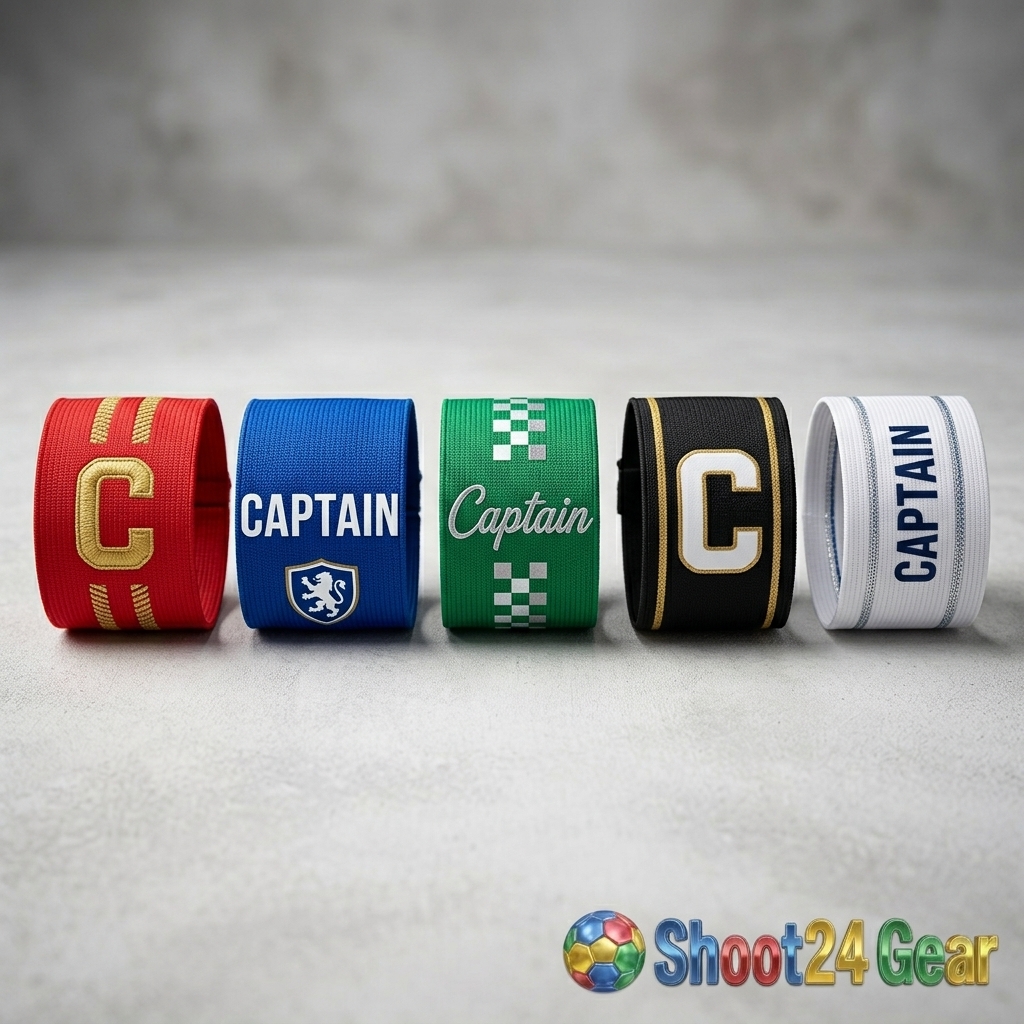
Club logo embroidery: Embroidered club logos on captain armbands provide premium branding that enhances team identity and professional presentation. Embroidery provides durable logo application that withstands repeated washing without degradation — superior longevity compared to printed logos that may fade or crack through sustained use and laundering cycles.
Player name or initial: Personalized armbands featuring the captain’s name, initials, or squad number create individualized accessories that acknowledge the specific player’s leadership role. Personalization adds meaningful significance to the armband as a personal symbol of captaincy rather than a generic team accessory.
Color matching: Custom armbands produced in exact club colors create cohesive visual presentation that integrates the armband with the team’s overall kit appearance. Color-matched armbands demonstrate attention to detail in team presentation that reflects positively on club organization and professionalism.
Campaign messaging: Armbands featuring anti-discrimination messages, charity campaign branding, or commemorative text support important causes while maintaining the armband’s functional purpose. Many professional leagues mandate specific campaign armbands during designated matchday rounds, combining captain identification with social responsibility messaging.
Historical and Cultural Significance
The captain’s armband carries deep historical significance within football culture — dating to the early decades of organized football when team captains required visible identification for referee communication in an era before electronic communication and formalized pre-match team sheet procedures. The tradition has persisted and strengthened through over a century of competitive football, accumulating layers of symbolic meaning that extend far beyond simple player identification.
Receiving the captain’s armband represents one of football’s highest individual honors — an acknowledgment from coaches and teammates of leadership qualities, competitive integrity, communication ability, and the trust needed to represent the team in official referee interactions and decision-making situations. The emotional significance of wearing the armband motivates captains to demonstrate the leadership standards that the symbol represents, creating a positive feedback loop between the armband’s symbolic weight and the captain’s behavioral standards during competitive play.
The transfer of the armband during substitution — the outgoing captain physically placing the armband on the incoming captain’s arm — is one of football’s most meaningful ceremonial moments, representing the formal transfer of leadership responsibility and the departing captain’s endorsement of their successor’s authority to lead for the remainder of the match.
Youth Football Captaincy
Rotating captaincy: Many youth coaches implement rotating captaincy systems where different players wear the armband across different matches, developing leadership skills across the squad rather than concentrating the experience on a single player. Rotating captaincy requires sufficient armband inventory to accommodate the practice and provides meaningful leadership development opportunities for young players who might not otherwise experience the responsibility and confidence that captaincy provides.
Developmental benefits: Wearing the captain’s armband provides young players with tangible leadership responsibility that develops communication, decision-making, and emotional management skills. The visible symbol of captaincy encourages young captains to model positive behavior, demonstrate sportsmanship, and develop the interpersonal skills that effective football leadership requires at all competitive levels throughout their playing development.
Care and Maintenance
Washing: Machine wash armbands on gentle cycles with team kit. Wash inside a mesh laundry bag to prevent Velcro closure from catching on other items during the wash cycle. Air dry to preserve elastic recovery — machine drying can degrade elastic fibers and reduce the tension that maintains armband position on the arm during play.
Storage: Store armbands flat rather than bunched or compressed to maintain shape and elastic integrity. Keep armbands with match-day kit to ensure availability on match days — forgotten armbands create unnecessary disruption to pre-match preparation and captain designation procedures.
Purchasing Recommendations
Clubs should purchase: A minimum of three armbands — primary match-day armband, backup for loss or damage, and training armband that can sustain heavier wear without compromising match-day armband appearance. Additional armbands are needed if the club operates multiple teams (first team, reserves, youth) each requiring captain identification.
Individual players: Players who serve as regular team captains may wish to purchase personal armbands with customized features (name, personal branding) that they bring to matches alongside team-supplied options. Personal armbands provide individual significance that team-issue alternatives may not carry for captains who value the personal connection to their leadership role.
Iconic Captains and Armband Legacy
Throughout football history, certain captains have become inseparable from the armband’s symbolic legacy — their leadership elevated the armband from simple identification accessory to powerful symbol of competitive excellence and team spirit. These iconic captains demonstrated that the armband’s value extends far beyond its physical form, representing instead the intangible leadership qualities that inspire teammates, intimidate opponents, and create the competitive culture that championship-winning teams consistently require.
The tradition of iconic captaincy creates aspirational standards for every player who wears the armband — understanding that they follow in a lineage of leaders who used the position to elevate team performance beyond the sum of individual talents. This historical awareness adds weight and responsibility to modern captaincy that enriches the competitive experience for captains who appreciate the tradition they participate in and perpetuate through their own leadership on the pitch during competitive matches.
Armband Etiquette
Pre-match: The captain should wear the armband before entering the field for pre-match warm-up, visibly identifying themselves throughout the entire match-day experience. The armband should be securely positioned before the coin toss ceremony where the captain officially represents the team to the match referee and opposing captain.
During play: If the armband slips or requires adjustment during play, attend to it during natural stoppages rather than disrupting active play. The armband should remain visible throughout play — tucking the armband beneath sleeves or allowing it to ride above the sleeve defeats the identification purpose and may draw referee attention.
Post-match: The captain’s armband carries significant emotional value after important victories — many captains retain their armband as a personal memento of significant competitive achievements. Clubs should account for this tradition in their armband inventory planning, accepting that armbands from particularly meaningful matches may not return to the equipment store.
Special Edition Armbands
Commemorative armbands: Clubs create special edition armbands for significant occasions — anniversary matches, tribute games, charity events, and memorial fixtures that warrant unique armband designs reflecting the occasion’s significance. Commemorative armbands often become cherished collectible items that preserve the memory of important moments in the club’s competitive history.
Charity and awareness armbands: Professional leagues regularly implement special armband campaigns supporting charitable causes — rainbow armbands promoting inclusivity, poppy armbands commemorating remembrance occasions, and campaign-specific designs raising awareness for health, social, and humanitarian causes. These campaigns leverage the armband’s high visibility during televised matches to amplify important social messages through football’s enormous global audience.
National team armbands: International football uses distinctive armband designs that incorporate national colors, federation logos, and competition branding that differentiate national team armbands from club versions. Wearing the captain’s armband for national team representation carries additional prestige beyond club captaincy, representing leadership of an entire footballing nation during international competition.
Professional League Armband Requirements
Major professional leagues implement standardized armband requirements that override club preferences for captain identification uniformity across the competition. The Premier League, La Liga, Bundesliga, and Serie A each specify armband design standards that all participating clubs must follow during official league competition. These standardized requirements ensure consistent captain identification across all matches within the competition, simplifying referee identification procedures and maintaining professional visual consistency for television broadcast audiences worldwide.
UEFA Champions League and Europa League competitions provide standardized armbands featuring the competition’s distinctive branding that captains must wear during European competition matches. These competition-specific armbands represent the prestige of continental competition and are often retained by captains as meaningful career souvenirs from European football’s most prestigious tournaments.
Material Durability Comparison
Polyester elastic: Provides approximately two to three seasons of regular match use before elastic tension noticeably diminishes. The most cost-effective material option that suits most competitive levels and usage frequencies. Polyester elastic armbands maintain color quality through numerous wash cycles, preserving professional appearance throughout their functional lifespan.
Woven fabric: Offers superior appearance longevity — woven logos and designs maintain sharper definition through extended use compared to printed alternatives. Woven armbands may command noticeably higher pricing but provide premium presentation quality appropriate for clubs prioritizing professional image and match-day appearance standards.
Silicone and rubber: Some modern armband designs incorporate silicone or rubber grip elements on the interior surface that prevent slipping without excessive elastic tension. These grip-enhanced designs maintain position more reliably during vigorous physical activity compared to smooth-interior alternatives that rely solely on elastic compression for positioning.
Team Captaincy Protocols
Captain selection: Clubs should establish clear captaincy selection criteria — leadership qualities, communication skills, experience, consistency, and sportsmanship — that guide captain appointment decisions transparently. Clear selection criteria ensure that armband allocation reflects genuine leadership merit rather than arbitrary preference, maintaining the armband’s credibility and motivational value within the squad culture.
Vice-captain designation: Establish clear vice-captain succession for armband transfer during captain substitution, injury, or absence. Pre-match designation of the vice-captain prevents confusion during match situations where the armband must transfer — ensuring continuous captain identification without delay or uncertainty that could affect team organization during critical match moments.
Armband responsibility: Assign responsibility for armband maintenance, storage, and match-day availability to either the captain personally or the team’s equipment manager. Clear responsibility assignment prevents the frustrating situation where the armband is forgotten, lost, or unavailable at match time — a surprisingly common equipment management failure that undermines pre-match preparation and captaincy procedures.
Summary
Captain armbands combine practical identification function with profound symbolic significance within football culture. Select armbands that provide comfortable, secure fit through appropriate sizing and closure design, durable construction that withstands competitive use and regular washing, and customization options that represent your club’s identity and values appropriately at your competitive level.
Maintain armbands through proper washing and storage practices that preserve appearance quality and elastic function across multiple competitive seasons. Recognize and appreciate the armband’s deep significance beyond its physical simplicity — it represents leadership, trust, competitive commitment, and the fundamental sporting values that define your team’s identity and culture throughout organized football participation at every level.