Football bags and backpacks serve the essential practical function of organizing, protecting, and transporting the considerable volume of equipment that football participation requires — boots, shin guards, socks, training clothing, match kit, water bottles, personal items, and potentially additional equipment including gloves, base layers, and recovery accessories. The right bag transforms chaotic equipment management into organized, efficient kit preparation that ensures players arrive at training and matches with everything they need, properly stored and readily accessible for quick changing room preparation without the frustration of missing or damaged equipment.
This comprehensive guide examines football bags and backpacks across all available types and configurations, covering the different bag designs suited to various football carrying needs, compartment systems and organizational features, material durability and weather protection characteristics, sizing considerations for different equipment volumes, boot storage solutions, team bag requirements and customization options, youth player bag considerations, care and maintenance guidance, and practical purchasing recommendations that help players, parents, coaches, and clubs select bag equipment providing optimal organization, durability, and value for their specific football equipment transportation requirements throughout competitive seasons and travel schedules.
Bag Types
Backpacks
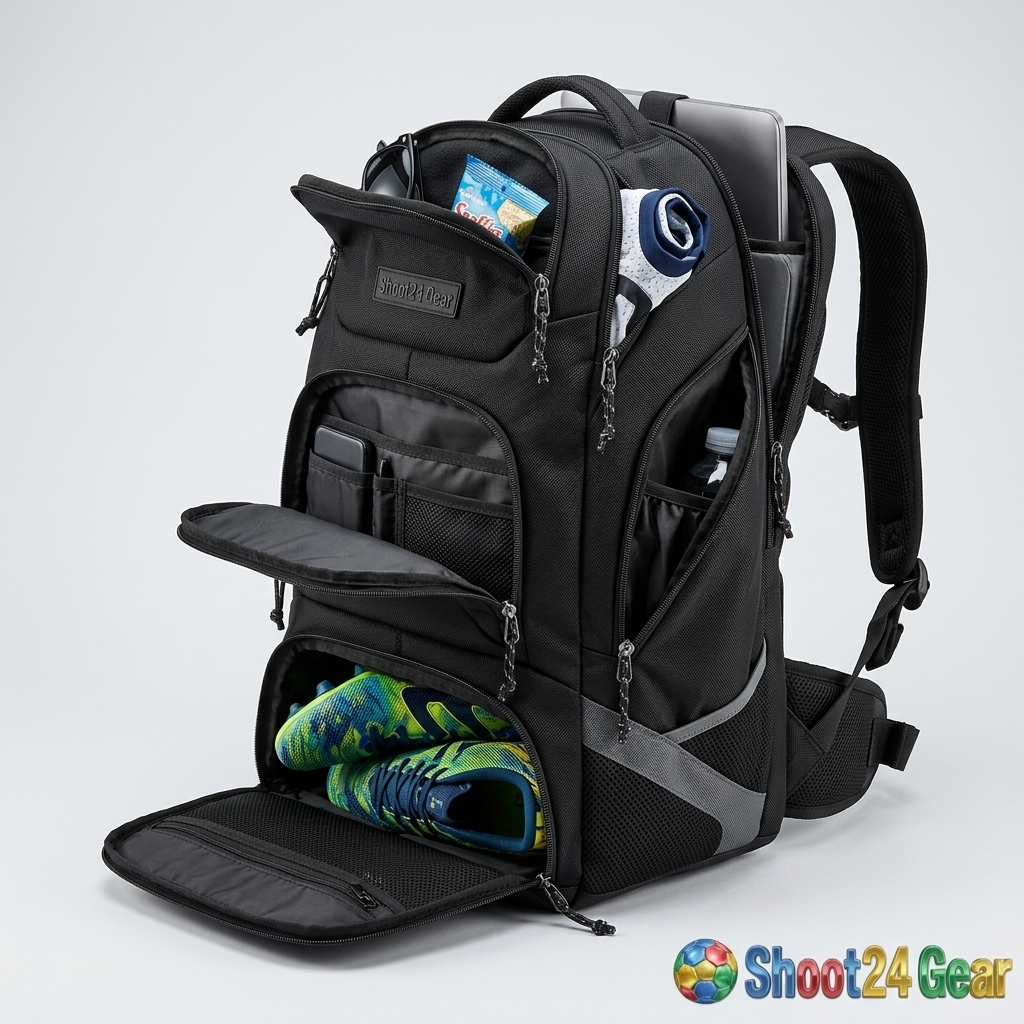
Football-specific backpacks provide the most practical carrying solution for individual players transporting equipment to training and matches. Dual-shoulder carrying distributes weight evenly across the back, leaving both hands free for additional items (water bottle, ball) or cycling and walking to training venues. Quality football backpacks feature dedicated boot compartments, ventilated sections for worn kit, and multiple organizational pockets that separate clean and dirty items effectively.
Football backpacks typically offer twenty-five to forty-five liter capacity — sufficient for a complete training kit including boots, shin guards, socks, shorts, shirt, base layer, water bottle, and personal items. Players who carry additional equipment (goalkeeper gloves, extra layers, recovery accessories) should select larger capacity options that accommodate their full equipment inventory without over-stuffing that stresses zippers and seams.
Duffel Bags
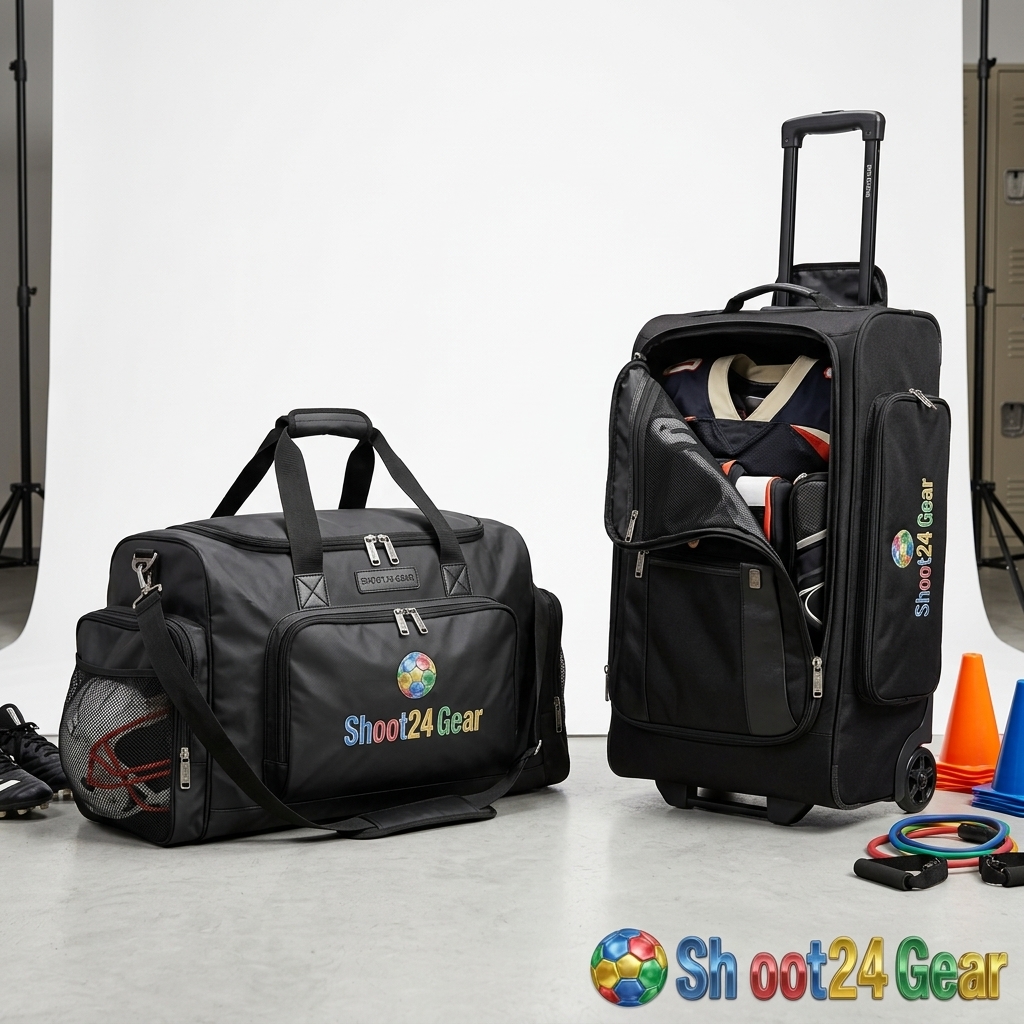
Duffel bags provide larger carrying capacity than backpacks with wide-opening main compartments that simplify packing and unpacking. The open-plan interior accommodates bulky items that structured backpack compartments may not fit — multiple pairs of boots, extensive clothing layers, or equipment for multi-session training days. Duffel bags typically include shoulder straps for carrying and end pockets for smaller item organization.
The primary limitation of duffel bags is their less structured organization compared to backpacks — the open main compartment requires packing discipline to maintain separation between clean kit, dirty kit, wet items, and valuables. Without dedicated compartments, items mix together during transport, potentially resulting in wet or dirty items contaminating clean equipment unless separate packing bags are used within the duffel.
Wheeled Bags
Wheeled bags suit players transporting heavy equipment loads over longer distances — particularly for away fixtures requiring overnight stays where additional clothing and personal items increase bag weight beyond comfortable carrying capacity. Wheeled bags combine the capacity of large duffel bags with the transportation convenience of rolling luggage, reducing the physical burden of carrying heavy kit bags through airports, train stations, and extended car park walks to away venues.
Boot Bags
Dedicated boot bags provide separate storage for football boots, keeping dirty or wet boots isolated from clean kit within the main bag. Boot bags ventilate to allow drying during transport, reduce odor contamination of other equipment, and protect boot surfaces from damage during transit. Most quality football backpacks and duffel bags include integrated boot compartments, but standalone boot bags provide additional isolation for players who prefer maximum separation between boots and other equipment items.
Compartment Design
Boot compartment: A dedicated, ventilated boot compartment is the single most important organizational feature in any football bag. Boot compartments separate dirty, potentially wet boots from clean clothing and personal items, preventing mud and moisture transfer that would otherwise contaminate clean equipment. Ventilation holes or mesh panels in the boot compartment allow air circulation that promotes boot drying during transport rather than trapping moisture that accelerates material degradation and bacterial growth.
Wet kit section: Waterproof-lined compartments for storing used, perspiration-wet training clothing prevent moisture from saturating the entire bag contents during post-training transport. This separation is particularly important when the bag contains electronics (phone, headphones), schoolwork (for youth players), or clean match-day kit that must remain dry and presentable throughout the journey home from training.
Valuables pocket: Secure, interior-positioned pockets for storing phone, wallet, keys, and other valuables provide protection from both theft and damage during transit. Fleece-lined valuables pockets prevent screen scratches on phones and watches. Zippered closure prevents items falling out during bag movement and handling throughout the journey between venues.
Water bottle pocket: External mesh or elastic pockets that accommodate standard water bottles provide easy access to hydration without opening the main bag compartment. External positioning prevents spill damage to bag contents if bottle caps loosen during transit. Side-mounted bottle pockets maintain bag balance when loaded.
Material Durability
Polyester construction: The most common football bag material — polyester provides adequate durability, weather resistance, and colorfastness at accessible pricing. Quality polyester bags withstand regular training use for multiple seasons before requiring replacement. Look for reinforced stitching at stress points (handles, strap attachments, zipper ends) where bag failure most commonly occurs through sustained loading stress.
Nylon construction: Nylon offers superior abrasion resistance and tear strength compared to polyester, providing enhanced durability for bags subjected to heavy use, rough handling, or challenging transport conditions. Nylon bags typically command higher pricing that reflects the material’s improved durability characteristics and longer functional lifespan under demanding use conditions.
Water resistance: Most quality football bags provide water-resistant construction that protects contents during light rain and damp conditions. Fully waterproof bags are available for players who frequently encounter heavy rain during transit or who store bags outdoors during training sessions in wet weather. Water-resistant zippers provide enhanced protection at the primary water entry point — standard zippers allow moisture penetration through the zipper teeth during sustained rain exposure.
Sizing Guide
Youth players: Smaller capacity bags (twenty to thirty liters) suit younger players carrying lighter, smaller equipment. Oversized bags create awkward carrying for smaller bodies and encourage over-packing that adds unnecessary weight. Ensure bag dimensions are proportionate to the player’s body size for comfortable carrying during walking and cycling commutes to training.
Adult recreational players: Medium capacity bags (thirty to forty liters) accommodate complete training kit with moderate additional capacity for extra layers and personal items. This size range suits players attending regular training sessions and weekly matches without extensive overnight travel requirements.
Competitive and semi-professional players: Larger capacity bags (forty to fifty-five liters) accommodate extensive equipment inventories including multiple boot options, comprehensive clothing layers for varied weather conditions, recovery equipment, and personal items for match-day or away-fixture travel. Players at higher competitive levels typically carry more equipment than recreational players and benefit from the additional capacity and organization features that larger bags provide.
Team Bag Solutions
Uniform team bags: Many clubs provide standardized team bags that create professional, unified team appearance during arrival at match venues and training facilities. Team bags typically feature embroidered or printed club logos, consistent color schemes matching team branding, and standardized design that facilitates equipment management across the squad.
Equipment manager bags: Large-capacity wheeled bags or equipment holdalls designed for coaches and equipment managers who transport team equipment — training balls, cones, bibs, first aid supplies, and tactical boards — that individual player bags do not accommodate. Equipment manager bags prioritize maximum capacity and organizational compartments over personal kit storage features.
Boot Care During Transport
Proper boot storage during transport extends boot lifespan and maintains boot performance quality between training sessions and matches. Remove excess mud from boots before placing them in boot compartments to prevent dried mud from scratching and abrading boot surfaces during transit vibration. Use boot trees or newspaper stuffing to maintain boot shape during transport, preventing creasing and deformation that occurs when empty boots are compressed within loaded bags.
Allow boots to dry naturally before sealing them in bag compartments — storing wet boots in enclosed, unventilated spaces promotes bacterial growth, accelerates material degradation, and creates persistent odor that permeates the entire bag. If boots cannot dry fully before packing, use the ventilated boot compartment and partially open the ventilation panels to promote continued air circulation during transport and storage.
Youth Player Considerations
School-to-training transition: Youth players frequently travel directly from school to training, requiring bags that accommodate both school materials and football equipment. Dual-purpose bags or separate lightweight kit bags that attach to school backpacks provide practical solutions for young players managing both academic and athletic equipment throughout school days that include after-school football training commitments.
Parental guidance: Encourage young players to develop systematic packing habits — consistent equipment checklists prevent forgotten items that disrupt training participation. Labeling all equipment and bag compartments helps younger players maintain organization and ensures lost items can be returned when found at training venues or changing rooms.
Care and Maintenance
Regular cleaning: Empty and air out football bags after every training session to prevent moisture accumulation and odor development. Wipe interior surfaces with damp cloth and mild detergent to remove sweat residue and prevent bacterial colonization. Machine washing is possible for many polyester bags on gentle cycles — check manufacturer care labels before washing to confirm suitability.
Zipper maintenance: Apply zipper lubricant periodically to maintain smooth zipper operation that prevents the forced zipper use that causes zipper failure — the most common bag failure point. Keep zipper teeth free from debris that can jam the zipper mechanism and lead to tooth damage or slider failure.
Storage: Store bags empty and open when not in use to allow thorough air circulation that prevents musty odor development in enclosed bag interiors. Avoid compressing bags under heavy items that deform structural elements and stress stitching during extended storage periods between competitive seasons.
Travel Bag Considerations
Airline compatibility: Players who travel by air to away fixtures or tournaments should verify that their bag dimensions comply with airline carry-on or checked baggage size restrictions. Oversized football bags may incur additional baggage fees or require checked luggage processing that increases the risk of lost or delayed equipment. Compact backpack designs that comply with standard carry-on dimensions ensure equipment remains with the player throughout air travel without additional cost or delay risk.
Multi-day travel: Away fixtures requiring overnight stays demand bags with sufficient capacity for match-day kit, training kit, casual clothing, toiletries, and personal items. Wheeled bags or large duffel bags with organizational compartments prevent the chaotic mixing of clean and used items that occurs when multi-day travel equipment shares unstructured storage space. Packing cubes within larger bags provide additional organization that maintains item separation throughout multi-day trips.
Tournament bags: Multi-day tournament participation creates the most demanding bag requirements — multiple match kits, training equipment, casual wear, and personal items for extended periods away from home. Larger wheeled bags or separate match-day and daily bags provide the capacity and organization that tournament logistics demand without compromising item accessibility throughout the tournament schedule.
Security Features
Lockable zippers: Bags with lockable zipper pulls provide basic security for valuables stored during training sessions and matches when bags are left unattended in changing rooms or sideline areas. While not providing theft-proof security, locked zippers deter opportunistic access to bag contents and provide peace of mind during training sessions where bags remain accessible to anyone in the facility.
RFID-blocking pockets: Some premium bags include RFID-blocking pockets that protect contactless bank cards and electronic access cards from unauthorized scanning. While primarily a concern for travelers in crowded urban environments, RFID protection provides additional security for players carrying contactless payment cards and facility access passes within their football bags.
Environmental Considerations
Bag manufacturers are increasingly incorporating sustainability into football bag production — recycled polyester from post-consumer plastic bottles, reduced-waste manufacturing processes, and durable construction that extends product lifespan represent growing priorities within the sports equipment industry. Environmentally conscious purchasing decisions can consider manufacturer sustainability commitments alongside primary performance, durability, and value criteria.
The most impactful environmental choice in bag selection is durability — a well-constructed bag lasting five or more seasons produces significantly less environmental impact than budget alternatives requiring annual replacement. Investing in quality construction that provides extended functional lifespan represents both practical value and environmental responsibility through reduced consumption and waste generation over multi-season use periods.
Budget Planning
Entry level: Basic polyester backpacks and duffel bags provide fundamental equipment storage at accessible pricing. Entry-level bags suit recreational players and young players who will outgrow bags or transition to different sizes as their equipment inventory grows. Expect adequate but limited organizational features and moderate durability at this price tier.
Mid-range: Quality polyester or nylon bags with dedicated boot compartments, wet kit separation, and reinforced construction provide the optimal value combination for competitive amateur footballers. Mid-range bags offer genuine organizational benefits and multi-season durability that justify their moderate price premium over entry-level alternatives.
Premium: High-quality nylon construction with comprehensive compartmentalization, weather protection, comfort carrying systems, and premium hardware provides the best available bag experience for serious competitive players. Premium bags represent multi-year investments that provide reliable service across numerous competitive seasons when maintained properly through regular care and appropriate use within their design parameters.
Common Bag Mistakes
Overpacking: Stuffing bags beyond their intended capacity stresses zippers, seams, and carrying systems, accelerating structural failure. Pack only equipment genuinely needed for each specific session rather than carrying comprehensive equipment inventories to every training session regardless of actual requirements.
Ignoring wet kit separation: Storing perspiration-wet training clothing alongside clean equipment and personal items creates cross-contamination that damages electronics, stains clean clothing, and creates persistent odor throughout the entire bag. Always utilize wet kit compartments or separate waterproof bags within the main bag to isolate used equipment from clean items during post-training transport.
Neglecting maintenance: Failing to empty, air, and clean bags regularly allows moisture, bacteria, and odor to accumulate progressively until the bag becomes unpleasant to use and potentially unsanitary. Simple post-session airing and periodic cleaning maintain bag hygiene and freshness throughout the competitive season and extend overall bag lifespan meaningfully.
Bag Accessories
Packing cubes: Lightweight fabric organizers that compartmentalize clothing and equipment within open-plan duffel bags. Packing cubes provide the organizational structure that duffel bags inherently lack, enabling systematic item separation without requiring structured bag compartments.
Waterproof pouches: Sealable waterproof bags for protecting electronics, documents, and valuables from moisture within the main bag. Essential for players who train in wet conditions or who carry sensitive items requiring absolute moisture protection throughout transport in all weather conditions.
Summary
Football bags and backpacks provide essential equipment organization and transportation that directly affects training preparation efficiency and equipment longevity. Select bag types based on your specific carrying needs — backpacks for convenient daily training transport, duffel bags for larger capacity requirements, and wheeled bags for heavy loads during away fixture travel.
Prioritize bags with dedicated boot compartments, wet kit separation, and durable construction that withstands the regular use demands of competitive football seasons. Invest in quality construction that provides multiple seasons of reliable service rather than budget options that require frequent replacement through premature wear and failure.