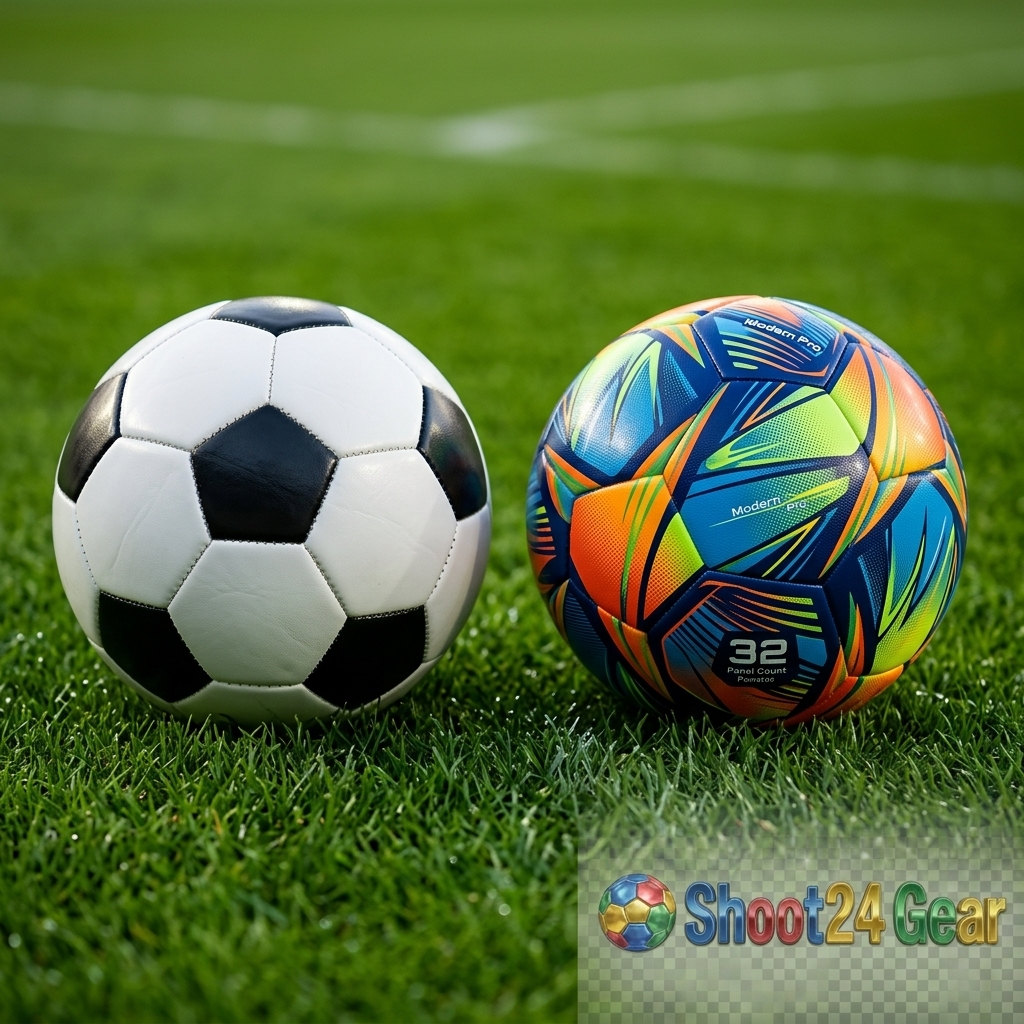
The Adidas Tiro and Nike Strike represent the two most popular training footballs from the world’s leading sportswear manufacturers — occupying the mid-range price point that balances genuine performance quality with accessible pricing for clubs, teams, and individual players who need reliable training balls without the premium cost of official match-specification footballs. Both balls serve the same fundamental purpose — providing consistent, durable football performance for regular training use — but approach that objective through different design philosophies, construction methods, and material technologies that create meaningful and measurable performance differences well worth understanding thoroughly before making an informed purchasing decision.
This comprehensive comparison examines the Adidas Tiro and Nike Strike across every performance dimension relevant to training football selection — construction quality and panel design, flight characteristics and aerodynamic performance, touch and control feel, durability and material resilience, surface suitability across different playing environments, size availability, and overall value assessment that helps players, coaches, and clubs make informed decisions about which training football best suits their specific requirements and usage conditions.
Construction and Panel Design
Adidas Tiro Construction
The Adidas Tiro uses machine-stitched construction with a traditional panel layout that provides reliable structural integrity for sustained training use. Machine stitching creates consistent seam quality across production batches, ensuring predictable performance characteristics from ball to ball within the same product line. The Tiro’s panel configuration follows Adidas’s established training ball design philosophy — prioritizing durability and consistent shape retention over the thermally-bonded seamless designs used in premium match balls like the Adidas Al Rihla or Adidas Brazuca match specifications.
The outer casing uses durable TPU (thermoplastic polyurethane) material that resists abrasion, maintains consistent surface texture through extended use, and provides weather resistance that sustains performance quality across wet and dry training conditions. The TPU surface provides a balanced touch that is neither excessively soft nor overly hard — appropriate for the widely varied contact situations that comprehensive training sessions involve throughout all phases of practice.
Nike Strike Construction
The Nike Strike utilizes Nike’s proprietary panel design that reduces the number of panels compared to traditional football construction, creating fewer seams and a more aerodynamically consistent surface profile. This reduced-panel approach improves flight stability and produces a more predictable trajectory during both ground passes and aerial delivery — characteristics that benefit training quality by providing more consistent ball behavior for skill development.
Nike employs a reinforced rubber bladder with consistent air pressure retention that maintains ball shape and bounce characteristics across extended training periods between inflation adjustments. The Strike’s outer material uses textured TPU with Nike’s Aerowsculpt technology adaptation that creates micro-texture across the ball surface, enhancing grip and control during wet conditions compared to smooth-surface alternatives.
Flight Characteristics
Adidas Tiro flight: The Tiro produces stable, predictable flight characteristics appropriate for training environments where consistent ball behavior supports skill development. The machine-stitched seam profile creates slight aerodynamic texture that stabilizes flight at moderate speeds. At high speeds during driven shots and long passes, the seam texture introduces minor flight variation compared to seamless match balls — a characteristic common to all machine-stitched footballs that is acceptable for training purposes but noticeable to experienced players accustomed to thermally-bonded match ball precision.
Nike Strike flight: The Strike’s reduced panel count and fewer seam lines produce slightly more consistent aerodynamic performance than traditionally constructed training balls. The cleaner surface profile creates more predictable flight at all speeds, particularly during driven shots and long-range passing where aerodynamic consistency most significantly affects ball trajectory and destination accuracy. This improved flight consistency represents one of the Strike’s primary performance advantages over traditional-construction alternatives.
Touch and Control
Adidas Tiro touch: The Tiro provides a firm, responsive touch that transmits clear tactile feedback to the foot during contact. This firmness provides accurate passing with minimal energy loss — driven passes and shots travel with predictable pace and trajectory because the ball surface does not absorb excessive contact energy. Some players prefer softer touch characteristics for close control and first touch situations, where the Tiro’s distinctive firmness can feel noticeably less forgiving than softer-surfaced alternatives during close control training.
Nike Strike touch: The Strike offers slightly softer touch characteristics compared to the Tiro, with the surface texture providing enhanced grip during close control situations. This marginally softer feel provides more comfortable first touch reception and improved ball adhesion during close-control dribbling. The touch difference between the two balls is subtle but clearly noticeable to experienced players comparing the two balls directly during technical exercises and drills.
Durability Assessment
Adidas Tiro durability: The Tiro demonstrates strong durability across sustained training use — the TPU outer surface resists abrasion effectively, maintaining surface texture and visual appearance through months of regular training across varied surfaces. Machine-stitched seams withstand repeated impact without separation or degradation. The Tiro’s durability reputation is well-established across years of training football production, making it a reliable choice for clubs prioritizing equipment longevity alongside performance adequacy.
Nike Strike durability: The Strike provides comparable overall durability to the Tiro, with the TPU outer material maintaining structural integrity through extended training schedules. The reduced panel construction creates fewer potential failure points (fewer seams means fewer locations where structural degradation can begin), which may provide marginal durability advantage over higher-panel-count alternatives in long-term sustained use scenarios. Both balls demonstrate the durability appropriate for training-grade footballs from premium manufacturers.
Surface Suitability
Natural grass: Both the Tiro and Strike perform optimally on natural grass surfaces — their primary intended playing environment. Touch, bounce, and flight characteristics are calibrated for grass surface interaction, providing predictable and consistently reliable performance across well-maintained natural turf training pitches throughout the entire competitive season.
Artificial turf: Both balls function adequately on artificial turf but experience accelerated surface wear compared to natural grass use. The abrasive texture of artificial turf surfaces degrades TPU outer materials faster than natural grass, reducing the cosmetic appearance and surface texture quality of both balls over time. For training primarily conducted on artificial surfaces, consider purchasing additional balls to rotate usage and extend the overall equipment lifespan across the training ball inventory.
Hard surfaces: Neither the Tiro nor Strike are designed for hard surface use (concrete, tarmac, indoor hard courts). Extended hard-surface use rapidly degrades the outer casing of both balls and is not recommended for maintaining training ball quality and performance longevity.
Size Availability
Both the Adidas Tiro and Nike Strike are available in standard football sizes — Size 3 (under-8s), Size 4 (under-14s), and Size 5 (adult competition standard). Both manufacturers maintain consistent construction quality across all size options, ensuring that younger age groups receive the same material and build quality as adult-specification balls within each product line.
Wet Weather Performance
Adidas Tiro wet performance: The Tiro’s smooth TPU surface performs adequately in wet conditions but may develop a slightly slippery feel during heavy rain as water accumulates on the ball surface. Machine-stitched seams can absorb minor amounts of moisture during prolonged wet-weather training, which may slightly increase ball weight over extended wet-weather sessions. These wet-weather effects are minor and consistent with training-grade football performance in rain conditions.
Nike Strike wet performance: The Strike’s textured surface provides marginally better wet-weather grip than smooth-surface alternatives. The micro-texture pattern helps maintain surface friction when wet, providing more consistent touch and control feel during rainy training sessions. This wet-weather advantage, while subtle, provides practical benefit for teams training regularly in wet climate conditions where rain-affected training is a frequent occurrence throughout the competitive season.
Air Retention
Both balls use butyl rubber bladders that provide reliable air pressure retention across training periods. Regular inflation checks before each training session — using a standard ball pressure gauge — ensure both balls maintain the specified pressure range that produces optimal performance characteristics. Neither the Tiro nor Strike demonstrates significantly superior or inferior air retention compared to the other in controlled testing — both reliably maintain acceptable pressure across typical training intervals between inflation adjustments.
Value Assessment
Adidas Tiro value: The Tiro typically occupies a slightly lower price point than the Strike, providing strong value for clubs and programs purchasing training balls in quantity. The combination of reliable performance, established durability, and competitive pricing makes the Tiro a practical choice for budget-conscious equipment purchasing where maximizing ball quantity within a fixed budget is the primary consideration alongside adequate performance quality.
Nike Strike value: The Strike commands a slightly higher price point that reflects the improved aerodynamic panel design and surface texture technology. For programs prioritizing training ball performance quality — particularly flight consistency and wet-weather control — the Strike’s modest price premium provides measurable performance advantages that justify the additional investment for coaches and programs focused on maximizing training quality through equipment selection.
Training Ball Maintenance
Inflation management: Maintain both balls within the manufacturer-specified pressure range — typically eight to ten PSI for adult Size 5 footballs. Over-inflation stresses seams and panel materials, reducing structural lifespan. Under-inflation produces inconsistent bounce, altered flight characteristics, and excessive panel deformation during contact that compromises training quality and can create poor technical habits in developing players.
Cleaning: Wipe both balls with damp cloth after each training session to remove mud, grass, and debris that can degrade surface materials over time. Allow balls to dry naturally at room temperature rather than using direct heat sources that can damage TPU outer surfaces and bladder materials. Store training balls at room temperature, avoiding extreme heat and cold that can affect bladder pressure and material flexibility.
Storage: Store training balls deflated or at reduced pressure during extended periods of non-use (off-season, holiday breaks) to reduce stress on seams and bladder material. Partially deflated storage extends overall ball lifespan by minimizing the constant internal pressure stress that sustained full inflation creates on panel joints and bladder walls throughout storage periods.
Purchasing Recommendations
Choose the Adidas Tiro if: Budget optimization is a primary concern, you need reliable performance without premium pricing, your training surfaces are predominantly natural grass, or you are purchasing training balls in large quantities where per-unit cost directly affects the total balls available for training use across the full squad.
Choose the Nike Strike if: Flight consistency and surface texture quality are priorities, your training frequently occurs in wet weather conditions, you prefer the marginally softer touch characteristics for technical training emphasis, or your budget accommodates the modest price premium for improved aerodynamic performance and surface technology.
For clubs purchasing in bulk: Consider purchasing a mix of both brands to provide variety within the training ball inventory and enable direct player comparison that helps individuals identify their preferred ball characteristics for personal purchase and home practice. Mixed-brand inventories also provide practical comparison data that informs future bulk purchasing decisions based on observed durability and performance across the club’s specific training conditions.
Team Quantity Guidelines
Youth teams: A minimum of ten training balls per squad ensures adequate ball availability for passing drills, shooting exercises, and small-sided games without excessive ball retrieval interruptions. Youth training sessions benefit from higher ball-to-player ratios because younger players spend more time on individual technical exercises that each require a dedicated ball.
Senior teams: Fifteen to twenty training balls per senior squad provides sufficient equipment for comprehensive training sessions including warm-up, technical drills, tactical exercises, and match-play simulations. Senior training sessions typically require more balls simultaneously — multiple training stations, game-realistic exercises with spare balls ready, and goalkeeper-specific drills that consume additional ball supply.
Replacement planning: Budget for replacing approximately thirty to forty percent of the training ball inventory annually. Regular training use degrades ball quality progressively — balls that remain functional but have degraded surface texture, reduced shape retention, or inconsistent air pressure should be rotated to secondary use (warm-up, fun games) and replaced with new balls for primary training activities where ball quality directly affects skill development quality.
Youth Development Considerations
Size selection: Ensure age-appropriate ball sizing across all youth training groups — Size 3 for under-8s, Size 4 for under-9s through under-14s, and Size 5 for under-15s and above. Using oversized balls with young players creates poor technical habits and reduces training enjoyment. Both the Tiro and Strike are available in all standard youth sizes with consistent construction quality across the size range.
Quality matters for development: Training ball quality directly influences technical development in youth players. Inconsistent, degraded, or inappropriate balls create unpredictable touch and control experiences that hinder the consistent repetition needed for skill acquisition. Investing in quality training balls from established manufacturers — rather than budget unbranded alternatives — provides the consistent ball behavior that supports systematic technical development throughout formative youth training years.
Indoor Training Alternatives
Neither the Adidas Tiro nor Nike Strike are designed specifically for indoor use. Both balls generate excessive bounce on hard indoor surfaces and produce impact noise that may be problematic in enclosed training environments. For indoor training sessions, consider purchasing dedicated indoor footballs or futsal balls that are specifically designed for hard-surface performance with reduced bounce characteristics and indoor-appropriate weight specifications that differ from outdoor training ball specifications.
Using outdoor training balls on indoor surfaces also accelerates surface wear significantly compared to their intended outdoor grass or turf environments. The most cost-effective and practical approach for clubs training both indoors and outdoors is maintaining entirely separate ball inventories for each environment rather than using a single ball type across both settings.
Environmental and Sustainability Considerations
Both Adidas and Nike have introduced sustainability initiatives within their football equipment product lines. Adidas has progressively incorporated recycled materials into Tiro construction, while Nike has implemented increasingly sustainable manufacturing processes and materials for the Strike range. While sustainability features do not directly affect on-pitch performance, environmentally conscious clubs and organizations may consider manufacturer sustainability commitments as a supplementary factor in purchasing decisions alongside primary performance and value criteria.
Extending training ball lifespan through proper inflation management, appropriate surface usage, regular cleaning, and correct storage practices contributes to reducing equipment waste regardless of manufacturer sustainability initiatives. The most environmentally responsible approach to training ball management combines quality product selection with diligent maintenance practices that maximize the useful lifespan of every ball purchased.
Summary
The Adidas Tiro and Nike Strike both deliver genuine training-quality performance appropriate for regular football training across all age groups and competitive levels. The Tiro provides strong value at a competitive price point with established durability, while the Strike offers improved aerodynamic performance and surface texture technology at a modest price premium. Neither ball represents a poor choice — selection should be guided by budget priorities, surface conditions, and training emphasis rather than fundamental quality concerns, as both established manufacturers consistently deliver reliable training football quality within their respective mid-range product lines that serve the global football training market effectively.
Ball specifications, construction designs, material technologies, and retail pricing change between product seasons and regional markets. Always verify current specifications, available colorways, and pricing on official Adidas and Nike websites or authorized sporting goods retailers before making final purchasing decisions for individual or team training ball requirements.