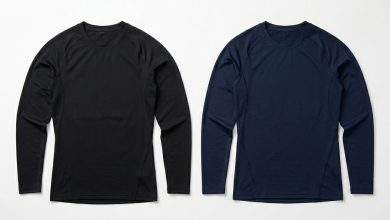
Adidas Climacool represents Adidas’s active cooling technology — an engineered ventilation system designed to manage body temperature during athletic activity through strategic airflow management rather than relying solely on fabric moisture wicking. While AEROREADY handles moisture management as Adidas’s primary sweat-wicking technology, Climacool addresses the complementary challenge of heat management through ventilation zones, mesh panels, and fabric constructions that actively promote airflow across the skin surface during athletic movement.
This comprehensive and detailed guide examines how Climacool technology works at the fabric and construction level, how it differs from and complements AEROREADY, where Climacool is applied across Adidas’s football apparel range, and the important practical implications of Climacool technology for footballers selecting training and match apparel for warm weather and high-intensity use conditions where effective body temperature management directly impacts playing performance and training comfort.
How Climacool Works
Climacool’s approach to thermal management differs fundamentally from moisture-wicking technologies. Rather than focusing exclusively on transporting sweat through fabric, Climacool engineers the garment’s structure to promote active air circulation across the skin surface, accelerating both evaporative cooling and convective heat removal.
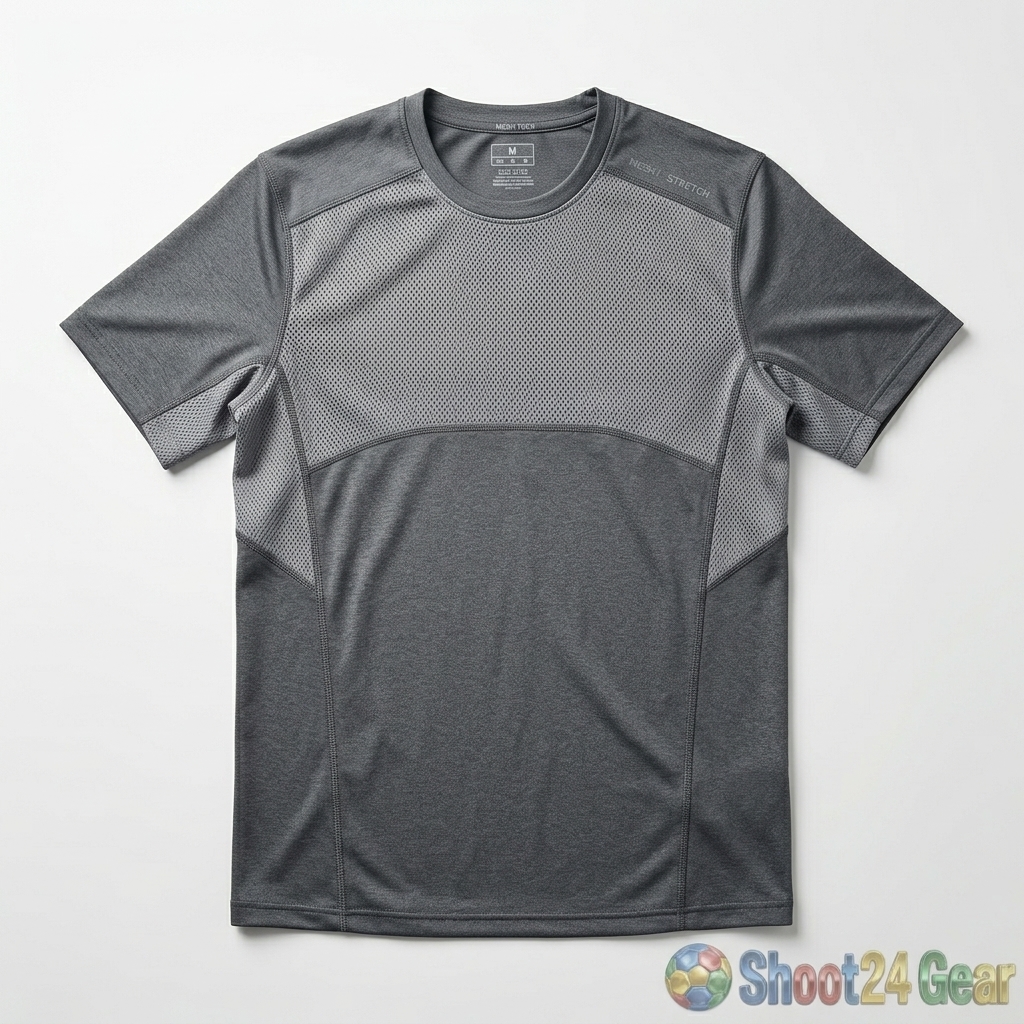
Ventilation zones: Climacool garments incorporate strategically placed mesh panels and open-knit zones in areas of highest heat generation — the upper back, underarms, and chest. These ventilation zones allow ambient air to reach the skin surface directly, bypassing the fabric barrier that standard construction creates. During movement, the pumping action of athletic activity pushes warm, humid air out through these ventilation zones and draws cooler ambient air in, creating active airflow that accelerates cooling.
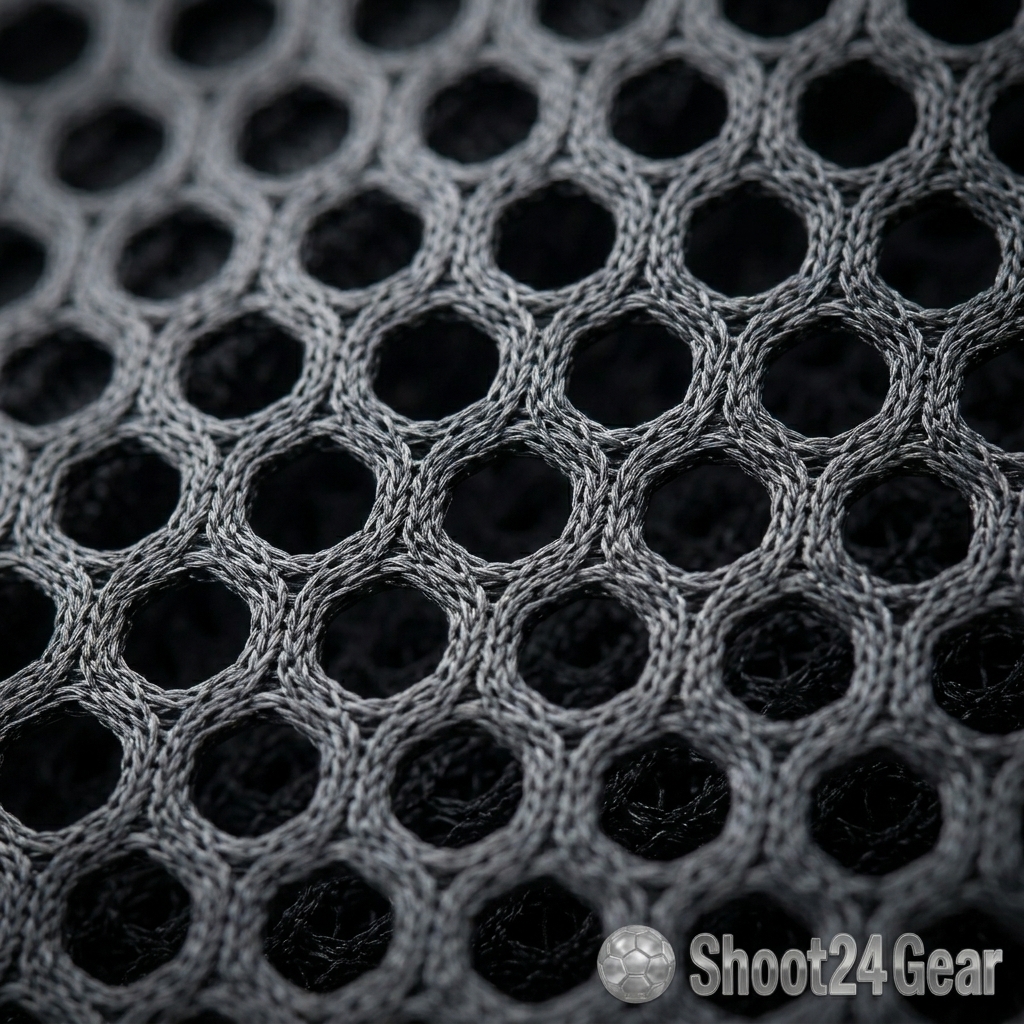
Engineered mesh construction: The mesh panels used in Climacool garments are specifically engineered for airflow optimization rather than simply being lighter-weight versions of standard fabric. The mesh aperture size, pattern, and density are calibrated to maximize airflow while maintaining adequate structural integrity, UV protection, and wearing comfort. This careful engineering clearly differentiates Climacool mesh from generic mesh construction found in budget alternatives that may provide less optimized airflow patterns or compromise important structural properties and garment durability.
360-degree ventilation: Advanced Climacool garments use ventilation across the entire garment circumference rather than limiting mesh panels to specific zones. This comprehensive ventilation approach ensures cooling occurs uniformly rather than creating hot spots in areas positioned between the ventilation zones. For football use specifically, this uniform cooling approach helps effectively manage the highly variable heat generation that occurs across different body areas as different muscle groups engage during the diverse training activities and drills that football sessions involve.
Climacool vs AEROREADY
Understanding the relationship between Climacool and AEROREADY helps footballers select the appropriate technology for their specific conditions and activity levels.
AEROREADY is Adidas’s moisture management technology — their equivalent to Nike Dri-FIT. AEROREADY manages sweat by wicking moisture from the skin through the fabric to the exterior surface for evaporation. AEROREADY is applied broadly across Adidas’s football range, including the Tiro collection, and provides effective and reliable moisture management across all temperature conditions and activity levels.
Climacool specifically addresses heat management through active ventilation, providing the greatest benefit in warm weather conditions where ambient temperature compounds the body heat generated during activity. Climacool garments typically also incorporate AEROREADY’s moisture-wicking capability in their fabric construction, meaning Climacool products provide both active cooling and moisture management simultaneously.
For football in moderate to cool temperatures, AEROREADY alone provides adequate moisture and temperature management. For football in warm temperatures (above 20آ°C) or for players who run particularly hot during activity, Climacool’s active ventilation provides additional cooling capacity beyond what moisture wicking alone can deliver.
Application in Football Apparel
Training tops: Climacool training tops provide the most pronounced cooling benefit during football training, where sustained activity generates significant heat. The ventilation zones in training tops are positioned to maximize cooling during football-specific movements — running, turning, reaching, and the full-body athletic movements that training involves.
Match jerseys: Professional and team match jerseys with Climacool technology provide cooling during competitive matches where sustained high-intensity activity creates maximum heat stress. The ventilation engineering in these match jerseys is specifically calibrated for the full ninety-minute match duration, providing consistent and sustained cooling throughout the entire match rather than diminishing as standard fabrics become saturated with sweat.
Shorts: Climacool shorts use mesh panels along the inner thigh and rear panels to promote airflow around the lower body. These ventilation zones address the significant heat generation that occurs in the thigh and groin area during running, which standard football shorts with non-ventilated construction manage noticeably less effectively in warm weather conditions.
Temperature-Based Selection
Below 15آ°C: Climacool’s active ventilation is generally unnecessary in cooler conditions where body heat management is not a primary concern. Standard AEROREADY products provide adequate moisture management without the additional cooling that ventilation zones create. In cold conditions, Climacool’s ventilation zones may actually cause unwanted cooling, making thermal apparel more appropriate.
15-25آ°C: This transitional range is where Climacool begins providing noticeable benefit during sustained activity. Footballers who generate significant body heat during intensive training will appreciate the additional cooling that Climacool provides beyond standard moisture wicking in this temperature range.
Above 25آ°C: Warm weather conditions are where Climacool technology delivers maximum value. The active ventilation provides meaningful cooling that standard fabrics cannot match, helping footballers maintain comfortable body temperature during training sessions where heat stress is a genuine and measurable performance concern for all players.
Fit and Design
Climacool garments follow Adidas’s standard sizing and fit profiles. The mesh ventilation zones do not affect the garment’s fit characteristics — a Climacool medium provides the same overall dimensions as a standard AEROREADY medium in the same product range and tier.
The mesh panels may affect modesty considerations for some wearers. Ventilation zones in lighter colorways can be more transparent than solid fabric, potentially showing base layer garments beneath. For wearers who prefer opacity across the entire garment, selecting darker colorways reduces the visibility through mesh panels, or wearing a thin base layer beneath provides additional coverage while still allowing the ventilation benefit.
Care Requirements
Climacool garments require the same care as standard Adidas performance apparel, with additional attention to the mesh construction that provides ventilation.
Machine wash cold on a gentle cycle with mild detergent. Avoid bleach and fabric softeners that can damage the mesh structure and block airflow through the ventilation zones. The mesh panels in Climacool garments are more susceptible to snagging than solid fabric — wash inside-out and avoid washing with garments that have Velcro closures, zippers, or rough surfaces that can catch and tear mesh construction.
Air dry Climacool garments. The mesh construction dries faster than solid fabric, so air drying is typically quicker for Climacool products than for standard garments. Avoid high-heat tumble drying, which can distort the mesh apertures and reduce their ventilation effectiveness over the garment’s lifespan.
Comparison with Competing Cooling Technologies
vs Nike Dri-FIT ADV: Dri-FIT ADV uses zonal knit patterns for targeted ventilation, similar in concept to Climacool’s approach. Both technologies provide comparable active cooling for football use. The choice between Climacool and Dri-FIT ADV properly depends on overall brand preference, specific garment design aesthetics, and individual fit preference rather than any meaningful technology performance differences between the two systems.
vs Puma dryCELL: dryCELL focuses primarily on moisture management rather than active ventilation. In warm weather conditions where Climacool excels, dryCELL products may provide less effective cooling because they rely on moisture evaporation alone without the active airflow management that Climacool’s ventilation zones provide.
vs Under Armour HeatGear: HeatGear provides excellent moisture management for warm weather use but uses a close-fitting compression approach rather than Climacool’s ventilation-zone approach. For footballers who prefer loose or standard fit over compression, Climacool offers an effective cooling alternative that does not require body-hugging compression construction to be effective at managing body temperature during warm weather football activity.
Common Misconceptions
“Climacool replaces AEROREADY”: Climacool and AEROREADY serve different functions — ventilation and moisture management respectively. Climacool products typically incorporate both technologies simultaneously, but choosing Climacool does not mean abandoning any of AEROREADY’s benefits.
“Climacool is only for hot weather”: While Climacool provides the most dramatic benefit in warm conditions, its moisture management and airflow benefits improve comfort in moderate temperatures as well, particularly during high-intensity training sessions that generate significant body heat regardless of ambient temperature.
“Mesh panels compromise durability”: Climacool’s engineered mesh is designed for athletic use and withstands normal football training demands. The mesh panels are reinforced at stress points and use durable synthetic construction that resists wear. Standard football training use does not meaningfully compromise Climacool garment longevity compared to equivalent solid-construction products from the same quality tier.
Budget Considerations
Climacool products are typically positioned at a modest premium over equivalent AEROREADY products due to the additional engineering in ventilation zone construction. This premium is generally modest — often less than fifteen percent above AEROREADY equivalents — and is justified for footballers who train regularly in warm conditions where active cooling provides meaningful comfort benefits.
For budget-conscious purchasing, invest in Climacool for your primary training top — the garment that provides the most direct skin cooling during the highest-intensity training activities. Standard AEROREADY products can serve for training pants, jackets, and secondary apparel where the Climacool premium provides less dramatic benefit than in the primary training layer.
Sustainability
Current Adidas Climacool production incorporates recycled polyester materials as part of Adidas’s broader sustainability commitments. The recycled content in Climacool garments meets the same performance specifications as virgin polyester — the ventilation effectiveness and moisture management properties are identical regardless of the polyester source. Adidas’s Primegreen and Primeblue material initiatives extend to Climacool products, using recycled content including ocean-sourced plastic waste processed into performance-grade fibers.
For clubs and individuals where sustainability influences purchasing decisions, Climacool products with recycled content provide active cooling technology with reduced environmental impact compared to virgin-material alternatives. The strong sustainability credentials add meaningful value beyond the core performance benefits for environmentally conscious purchasers and organizations that prioritize environmental responsibility in their procurement decisions.
Team Ordering with Climacool
Clubs ordering team apparel should consider whether Climacool technology is appropriate for their specific training environment and climate conditions before committing to Climacool products across the entire team order.
Climate-appropriate selection: Teams training predominantly in warm weather climates benefit most from Climacool team apparel. Teams in cooler climates may find standard AEROREADY products more appropriate for the majority of their training season, with Climacool reserved for individual purchase during warm weather periods.
Customization compatibility: Climacool garments with mesh ventilation panels require careful badge and printing placement to avoid positioning customization over mesh zones. Embroidery through mesh panels can damage the mesh structure and reduce ventilation effectiveness. Work with your customization supplier to ensure badge placement falls on solid fabric panels rather than ventilation zones.
Colorway consistency: Climacool products may have slightly different visual appearance than equivalent AEROREADY products in the same colorway due to the mesh panel texture differences. When ordering team apparel, ensure all squad members receive the same product specification to maintain visual consistency — mixing Climacool and standard AEROREADY products within the same team creates noticeable visual inconsistency.
Position-Specific Considerations
Goalkeepers: Climacool technology is less relevant for goalkeepers whose activity pattern involves extended stationary periods between bursts of activity. Goalkeepers may find the ventilation zones create unwanted cooling during quiet periods, making standard AEROREADY or even thermal products more appropriate for goalkeeper-specific training and match use.
Central midfielders: Players who cover the most ground during training and matches experience the highest sustained heat generation. Central midfielders represent the ideal target user for Climacool technology — their continuous running creates sustained heat that benefits most from active ventilation cooling throughout the session or match duration.
Defenders and forwards: Players in positions that alternate between high-intensity sprints and moderate-intensity periods benefit from Climacool during the sprint phases while finding adequate cooling during recovery periods through standard fabric properties. Climacool provides genuine benefit for these positions during warm weather training and matches but may be less essential and less noticeable than for the high-coverage central midfield positions that generate the most sustained heat.
Common Mistakes with Climacool
Wearing Climacool in cold conditions: The active ventilation that makes Climacool effective in warm weather creates unwanted cooling in cold conditions. Wearing Climacool garments during winter training sessions is counterproductive — the ventilation zones allow cold air to reach the skin directly, defeating the purpose of warm training layers. Select cold weather specific apparel for winter use.
Layering jackets over Climacool without considering airflow: Wearing a windproof jacket over a Climacool training top blocks the airflow that the ventilation zones require to provide cooling. If conditions require a jacket, the Climacool benefit beneath is largely negated. Either wear the Climacool top without a jacket to utilize its cooling properties, or switch to a standard training top beneath the jacket when outerwear is required.
Expecting dramatic cooling in humid conditions: Climacool’s cooling effectiveness depends partly on evaporative cooling, which is reduced in high-humidity environments. In humid tropical conditions, Climacool still provides meaningful airflow benefit but the overall cooling effect is less dramatic than in dry heat conditions where evaporation occurs more readily from the ventilated fabric surfaces.
Layering with Climacool
Climacool garments function best as the outermost training layer — the position where their ventilation zones can interact with ambient air to provide maximum cooling effect. Wearing additional layers over Climacool reduces or eliminates the ventilation benefit.
For warm weather training, wear a thin compression base layer beneath Climacool for moisture management at the skin level, with the Climacool top providing ventilation and cooling as the outer layer. This proven two-layer approach combines compression benefits with active cooling effectively and efficiently without compromising either technology’s specific function or performance.
For transitional weather, consider whether the cooling from Climacool ventilation creates excessive chilling. If ambient temperature requires layering for warmth, standard AEROREADY products provide better thermal retention than Climacool equivalents that intentionally promote airflow and heat dissipation rather than heat retention.
Summary
Adidas Climacool technology provides active ventilation-based cooling that complements AEROREADY’s moisture management for enhanced thermal comfort during warm weather football. The strategic mesh panels and engineered ventilation zones promote airflow that accelerates both evaporative cooling and convective heat removal, providing meaningful and noticeable temperature management benefit that goes significantly beyond what moisture wicking alone can deliver in warm weather conditions.
Select Climacool strategically for your primary training garments when regular training predominantly occurs in warm weather conditions. For moderate and cool weather use, standard AEROREADY products provide entirely adequate moisture and temperature management without the ventilation-specific engineering of Climacool garments that would create unnecessary cooling in lower temperatures.
Product ranges, Climacool specifications, available garment options, and specific ventilation engineering details all change between seasons and product generations as Adidas continues developing their cooling technology and expanding its application across the football apparel range. Always verify current Climacool offerings, specifications, pricing, and size availability on the official Adidas website or through authorized retail partners before making any purchasing decisions for your individual or team football training apparel requirements.