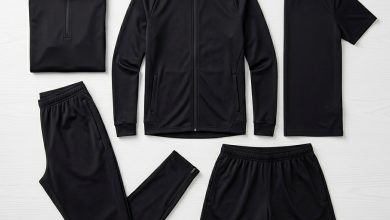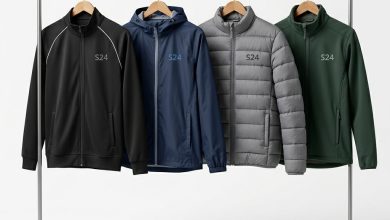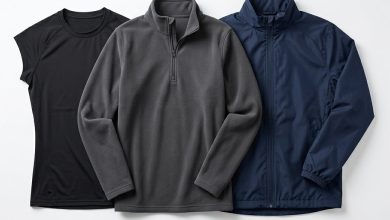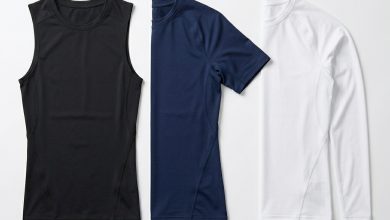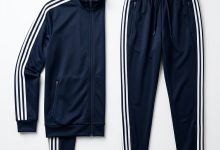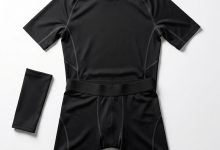
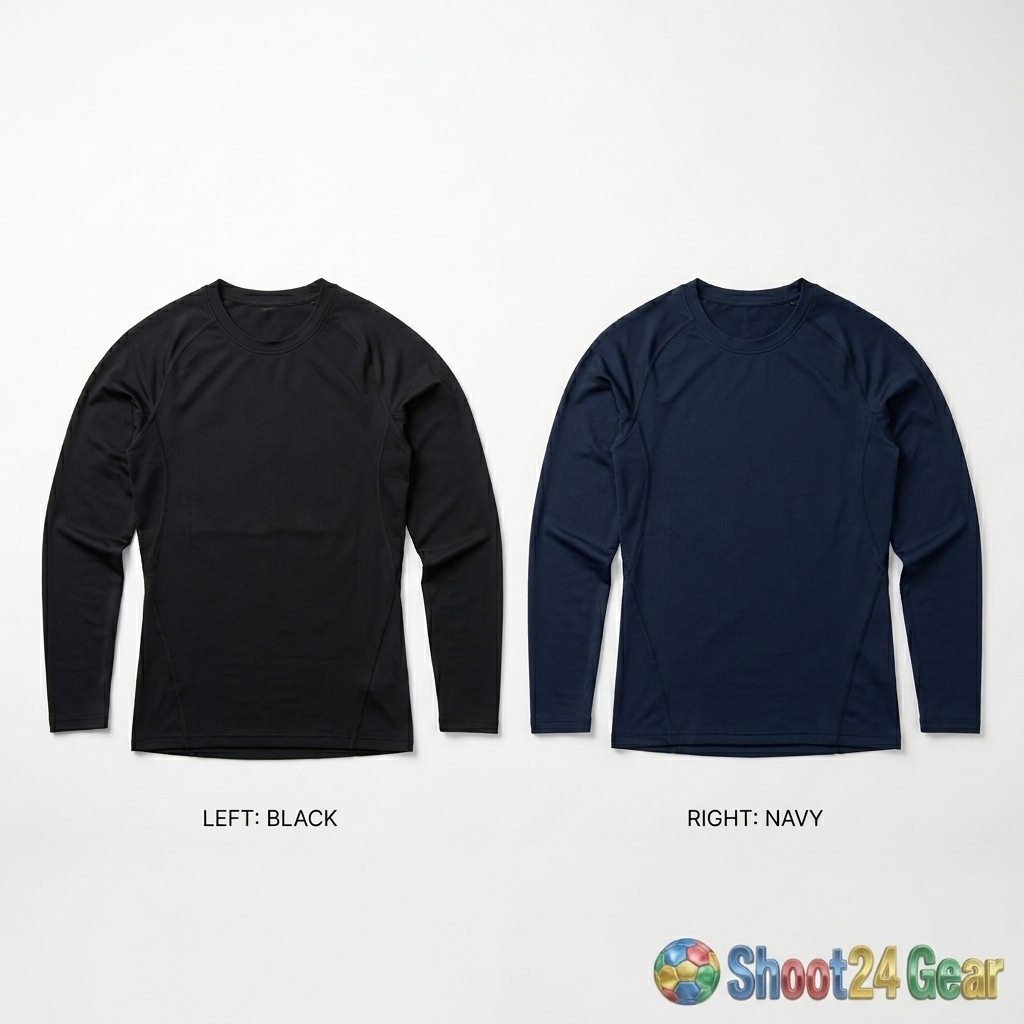
Nike Pro and Adidas Techfit represent the two dominant compression apparel ranges in football, each worn by millions of players worldwide as base layers beneath their football kits. Both comprehensive ranges promise improved muscle support, enhanced sweat and moisture management, and measurable performance benefits that justify the additional step of wearing a base layer beneath the football kit during both intensive training sessions and competitive matches. But the two systems approach compression apparel differently, and understanding those differences helps footballers select the range that best supports their playing style and comfort preferences.
This comparison examines every significant aspect of both ranges — fabric technology, compression levels, fit characteristics, durability, comfort, and value — to help you make an informed choice between the two largest compression apparel brands in football.
Fabric Technology
Nike Pro: Dri-FIT
Nike Pro compression apparel is built around Dri-FIT technology — Nike’s proprietary moisture management system that has evolved through multiple generations since its introduction. Dri-FIT uses specially engineered polyester microfibers that transport sweat from the skin surface through the fabric to the outer layer, where it spreads across a wider area for faster evaporation.
The current generation of Dri-FIT in Nike Pro compression gear uses a blend of polyester and elastane (spandex), typically in an 83-90% polyester to 10-17% elastane ratio. The high-percentage polyester provides the essential moisture-wicking structural framework while the elastane component delivers the precisely calibrated stretch and elastic recovery that creates the consistent compression effect. Nike’s fabric feels smooth against the skin with a slightly cool initial touch that many athletes find comfortable during warm-up.
Nike Pro fabric weights vary between products — lighter weight for warm-weather compression tops and heavier weights for cold-weather options — but the Dri-FIT moisture management operates consistently across all weights. The fabric maintains its moisture-wicking properties through repeated washing without significant degradation, which contributes significantly to Nike Pro’s well-established reputation for reliable long-term performance consistency across extended periods of ownership and regular athletic use.
Adidas Techfit: AEROREADY
Adidas Techfit compression apparel uses AEROREADY technology — Adidas’s moisture management platform that replaced the previous Climalite system. AEROREADY functions similarly to Dri-FIT in principle — drawing moisture away from the skin for surface evaporation — but uses Adidas’s proprietary fabric construction to achieve this effect.
Techfit fabric typically uses a polyester-elastane blend in similar ratios to Nike Pro, though Adidas often includes recycled polyester in their Techfit range as part of the brand’s sustainability commitments. The inclusion of recycled materials does not noticeably affect performance — the recycled polyester performs equivalently to virgin polyester in moisture management and durability testing.
Adidas Techfit fabric tends to feel slightly different against the skin compared to Nike Pro — many users describe it as having a marginally textured surface compared to Nike’s smoother feel. This textural difference is subtle but perceptible, and preference between the two is entirely subjective. Neither texture is objectively superior in any measurable performance dimension; the preference between them depends entirely on individual skin sensitivity, personal comfort preference, and how the fabric interacts with each individual wearer’s skin characteristics during extended athletic use.
Compression Levels
Compression apparel works by applying graduated pressure to the muscles, which supporters claim improves blood flow, reduces muscle vibration during impact, and may accelerate recovery between sessions. The degree of compression varies between brands and between products within each brand’s range.
Nike Pro compression: Nike Pro offers moderate compression that most footballers describe as supportive without feeling restrictive. The compression is relatively uniform across the garment rather than highly graduated, providing a consistent feel throughout the torso or legs. Nike’s approach prioritizes comfort alongside compression, making their garments wearable for extended periods including full matches without the discomfort that higher-compression garments can cause.
Adidas Techfit compression: Adidas Techfit provides slightly firmer compression than Nike Pro in most comparable products. The compression feel is more targeted — Techfit garments often use variable compression zones that apply higher pressure to specific muscle groups while maintaining lighter pressure in movement areas like joints. This zonal approach creates a more structured feel that some footballers prefer for the perception of enhanced muscle support.
The practical performance difference between Nike Pro’s moderate uniform compression and Adidas Techfit’s slightly firmer zonal compression is debatable at the amateur football level. Scientific research on compression garments shows modest, variable benefits that depend heavily on the individual’s physiology and the specific activity being performed. For the vast majority of amateur and recreational footballers, the subjective comfort difference between the two compression approaches matters significantly more in practical terms than any scientifically measurable performance difference between the two systems.
Fit and Sizing
Compression apparel fit is critical because the garments must sit tight against the skin without gaps while still allowing full range of movement for football activities.
Nike Pro fit: Nike Pro tends toward a slightly slimmer fit overall. The garments sit close to the body with minimal excess fabric, creating a streamlined profile under football kits. Nike’s sizing runs true to their general apparel sizing, which means footballers familiar with Nike sizing can select their standard size for compression wear. The slim fit can feel noticeably tight and potentially constrictive for footballers with larger, more muscular builds, particularly through the chest, shoulders, and upper arms in compression tops and long-sleeve variants.
Adidas Techfit fit: Adidas Techfit provides a marginally more accommodating fit compared to Nike Pro in equivalent sizes. The Techfit cut allows slightly more room through the torso while still maintaining effective compression contact. This slightly roomier approach makes Techfit more comfortable for footballers with broader builds who find Nike Pro too constrictive. Adidas sizing follows their standard sizing, and Techfit generally runs true to the published size charts.
For both brands, selecting the correct size is essential for compression effectiveness. Oversized compression garments simply cannot provide the adequate consistent pressure needed for effective muscle support, while undersized garments restrict natural movement range and create significant discomfort during play. When between sizes, Nike Pro wearers should typically choose the larger size for comfort, while Adidas Techfit wearers can often select either size depending on compression preference.
Product Range
Both brands offer comprehensive compression ranges that cover the major garment types footballers need.
Nike Pro range: Compression tops (short sleeve, long sleeve, sleeveless), compression shorts, compression tights (full length and three-quarter), and compression leggings. Nike also offers Nike Pro Warm variants with thermal properties for cold weather training. The range includes both men’s and women’s specific products with appropriate fit adjustments.
Adidas Techfit range: Compression tops (short sleeve, long sleeve, sleeveless), compression shorts, compression tights (full length and three-quarter), and training leggings. Adidas’s range includes Techfit COLD.RDY variants for cold weather performance. Like Nike, Adidas provides both men’s and women’s specific options.
Durability
Compression apparel endures significant stress — repeated stretching during athletic activity, frequent washing, and constant body contact with sweat. Durability determines how long the garments maintain their compression properties and fabric integrity.
Nike Pro durability: Nike Pro garments maintain their compression and shape well through extensive use. The fabric resists pilling effectively, and the elastane retains its recovery properties through many wash cycles. Most footballers consistently report that Nike Pro compression tops and shorts maintain their effective compression properties for approximately six to twelve months of regular intensive use (three to four sessions per week) before noticeable relaxation occurs. Color retention is generally strong, particularly in black garments.
Adidas Techfit durability: Adidas Techfit demonstrates broadly comparable durability performance to Nike Pro in side-by-side long-term use, with the fabric maintaining effective compression and garment shape through similar extended use periods and washing cycles. The recycled polyester content does not create any durability disadvantage compared to virgin polyester construction. Some users report that Techfit garments develop slight pilling earlier than Nike Pro equivalents, though this does not affect compression performance — it is a cosmetic rather than functional issue.
Temperature Management
Compression base layers interact with body temperature in ways that affect comfort across different weather conditions.
Warm weather: Both Nike Pro Dri-FIT and Adidas Techfit AEROREADY provide effective cooling in warm weather by wicking sweat efficiently and allowing evaporative cooling. The lightweight fabric adds minimal insulation while providing the benefits of compression and moisture management. Nike Pro’s slightly smoother fabric may feel marginally cooler in very hot conditions, though the actual measurable difference is minimal in practical use during real playing conditions.
Cold weather: Standard compression garments from both brands provide some thermal benefit by trapping a thin layer of warm air against the skin. However, for genuinely cold conditions, both brands offer dedicated thermal compression variants — Nike Pro Warm and Adidas Techfit COLD.RDY — that incorporate brushed interior fabrics and thermal insulation specifically designed for winter football training and matches.
Care and Washing
Proper care extends the effective lifespan of compression apparel significantly for both brands.
Wash compression garments after every use to remove sweat and body oils that degrade elastane over time. Use cold water and a gentle washing cycle — hot water and aggressive washing accelerate the breakdown of the elastane fibers that provide compression. Avoid fabric softeners, which coat the microfiber structure and reduce moisture-wicking effectiveness.
Air dry rather than tumble dry. The heat from tumble dryers degrades elastane faster than any other single factor, causing compression garments to lose their shape and pressure properties prematurely. Hanging on a line or flat drying on a clean surface at room temperature effectively preserves the fabric’s stretch and recovery characteristics for significantly longer than heat drying.
Price and Value
Nike Pro pricing: Nike Pro compression garments are positioned at a premium price point that is entirely consistent with Nike’s well-established general pricing strategy across their football equipment range. Compression tops typically range from moderate to high pricing, with long-sleeve and thermal variants at the upper end. Nike’s pricing reflects both the brand premium and the Dri-FIT technology investment.
Adidas Techfit pricing: Adidas Techfit is priced comparably to Nike Pro, typically within a narrow range of each other for equivalent products. Adidas occasionally offers more aggressive promotional pricing than Nike, which can create value advantages for budget-conscious buyers who time their purchases with sales periods.
Both ranges represent strong value for compression apparel — the performance and durability justify the pricing for footballers who train and play regularly enough to benefit from compression base layers. For footballers who play casually once or twice per week, the premium investment may not be adequately justified compared to more affordable standard moisture-wicking base layers that provide similar comfort without the compression component.
Third-Party Alternatives
While Nike Pro and Adidas Techfit dominate the football compression market, other brands offer competitive alternatives worth considering.
Under Armour HeatGear provides strong compression with excellent moisture management, often at slightly lower pricing than Nike or Adidas. Under Armour’s compression technology was the original mainstream compression apparel system, and their current range benefits from decades of compression-specific development.
Puma’s compression range offers competitive products that integrate well with Puma’s broader football ecosystem. While considerably less established in the compression apparel category than either Nike or Adidas, Puma’s dryCELL technology provides effective moisture management at price points that often undercut both major competitors.
Budget compression options from sports brands like Decathlon’s Kipsta range provide basic compression functionality at significantly lower prices. While the fabric quality and compression durability do not match premium brands, these affordable budget alternatives effectively serve footballers who want to try compression apparel as a concept without committing to the premium pricing that established brands require.
Layering Strategy with Compression
Compression base layers form the foundation of an effective football layering system, and both Nike Pro and Adidas Techfit are designed to work within their respective brand ecosystems.
Single layer (warm weather): In warm conditions, a compression top worn alone during training provides moisture management and muscle support without additional insulation. Both Nike Pro and Adidas Techfit function effectively as standalone training tops in temperatures above 20آ°C, providing sun protection, sweat management, and compression in a single garment.
Two-layer system (moderate weather): A compression base layer beneath a standard training shirt provides optimal comfort in moderate temperatures. The base layer handles moisture management while the outer layer provides additional coverage and a professional appearance. Both brands’ compression ranges are designed with flat seam construction that prevents chafing under outer layers.
Three-layer system (cold weather): In cold conditions, compression base layer, mid-layer training top, and outer training jacket create comprehensive protection. The compression base manages moisture to prevent the chilling effect of sweat-soaked fabric in cold air, the insulating mid-layer provides essential thermal warmth retention, and the protective outer layer shields against wind penetration and rain exposure.
Football-Specific Considerations
Compression apparel designed for general athletic use differs from football-specific compression in subtle but meaningful ways.
Referee compatibility: FIFA and most football associations require that base layers match the predominant color of the team’s shirt sleeves. This means footballers need base layer colors that match their kit — not just any color that the brand offers. Both Nike Pro and Adidas Techfit are available in standard football colors (black, white, navy, red, blue) that typically match common kit colors, but verifying color compatibility with your specific kit before purchasing prevents match-day equipment issues.
Freedom of movement: Football demands extreme range of motion — overhead throws for goalkeepers, slide tackles, and full-sprint acceleration. Both Nike Pro and Adidas Techfit accommodate these movements well, though individual fit variation means some footballers find one brand’s cut more movement-friendly than the other. Trying both brands during actual football training sessions on the pitch before committing to regular match-day use helps reliably identify which brand’s movement characteristics suit your playing style.
Contact durability: Football involves body contact, slide tackles, and ground contact that stress compression fabric beyond what gym or running use creates. Both brands’ football-focused compression garments use reinforced fabric in high-contact areas, though the specific extent and placement of reinforcement varies between individual products within each brand’s compression range.
Which Should You Choose
Choose Nike Pro if: You prefer a smoother fabric feel against the skin. You want slightly lighter, more uniform compression. You have a slim build that suits Nike’s closer-fitting cut. You prioritize maximum moisture-wicking efficiency in warm weather. You already wear Nike football boots and kits and prefer brand consistency across your equipment.
Choose Adidas Techfit if: You prefer slightly firmer, more targeted compression with zonal support. You have a broader build that benefits from Techfit’s marginally more accommodating cut. You value sustainability and prefer products using recycled materials. You already wear Adidas football boots and kits. You find Adidas’s occasional promotional pricing makes Techfit the better value option.
Product specifications, fabric technologies, sizing options, and available models all change between seasons and product generations as both brands continue developing and refining their compression apparel ranges. Always verify current offerings, specifications, pricing, and available colors on official brand websites before making any purchasing decisions for your compression football apparel.