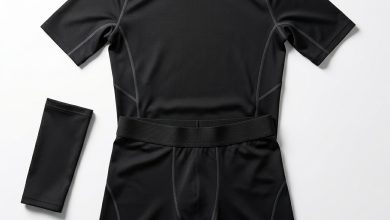
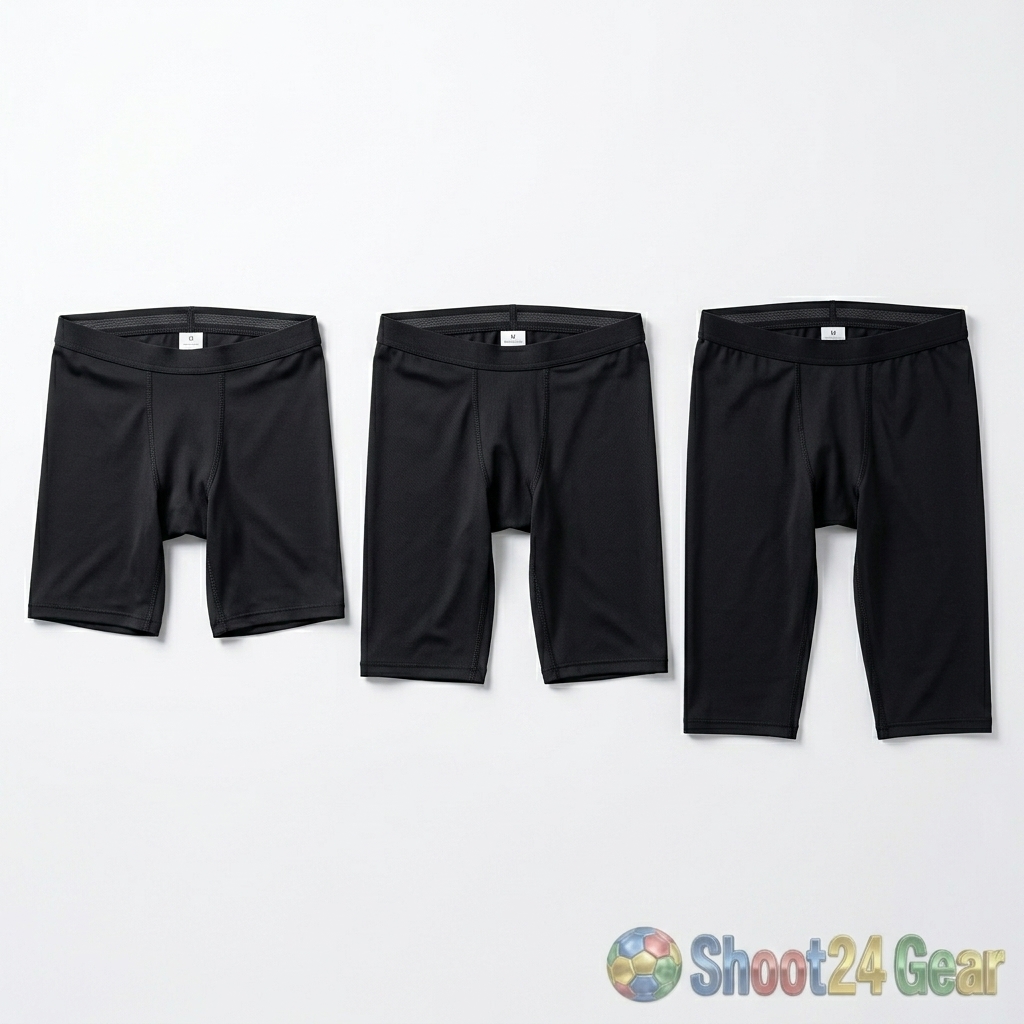
Compression shorts serve as the essential foundation layer for lower body support during all forms of football training and competitive matches. Worn beneath standard football shorts, compression shorts provide muscle support, moisture management, and a secure fit that standard underwear cannot deliver during the demanding physical movements that football requires — sprinting, sliding, jumping, and rapid directional changes that stress the groin, quadriceps, and hamstring muscle groups through their full range of motion.
This comprehensive guide covers every significant aspect of compression shorts for football use — the benefits they provide, the features that distinguish quality options, sizing and fit considerations, and practical guidance for selecting compression shorts that enhance your training and match comfort without the distraction of inappropriate or poorly fitting underlayers.
Why Footballers Wear Compression Shorts
Muscle support and vibration reduction: Compression shorts apply graduated pressure to the thigh and groin muscles, reducing the micro-vibrations that occur during high-impact running and jumping. This vibration reduction is associated with decreased muscle fatigue during extended activity and potentially reduced risk of minor soft tissue damage. While the scientific evidence for compression-enhanced performance remains modest, the subjective sensation of muscle support is valued by many footballers for confidence and comfort benefits.
Moisture management: Synthetic compression fabrics — typically polyester-elastane blends — wick sweat away from the skin more effectively than cotton underwear. This moisture management keeps the groin area drier and more comfortable during intensive activity, reducing the chafing and skin irritation that moisture-saturated cotton creates during extended football sessions.
Chafe prevention: The close-fitting, smooth fabric of compression shorts eliminates the bunching and riding that standard underwear experiences during running. This smooth, consistent fit prevents the inner-thigh chafing that is one of the most common comfort complaints among footballers, particularly during longer training sessions and matches where accumulated friction creates significant skin irritation.
Secure fit for protective equipment: Compression shorts provide a stable platform for integrating protective padding and cups. The tight fit holds protective inserts in position more reliably than loose underwear, ensuring protection stays where intended during the dynamic movements that can dislodge loosely held protective equipment.
Types of Compression Shorts
Standard Compression Shorts
Basic compression shorts provide muscle support and moisture management without additional features. These shorts use a polyester-elastane blend that applies moderate compression to the thighs and groin while wicking sweat to the fabric surface for evaporation. Standard unpadded compression shorts are the most affordable and widely available option and effectively serve the majority of footballers’ everyday underlayer needs during both training and competitive matches.
Padded Compression Shorts
Padded variants incorporate foam or gel padding in key impact areas — typically the hips, tailbone, and outer thighs. These padded options are particularly popular among goalkeepers who experience regular impact from diving saves, and among youth players who benefit from additional protection during the learning process. The padding adds bulk compared to standard compression shorts, which some footballers find noticeable beneath thin match shorts.
Compression Shorts with Integrated Cup Pocket
Some compression shorts include a built-in pocket designed to hold a protective cup. This integrated pocket positions the cup correctly and holds it securely during movement, eliminating the displacement that occurs when cups are worn in standard underwear. While protective cups are less common in football than in cricket or baseball, some footballers — particularly goalkeepers and defensive wall players — prefer the additional protection during match situations.
Three-Quarter Length Compression
Extended-length compression shorts that reach below the knee provide compression coverage for the quadriceps and hamstrings as well as the groin area. These longer options are clearly visible beneath standard football shorts and must therefore comply with league regulations regarding the permitted colors of visible base layer garments during competitive matches. Three-quarter compression is popular among players recovering from thigh or hamstring injuries who want additional support for the recovering muscle group.
Fabric and Technology
Compression short fabrics use the same technologies found in compression tops — Nike Dri-FIT, Adidas AEROREADY, Under Armour HeatGear, and Puma dryCELL all apply their moisture management technologies to their compression short ranges.
The fabric blend typically uses 80-90% polyester for moisture wicking and structural integrity, with 10-20% elastane (spandex) for stretch and compression recovery. Higher elastane percentages provide firmer compression but may reduce breathability. Lower elastane percentages provide lighter compression with improved airflow. The optimal balance depends on personal preference — some footballers prefer firm compression while others find lighter compression more comfortable for extended wear.
Anti-microbial treatments are common in quality compression shorts. These treatments inhibit bacterial growth that causes odor, extending the time between washes and maintaining freshness during intensive training. Anti-microbial effectiveness diminishes over time through washing, but quality treatments maintain significant effectiveness through many wash cycles before complete depletion.
Fit and Sizing
Compression short fit is critical because the garment must maintain contact with the skin across all areas to provide effective compression and moisture wicking without creating uncomfortable pressure points or restriction.
Measure your waist and hip circumference and consult the specific brand’s compression sizing chart. Compression sizing differs from standard apparel sizing — a compression medium provides different fit characteristics than a standard underwear medium. Using standard underwear sizing for compression short purchases frequently and predictably results in garments that are either too loose to provide effective compression or too tight to allow comfortable extended wear during a full training session or match.
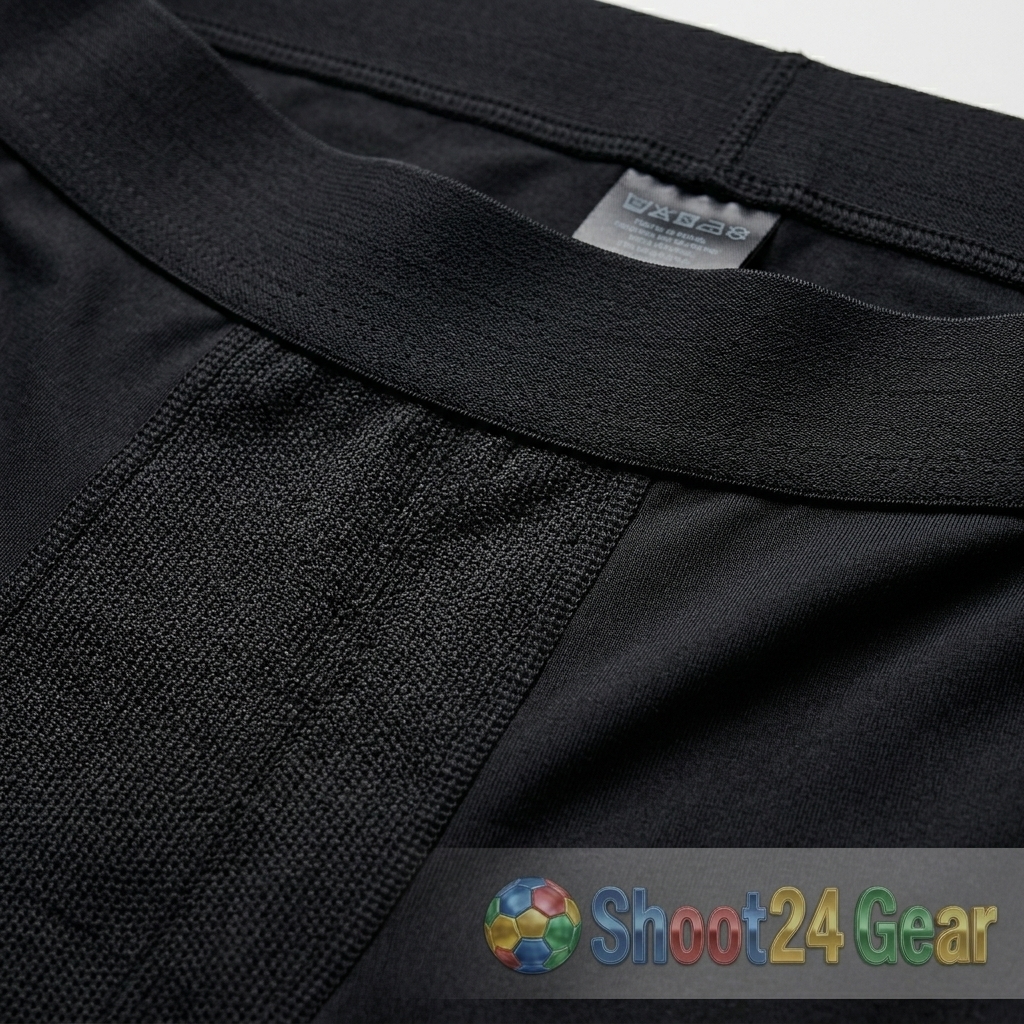
The waistband should sit securely at the natural waist without rolling down during movement. Waistband roll is the most common fit complaint with compression shorts and typically indicates incorrect sizing — either too large (rolling down from loose fit) or too small (rolling down from the elastic being overstretched). A correctly sized waistband stays in position through all football movements without adjustment.
Leg length should be even on both legs and should not ride up during running. Silicone grip strips on the inner hem of the leg openings help prevent riding — a feature well worth seeking in quality compression shorts that significantly improves wearing comfort during extended and intensive athletic activity.
Position-Specific Considerations
Goalkeepers: Padded compression shorts provide meaningful hip and tailbone protection during diving saves. The strategically placed padding absorbs impact from repeated ground contact and diving, significantly reducing the bruising and accumulated soreness that unpadded diving creates over the course of a full training session or competitive match. Goalkeeper compression shorts with reinforced hip padding are a specialized product category worth investigating for regular goalkeepers.
Defenders: Standard compression shorts with firm compression suit defenders who experience frequent physical contact and slide tackles. The compression provides muscle support during the explosive recovery movements that defensive positioning requires, and the smooth compression fabric significantly reduces friction and abrasion during slide tackles on artificial turf and 3G surfaces.
Midfielders: Lightweight compression with emphasis on moisture management suits midfielders covering large distances. The extended running that midfield positions demand creates significant sweat production in the groin area, making moisture-wicking performance the priority feature for midfield compression short selection.
Forwards: Freedom of movement is the priority for attackers. Lighter compression with maximum stretch allows the explosive acceleration and directional changes that attacking play requires without any sensation of restriction through the groin and thigh area.
Care and Maintenance
Compression shorts require consistent care to maintain their compression properties, moisture-wicking performance, and hygiene through extended use.
Wash after every single use — no exceptions. The groin area generates significant sweat and body oils that degrade elastane fibers and create hygiene concerns if not promptly removed through washing. Use cold water and mild detergent on a gentle cycle. Hot water and aggressive washing accelerate the breakdown of elastane, reducing compression performance prematurely.
Never use fabric softener. Softeners coat the moisture-wicking fibers with a film that reduces their ability to transport sweat from the skin. This coating creates the damp, uncomfortable feeling that compression shorts are specifically designed to prevent.
Air dry exclusively. The heat from tumble dryers is the single most damaging factor for elastane fibers. Air drying at room temperature preserves compression and stretch properties significantly longer than heat drying. The small inconvenience of air drying is a worthwhile investment in extended garment lifespan and maintained compression effectiveness.
Common Compression Short Mistakes
Wearing cotton underwear beneath compression shorts: Compression shorts are designed as a complete underwear replacement. Wearing cotton underwear beneath them negates the moisture management benefit and creates uncomfortable fabric bunching between two layers. Wear compression shorts directly against the skin for proper functionality.
Selecting based on standard underwear size: Compression sizing differs from underwear sizing. Using your standard underwear size for compression purchases frequently results in incorrect fit that reduces both comfort and performance.
Wearing compression shorts past their effective lifespan: When compression shorts lose their elastic recovery — the fabric no longer snaps back after stretching — the compression benefit is gone. Continuing to wear depleted compression shorts provides no advantage over standard underwear. Replace compression shorts when noticeable compression loss occurs, typically after six to twelve months of regular use with proper care.
Brand Comparison
Nike Pro: Nike’s compression shorts use Dri-FIT technology with a fit profile that tends slightly slimmer than competing brands. The fabric feels smooth against the skin with a marginally cool initial touch. Nike Pro compression shorts are available in multiple lengths — standard, long, and three-quarter — providing options for different coverage preferences. The waistband uses a wide elastic design that distributes pressure evenly and resists rolling during activity.
Adidas Techfit: Adidas compression shorts use AEROREADY technology with a slightly roomier fit through the thigh compared to Nike Pro. The compression feel is marginally firmer than Nike’s approach, with zonal compression that applies targeted pressure to specific muscle groups. Adidas incorporates recycled polyester in current production without performance compromise, an environmental consideration that differentiates Techfit from some competitors.
Under Armour HeatGear: Under Armour pioneered mainstream compression apparel, and their compression shorts benefit from this extended development history. HeatGear compression shorts provide firm, consistent compression with excellent moisture management. The fit profile works well across diverse body types, making Under Armour a consistently reliable choice for footballers who are unsure of their correct sizing in other competing brands.
Puma LIGA: Puma’s compression short range uses dryCELL technology at price points that typically undercut Nike and Adidas equivalents. The compression is moderate — less firm than Under Armour but comfortable for extended wear. Puma compression shorts represent genuinely good value for budget-conscious footballers seeking effective compression benefits without committing to premium brand pricing levels.
Budget Management
Compression shorts require regular replacement due to elastane degradation, making ongoing cost management important for budget-conscious footballers.
Rotation strategy: Owning three to four pairs of compression shorts allows rotation between training sessions, extending the lifespan of each pair by reducing individual wash frequency. This rotation distributes wear across multiple garments rather than concentrating degradation on a single pair through daily use.
Tiered purchasing: Invest in one or two premium compression shorts for match-day use where performance and comfort matter most, and supplement with budget alternatives for training sessions where premium performance is less critical. This tiered approach provides premium match-day comfort where it matters most while effectively managing overall compression short expenditure across the playing season.
Multi-pack purchasing: Some brands offer compression shorts in multi-packs at reduced per-unit pricing. These multi-pack options typically include standard colorways (black, dark grey) and provide the most cost-effective way to build a rotation of training compression shorts.
Seasonal Considerations
Summer: In warm weather, compression shorts with maximum breathability and moisture management are essential. The groin area generates significant heat during sustained athletic activity, and inadequate moisture management in hot and humid conditions creates substantial discomfort that affects concentration and performance. Select the lightest weight compression available, and consider shorter inseam lengths that reduce fabric coverage while maintaining compression on the key muscle groups.
Winter: Cold weather compression shorts with thermal properties — brushed interior fabric — provide insulation for the groin and upper thigh during cold training sessions. Thermal compression shorts worn beneath training pants create an effective dual-layer lower body protection system for winter football. The thermal insulation is particularly valuable during warm-up and cool-down periods when lower body activity levels are reduced.
Transitional seasons: Standard compression shorts serve spring and autumn conditions effectively. The moderate temperature range of transitional seasons does not require thermal enhancement or maximum breathability — standard moisture-wicking compression provides adequate comfort across the temperature variations that these seasons present.
Compression Shorts for Recovery
Some footballers wear compression shorts during the post-training and post-match recovery period based on the theory that compression promotes blood circulation and reduces post-exercise muscle swelling in the thigh and groin area.
Scientific evidence for compression-aided lower body recovery is mixed but slightly more positive than for upper body compression. Several studies show modest improvements in perceived quadriceps and hamstring soreness when compression is worn during the one to three-hour period immediately following intensive lower body exercise. Whether these perceived improvements reflect genuine physiological acceleration of recovery or a psychological comfort effect remains debated in sports science literature.
Regardless of mechanism, many footballers report subjective recovery benefits from post-exercise compression wear. If wearing compression shorts after training makes you feel more recovered and ready for subsequent sessions, the practical benefit justifies the practice regardless of whether the mechanism is physiological or psychological.
Regulations and Visibility
Football regulations govern the visibility of compression shorts during competitive matches. Standard-length compression shorts that remain hidden beneath match shorts face no regulatory restrictions — they are treated as personal undergarments.
Three-quarter length compression shorts that extend below the match shorts hemline are subject to the same color-matching regulations as visible base layer sleeves. The visible portion must match the predominant color of the match shorts. In practice, this means black compression shorts meet the requirements for most dark-colored match shorts, but light-colored match shorts may require white or color-matched compression options.
Check your specific league’s regulations regarding visible base layers before purchasing extended-length compression shorts for match use. Regulations on visible base layer colors vary significantly between different leagues and national associations, and non-compliance with these regulations may result in being asked to change your compression shorts before being allowed to participate in the competitive match.
Summary
Compression shorts provide meaningful benefits for footballers — effective moisture management, chafe prevention, muscle support, and secure fit for protective equipment. Select standard compression for general use, padded compression for goalkeepers and impact-prone positions, and three-quarter length for extended coverage needs.
Prioritize correct sizing above all other features — incorrectly sized compression shorts create more discomfort than they prevent. Maintain compression performance through consistent proper care practices and replace garments promptly when compression degradation becomes noticeable during wear.
Product ranges, padding configurations, available technologies, and specific fabric compositions all change between seasons and product generations as brands continue developing their compression apparel ranges. Always verify current offerings, specifications, pricing, and available sizes on official brand websites before making any purchasing decisions for your football compression shorts.