Cold weather transforms the challenge of football apparel from managing heat and sweat into preventing dangerous heat loss while maintaining the athletic performance that football demands. When temperatures drop below 10°C and wind chill compounds the cold, standard training wear becomes inadequate — the lightweight moisture-wicking fabrics that excel in moderate conditions cannot prevent the rapid body heat loss that cold exposure creates during the inevitable rest periods between training drills.
This guide provides a systematic approach to cold weather football apparel, covering the thermal technologies available, the layering strategies that maximize warmth without restricting movement, and the specific product categories designed for winter football training and competition.
Understanding Cold Weather Challenges for Footballers
Football creates unique cold weather challenges that differ from steady-state winter sports like running or cycling. Football involves repeated transitions between high-intensity effort and stationary periods — sprinting followed by standing, intense drills followed by tactical discussions, warm-up activity followed by substitution bench time. These transitions create a thermal management problem that no single garment can solve.
During high-intensity activity, the body generates substantial heat and sweat. During subsequent rest periods, that sweat-soaked fabric becomes a powerful cooling mechanism as evaporation strips heat from the body. In warm weather, this cooling effect is desirable. In cold weather, it creates dangerous chilling that can reduce muscle temperature, impair performance, and cause genuine discomfort that affects concentration and motivation.
Effective cold weather football apparel must manage both states — allowing heat and moisture to escape during activity while retaining warmth during rest periods. This dual requirement drives the layering approach that underpins all successful cold weather dressing strategies for football.
The Three-Layer System
Base Layer — Moisture Management
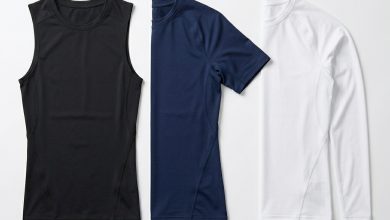
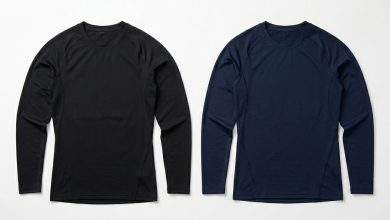
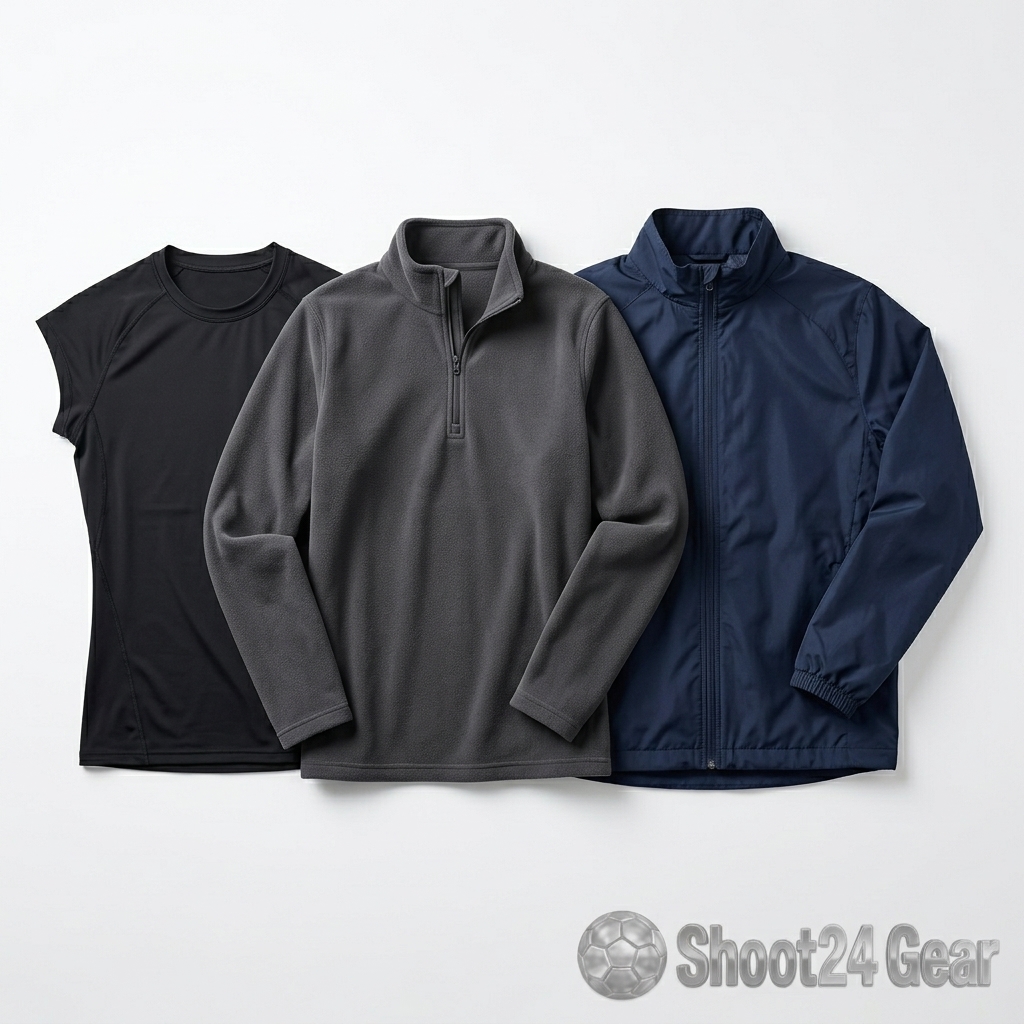
The base layer sits directly against the skin and serves one critical function — transporting sweat away from the skin surface before it can accumulate and create chilling during rest periods. Compression tops with thermal properties represent the ideal base layer for cold weather football.
Cold weather base layers differ from standard compression tops in their construction. Nike Pro Warm, Adidas Techfit COLD.RDY, and Under Armour ColdGear all use brushed interior fabric that traps a thin layer of warm air against the skin while the exterior face continues to wick moisture outward. This dual-function construction provides both thermal insulation and moisture management in a single thin garment that adds minimal bulk beneath outer layers.
Cotton base layers are categorically unsuitable for cold weather football. Cotton absorbs and retains moisture rather than wicking it, creating a cold, wet layer against the skin that accelerates heat loss. The phrase “cotton kills” is commonly used in outdoor sports to emphasize the danger of cotton in cold, wet conditions — while football rarely involves the life-threatening exposure that mountaineering does, the performance and comfort implications of wet cotton against cold skin are significant and entirely avoidable.
Mid-Layer — Insulation
The mid-layer provides the primary thermal insulation by trapping warm air between the base layer and the outer shell. The mid-layer’s effectiveness depends on its ability to create and maintain insulating air pockets while allowing moisture vapor from the base layer to pass through rather than condensing within the insulation.
Fleece training tops and quarter-zip pullovers represent the most common football mid-layers. Fleece is lightweight, insulating, breathable, and quick-drying — properties that suit the variable intensity of football training. A medium-weight fleece provides adequate insulation for most cold weather training situations, with lightweight fleece serving milder cold and heavyweight fleece reserved for the most severe conditions.
Hoodies and sweatshirts function as mid-layers for casual cold weather use but are less effective than fleece for active training because their heavier weight and reduced breathability create overheating during intensive activity. Reserve hoodies for warm-up, cool-down, and travel rather than as mid-layers during active training drills.
Outer Layer — Weather Protection
The outer layer protects against wind and rain — the two environmental factors that most aggressively compound cold temperatures into dangerous wind chill and wet-cold conditions.
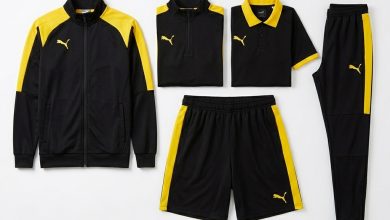
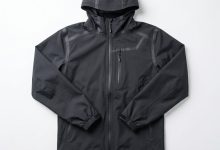
A windproof training jacket provides essential outer layer protection for cold, dry conditions. The jacket should block wind penetration while allowing moisture vapor to escape from the underlying layers. Softshell jackets provide the best balance of wind protection and breathability for active training in cold conditions.
For cold and wet conditions, a waterproof outer layer replaces or supplements the windproof jacket. Rain jackets designed for football provide water protection without the excessive bulk that outdoor rain gear creates. In the most severe conditions — cold, wet, and windy — a waterproof outer over a fleece mid-layer over a thermal base creates maximum protection.
Lower Body Cold Protection
Lower body protection in cold weather is equally important as upper body coverage but often receives less attention in cold weather planning.
Thermal tights: Full-length thermal compression tights provide base layer protection for the legs. These tights use the same brushed-interior construction as thermal compression tops, trapping warm air against the skin while wicking moisture outward. Thermal tights worn beneath training pants provide a dual-layer system for the legs.
Training pants: Standard training pants from the Adidas Tiro or Nike Academy ranges provide a wind-resistant outer layer for the legs. The combination of thermal tights beneath training pants creates an effective two-layer leg protection system for cold weather training.
Padded training pants: Some brands offer fleece-lined training pants that combine the outer protection of standard training pants with built-in insulation. These single-garment solutions are convenient but less versatile than the separate tights-and-pants approach, which allows each layer to be added or removed independently as conditions change.
Extremity Protection
Hands, feet, ears, and neck lose heat disproportionately due to high blood flow near the skin surface in these areas. Protecting extremities has an outsized impact on overall thermal comfort.
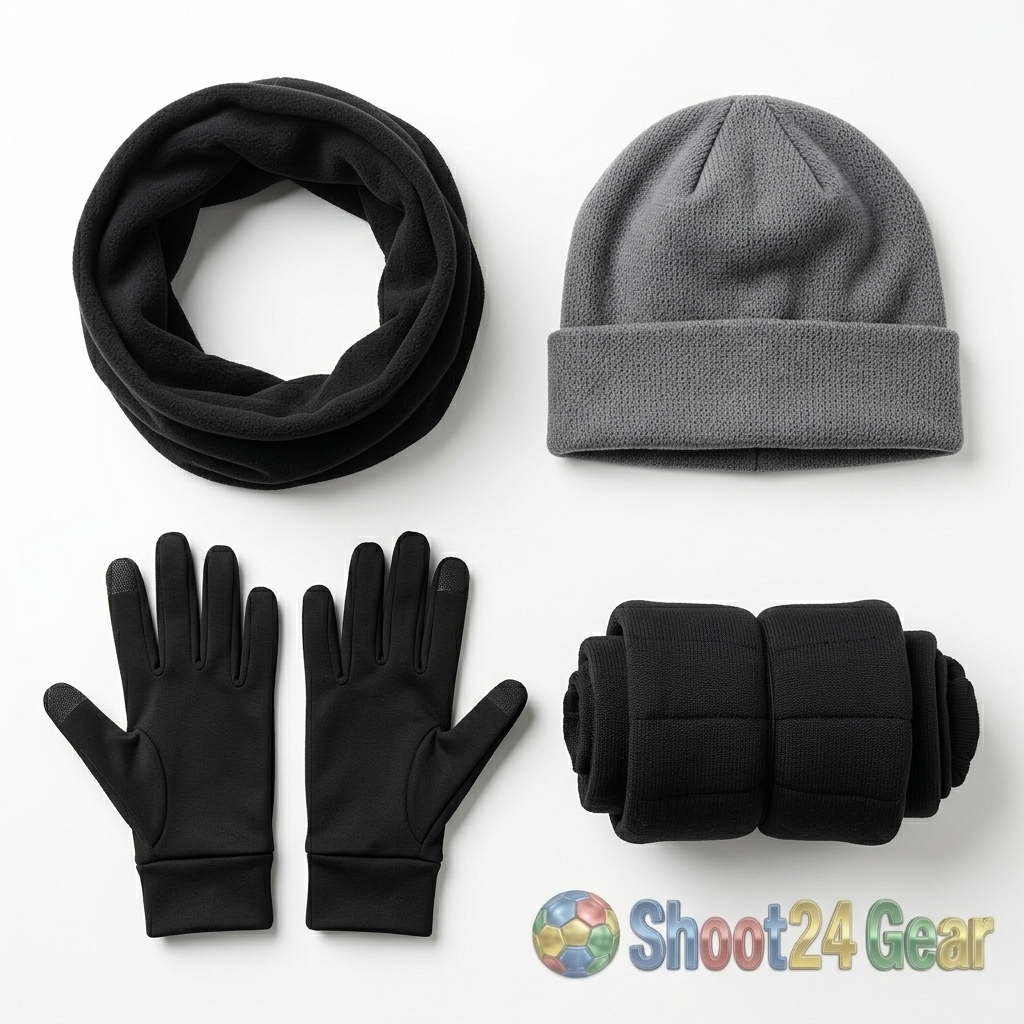
Gloves: Lightweight running gloves or player gloves provide hand protection without the bulk that goalkeeper-style gloves create. Touchscreen-compatible fingertips allow phone use without removing gloves — a practical feature for checking training times and communications during breaks.
Neck warmers and snoods: Tubular neck warmers (snoods) protect the neck and lower face from cold air and wind. Snoods can be pulled up to cover the mouth and nose during the coldest conditions or pulled down around the neck when face protection is unnecessary. Their versatility makes them one of the most valuable cold weather accessories for footballers.
Hats and headbands: Thermal beanies provide maximum head warmth for stationary periods. Fleece headbands protect the ears while allowing heat to escape from the top of the head during activity — a useful compromise between full head coverage and the overheating that beanies can cause during intensive training.
Thermal socks: Thicker football socks with thermal properties provide foot insulation without requiring boot size changes. Some footballers prefer wearing thin liner socks beneath standard football socks for additional insulation and moisture management, though this double-sock approach requires boots with adequate interior volume to prevent tightness.
Temperature-Based Selection Guide
5-10°C: Standard compression base layer plus training suit (jacket and pants). Add a lightweight fleece mid-layer if standing for extended periods. This temperature range typically does not require thermal-specific garments for players who maintain regular activity levels.
0-5°C: Thermal compression base layer (top and tights) plus fleece mid-layer plus windproof jacket and training pants. Add neck warmer and lightweight gloves. This range requires genuine cold weather preparation — standard training wear is insufficient.
Below 0°C: Full thermal layering system — thermal base layer, heavyweight fleece mid-layer, windproof or waterproof outer layer. Thermal tights beneath lined training pants. Beanie or headband, neck warmer, insulated gloves, and thermal socks. Consider adding a padded jacket for warm-up and cool-down periods when body heat generation is lowest.
Managing Training Transitions
The most challenging aspect of cold weather football is managing the transitions between high-intensity activity and rest periods. A systematic approach prevents the chilling that occurs when sweat-soaked clothing meets cold air during breaks.
During warm-up: Wear full layering including jacket. The warm-up period generates progressively more heat, and starting fully layered prevents the cold-start discomfort that discourages thorough warm-up routines in cold weather.
During intensive drills: Remove the outer jacket and potentially the mid-layer during high-intensity training segments. The base layer and training pants provide adequate coverage during peak activity when body heat generation is highest. Keep removed layers accessible — draped over a bench or bag — rather than leaving them in a changing room where they cannot be quickly re-applied.
During breaks and discussions: Immediately re-apply the mid-layer and jacket during any rest period longer than two minutes. The body begins cooling rapidly once activity stops, and the delay between stopping activity and feeling cold is shorter than most people expect. Proactive re-layering before feeling cold is more effective than reactive layering after chilling has begun.
During cool-down: Full layering including jacket for the cool-down period. The body’s heat generation drops significantly during cool-down stretches, and the combination of reduced heat production with sweat-dampened base layers creates the highest chilling risk of any training phase.
Care for Thermal Apparel
Thermal football apparel requires the same care principles as standard training wear, with additional attention to the thermal properties that distinguish cold weather garments.
Wash thermal base layers after every use — sweat residue degrades the brushed interior fabric that provides thermal insulation. Use cold water and mild detergent. Avoid fabric softeners, which coat the moisture-wicking fibers and reduce the dual-function performance that thermal base layers depend on.
Air dry all thermal garments. The brushed interior fabric that creates insulation is particularly susceptible to heat damage from tumble dryers. High heat can melt or flatten the brushed fibers, permanently reducing the insulation capacity of the garment. Air drying preserves both the thermal and moisture-management properties through the garment’s full useful lifespan.
Budget Strategy for Cold Weather Gear
Building a complete cold weather football wardrobe involves multiple specialized garments that, purchased simultaneously at full retail, represent a significant investment. A staged purchasing approach manages cost while building comprehensive cold weather capability over time.
Priority 1 — Thermal base layer top and tights: The single most impactful cold weather investment. A quality thermal base layer transforms cold weather comfort more than any other single purchase. Budget the most you can afford for this foundation garment, as its performance directly determines your training comfort in every cold weather situation.
Priority 2 — Fleece mid-layer: A medium-weight fleece quarter-zip provides the insulation layer that standard training tops cannot match. Fleece is widely available at competitive pricing from both premium and budget brands, and the performance difference between premium and budget fleece is smaller than for any other cold weather layer.
Priority 3 — Accessories: A neck warmer, lightweight gloves, and a headband or beanie provide extremity protection at minimal cost. These accessories deliver outsized comfort improvement relative to their modest pricing, making them excellent value additions to any cold weather wardrobe.
Priority 4 — Windproof or padded jacket: A dedicated cold weather outer layer. If you already own a standard training jacket, it may serve adequately as a windbreaker for moderate cold. A dedicated padded or softshell jacket represents the final investment for completing your cold weather system.
Common Cold Weather Mistakes
Overdressing from the start: Many footballers overdress for cold weather training, wearing maximum layering from warm-up through the entire session. This creates excessive sweating during high-intensity segments, which then causes severe chilling during rest periods. Start with appropriate layering for activity level and adjust during transitions rather than wearing maximum insulation throughout.
Wearing cotton in any layer: Cotton in any position within the layering system — base layer, mid-layer, or even underwear beneath thermal base layers — absorbs and retains moisture that creates chilling. Every garment worn during cold weather football should be synthetic or wool-based for effective moisture management.
Neglecting lower body protection: Footballers who carefully layer their upper body often wear only standard training pants with no thermal tights beneath. The legs lose significant heat through exposure, particularly during standing periods, and thermal tights provide substantial comfort improvement for a modest investment.
Failing to bring extra layers: Cold weather conditions are unpredictable, and training sessions may include unexpected breaks for pitch maintenance, weather delays, or extended tactical discussions. Bringing additional layers beyond what you expect to need provides insurance against unexpected cold exposure during unforeseen stationary periods.
Ignoring wind direction: Training drills that face into prevailing wind create significantly more cold exposure than the same drills running with the wind. Be aware of wind direction when positioning yourself during breaks and standing periods — turning your back to the wind reduces face and chest exposure to wind chill.
Match Day Cold Weather Considerations
Match day cold weather management differs from training because regulations limit what players can wear during competitive matches. FIFA rules permit base layers that match the team shirt sleeve color, but the layering options available during training are restricted during matches.
Substitutes: Players on the substitution bench face the greatest cold weather challenge — prolonged inactivity in cold conditions with the possibility of entering the match at any time. Substitutes should wear full insulated clothing including padded jackets and keep muscles warm through periodic light exercise on the touchline. Team management should ensure adequate warm clothing is available for all substitutes during cold weather matches.
Warm-up scheduling: In cold weather, the warm-up period must be thorough enough to raise muscle temperature to safe performance levels. A truncated cold weather warm-up risks muscle injury and impaired performance. Allow additional warm-up time in cold conditions and ensure the transition from warm-up to match kick-off is as short as possible to minimize heat loss.
Half-time management: The fifteen-minute half-time break creates significant cooling in cold conditions. Players should immediately add thermal layers during the half-time interval and perform light movement to maintain muscle temperature. Sitting stationary in a cold changing room for the entire interval, then immediately re-entering cold outdoor conditions, creates a dangerous thermal drop that increases second-half injury risk.
Goalkeeper Cold Weather Specifics
Goalkeepers face amplified cold weather challenges because their activity pattern involves longer stationary periods than outfield players. A goalkeeper during a match dominated by their team may stand relatively inactive for extended periods, losing body heat while waiting for involvement.
Thermal base layers are essential for goalkeepers in cold weather — more so than for any outfield position. Long-sleeve thermal compression tops worn beneath the goalkeeper jersey provide continuous insulation during the periods of reduced activity that goalkeeping involves. Thermal gloves designed for goalkeeper use provide hand warmth while maintaining the grip sensitivity needed for catching and handling.
Goalkeepers should perform continuous light movement during periods of reduced involvement — small hops, shuffles, and bouncing movements that maintain muscle temperature and blood circulation without creating fatigue. This active warmth maintenance is as important as the clothing layers in preventing cold-related performance degradation during cold weather matches and training.
Summary
Cold weather football apparel success depends on systematic layering rather than individual garment selection. The three-layer system — moisture-wicking thermal base, insulating mid-layer, and weather-protective outer — provides comprehensive cold protection that adapts to the variable intensity demands of football training through layer addition and removal.
Invest in quality thermal base layers as the foundation of your cold weather system. The base layer has the greatest impact on comfort because it directly manages the moisture that causes chilling. Mid-layers and outer layers can be supplemented with budget alternatives, but the base layer’s performance directly determines your cold weather training comfort and should represent the highest quality investment in your winter football wardrobe.
Product ranges, thermal technologies, and available options change between seasons. Verify current cold weather offerings on official brand websites before making purchasing decisions.