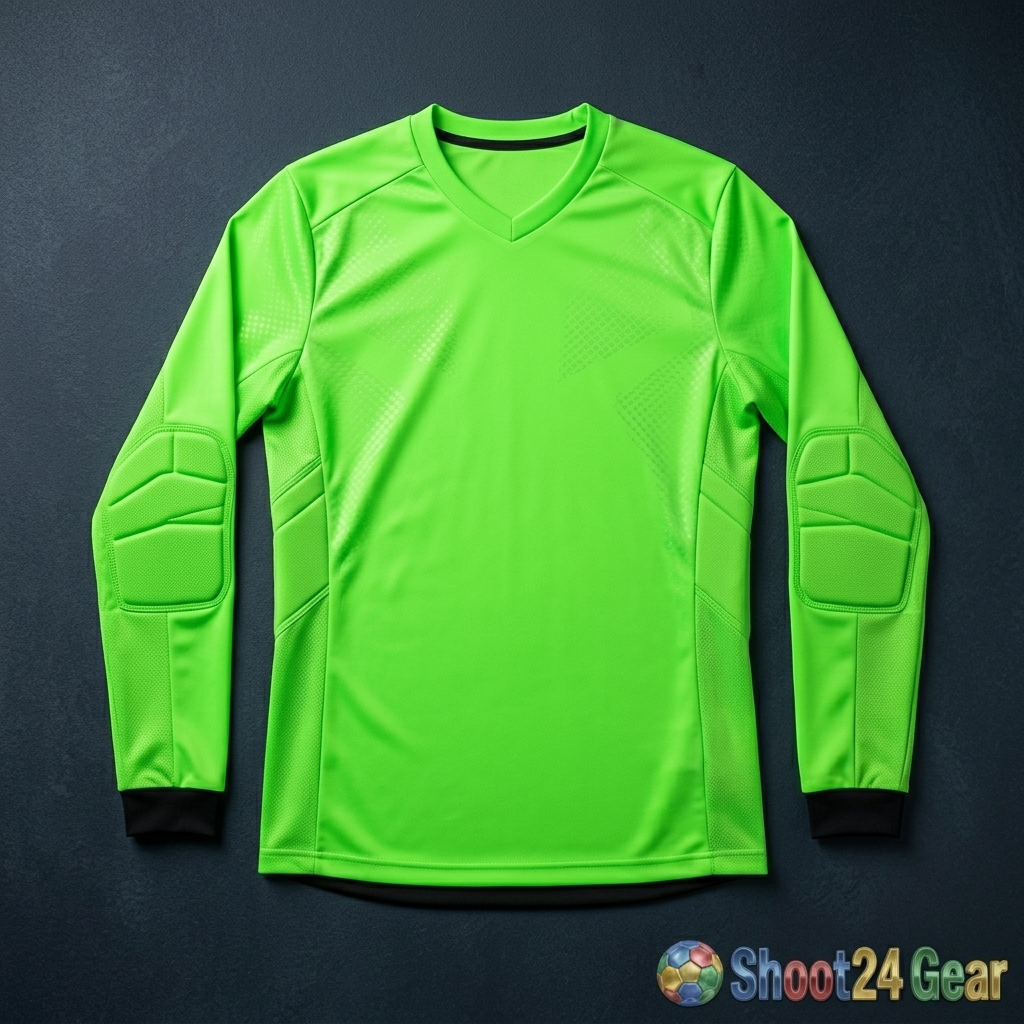
Goalkeeper jerseys serve a fundamentally different purpose than outfield player shirts. While outfield kits prioritize lightweight construction and unrestricted movement for running, goalkeeper jerseys must balance those same movement requirements with impact protection for a player who regularly dives onto hard ground, collides with posts and other players, and absorbs contact from all directions during aerial challenges.
This distinction means goalkeeper jerseys incorporate design elements that outfield shirts do not — padded zones, reinforced construction, and specific fit characteristics that accommodate the goalkeeper’s unique movement patterns. Understanding these distinct features helps goalkeepers select jerseys that genuinely support their position and provide practical performance benefits rather than simply wearing a different-colored version of a standard outfield shirt that offers no goalkeeping-specific protection or functionality.
Padding Systems
The most important feature distinguishing goalkeeper jerseys from outfield shirts is strategic padding placement. Goalkeepers contact the ground repeatedly during matches and training, and padding in the right locations reduces the cumulative impact damage that leads to bruising, abrasion, and long-term joint discomfort.
Elbow Padding
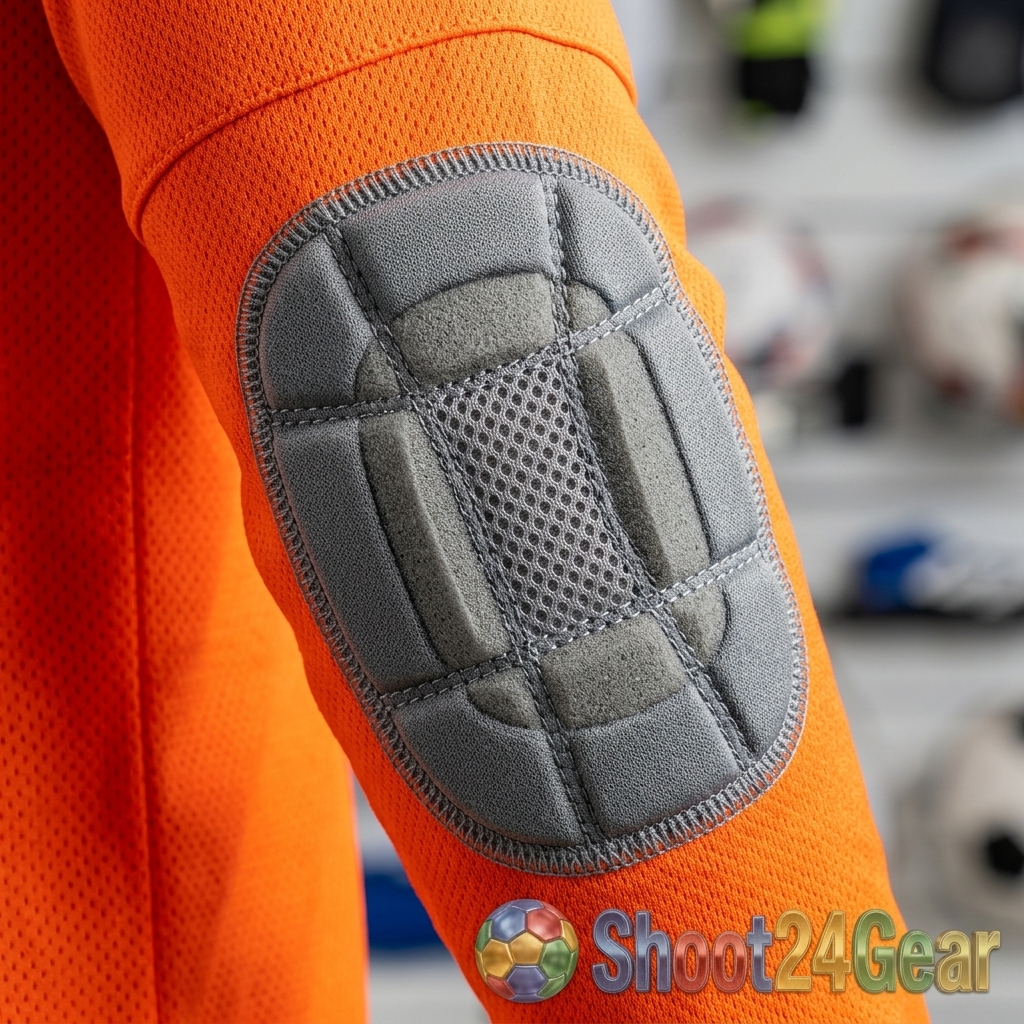
Elbow padding is the most common and arguably most important padding element in goalkeeper jerseys. The elbows are the primary ground contact point during diving saves — the goalkeeper’s body weight plus diving momentum concentrate on the elbow joint during lateral dives, creating significant impact forces even on soft natural grass surfaces.
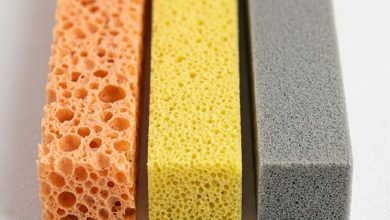
Premium goalkeeper jerseys use multi-density foam padding at the elbows. The outer layer absorbs initial impact, while the inner layer distributes the remaining force across a wider area. The padding extends around the elbow joint rather than sitting only on the outside, providing protection for the inside of the elbow during forward dives and the tip of the elbow during lateral saves.
Budget goalkeeper jerseys often use thinner, single-density foam that provides some protection but does not match the impact absorption of multi-density systems. For training where diving frequency is high, investing in a jersey with quality elbow padding significantly reduces the discomfort and bruising that accumulate over a season of regular goalkeeping.
Chest and Torso Padding
Some premium goalkeeper jerseys include chest padding that protects against direct ball impact. When a goalkeeper fails to catch a shot cleanly — particularly at close range — the ball strikes the chest with considerable force. Chest padding absorbs some of this impact, reducing the stinging sensation and potential bruising from hard shots.
Torso side padding appears in some specialized models, protecting the ribs and hip area during lateral dives. This padding is less common than elbow protection because the goalkeeper’s arms typically absorb most diving impact before the torso contacts the ground. However, on hard artificial surfaces where ground impact is more severe, torso padding provides valuable additional protection.
Shoulder Padding
Shoulder padding protects against impact during aerial challenges where the goalkeeper collides with attackers or lands on the shoulder after high catches. This padding type is relatively uncommon in standard goalkeeper jerseys but appears in some specialist models designed for physical goalkeeping styles.
Fabric Technology
Modern goalkeeper jerseys use performance fabrics that manage moisture, temperature, and comfort during the variable physical demands of goalkeeping.
Moisture management: Goalkeeping involves periods of intense activity (diving, sprinting, jumping) interspersed with periods of relative inactivity (waiting during sustained opposition possession). This variable workload creates inconsistent sweat production that requires fabrics capable of wicking moisture during active periods and providing insulation during inactive periods. Most brands use proprietary moisture-wicking fabrics — Nike’s Dri-FIT, Adidas’s AEROREADY, Puma’s dryCELL — that transport sweat away from the skin to the fabric exterior for evaporation.
Durability: Goalkeeper jerseys contact the ground surface repeatedly, creating abrasion stress that outfield shirts never experience. The fabric on the forearms, elbows, and shoulders must withstand sliding friction against grass, artificial turf, and dirt without deteriorating quickly. Reinforced fabric panels in high-wear areas — particularly around the padding zones — extend jersey lifespan for goalkeepers who train regularly.
Stretch and recovery: Goalkeeping requires extreme range of motion — full arm extension during diving saves, overhead reaches during high catches, and rapid direction changes during footwork. The jersey fabric must stretch sufficiently to accommodate these movements without restricting the goalkeeper’s reach or creating uncomfortable tension across the shoulders and arms. Four-way stretch fabrics provide the most comprehensive movement freedom.
Weight: Padding adds weight that outfield shirts do not carry. Premium goalkeeper jerseys minimize the weight impact of padding by using lightweight foam compounds and breathable mesh panels in non-padded areas. The total weight difference between a padded goalkeeper jersey and an unpadded outfield shirt is typically 80-150 grams — noticeable when handling the jersey but barely perceptible during play.
Fit Options
Goalkeeper jerseys are available in different fit profiles that affect comfort, movement, and visual appearance.
Regular fit: The most common fit for goalkeeper jerseys, providing moderate room across the torso and arms. Regular fit accommodates padding comfortably without excessive looseness, and it works for most goalkeeper body types. The extra room compared to athletic fit jerseys allows some air circulation that helps temperature regulation during play.
Slim fit: A closer-fitting option that reduces excess fabric. Slim fit goalkeeper jerseys sit closer to the body, which some goalkeepers prefer because loose fabric can interfere with arm movements or get caught during dives. The trade-off is less room for padding and less air circulation, which can feel warmer during intense activity.
Loose fit: Deliberately oversized for maximum comfort and coverage. Some goalkeepers prefer loose jerseys that do not restrict any movement and that provide maximum fabric coverage over the arms and torso. Loose fit is particularly popular among youth goalkeepers and in casual playing environments where comfort outweighs performance optimization.
Color and Design Regulations
Football laws require goalkeepers to wear colors that distinguish them clearly from outfield players on both teams, the referee, and assistant referees. This regulation creates both a practical requirement and a creative opportunity for goalkeeper jersey design.
Traditional goalkeeper colors include bright green, vivid yellow, orange, and bright blue — colors that contrast strongly with the standard dark and white kits worn by outfield players. Modern goalkeeper jersey design has expanded the palette to include pink, purple, grey, and pattern combinations that meet the distinguishability requirement while offering more visual variety.
For organized league play, goalkeepers should own at least two goalkeeper jerseys in different colors to accommodate situations where their primary color conflicts with the opposition’s kit. Many goalkeepers maintain a bright primary jersey and a darker secondary jersey to cover most color conflict scenarios.
Training goalkeeper jerseys do not need to follow match-day color regulations, which means goalkeepers can select training jerseys based purely on personal preference, fabric quality, and padding features without color considerations.
Goalkeeper Jerseys vs Outfield Shirts with Padding
Some goalkeepers — particularly at recreational level — consider wearing standard outfield shirts with separate padding accessories rather than investing in dedicated goalkeeper jerseys. This approach has notable disadvantages that make purpose-built goalkeeper jerseys the stronger choice for serious goalkeeping.
Separate padding accessories — sleeve-mounted elbow pads, for example — can shift during play, creating gaps in protection at critical moments. Integrated padding in goalkeeper jerseys is fixed in position and designed to stay aligned with the elbow joint through diving, jumping, and running movements. The integration also creates a cleaner profile without external accessories that can catch on the ground during slides.
Goalkeeper jersey fabrics are specifically selected and reinforced for ground contact. Standard outfield shirt fabrics are not designed for abrasion resistance and will deteriorate rapidly when used for goalkeeping, requiring more frequent replacement that eliminates any initial cost advantage.
Brand Comparison
Major brands approach goalkeeper jersey design with different emphases that reflect their broader product philosophies.
Nike: Goalkeeper jerseys feature Dri-FIT fabric and relatively slim fit profiles. Padding is present but typically lighter than some competitors, prioritizing range of motion and lightweight feel. Nike goalkeeper jerseys suit goalkeepers who value freedom of movement and modern aesthetics.
Adidas: Goalkeeper jerseys use AEROREADY moisture management and tend toward moderate padding levels. The fit is generally true to size with adequate room for comfortable goalkeeping movement. Adidas offers strong visual design variety in their goalkeeper jersey collections.
Puma: Goalkeeper jerseys feature dryCELL technology and often include more substantial padding than Nike’s equivalents. Puma’s goalkeeper designs balance protection with performance, appealing to goalkeepers who want meaningful impact protection without sacrificing mobility.
Specialist brands: Brands like Uhlsport and Reusch produce goalkeeper jerseys alongside their glove ranges, with jerseys designed specifically for the goalkeeping market rather than adapted from outfield ranges. These specialist jerseys often feature more comprehensive padding systems and goalkeeper-specific construction details.
Care and Maintenance
Goalkeeper jerseys require care that accounts for their padding elements and the ground contact they regularly experience.
Wash goalkeeper jerseys after every use to remove sweat, dirt, and grass stains that can degrade fabric and padding over time. Use cold or lukewarm water with mild detergent — hot water can damage padding foam and shrink performance fabrics. Turn the jersey inside out before washing to protect printed elements and reduce abrasion on the outer surface.
Air dry goalkeeper jerseys rather than using a tumble dryer. Heat damages padding foam, causing it to compress permanently and lose its protective properties. Hanging or flat drying at room temperature preserves both the fabric’s stretch properties and the padding’s impact absorption capability.
Inspect padding condition regularly. Over time and through repeated washing and use, padding foam compresses and loses its ability to absorb impact effectively. When elbow padding no longer feels cushioned when pressed between fingers — when it has flattened to the point where you can feel the fabric layers through it — the jersey’s protective function has diminished and replacement should be considered.
Playing Surface Considerations
The playing surface significantly affects how important jersey padding and fabric durability become for goalkeeper comfort and protection.
Natural grass: Soft natural grass provides inherent cushioning that reduces the impact of dives. On well-maintained grass pitches, lighter padding in goalkeeper jerseys may be sufficient because the surface absorbs a meaningful portion of the diving force. Abrasion on natural grass is moderate, and standard goalkeeper jersey fabrics handle grass surface contact without rapid deterioration.
Artificial turf: Artificial pitches are significantly harder than natural grass and create substantially more abrasion friction during slides. Goalkeepers who regularly train or play on artificial surfaces should prioritize jerseys with heavier padding and reinforced fabric in contact areas. The combination of harder impact and greater abrasion on artificial turf makes jersey quality more important than on natural grass — budget jerseys with thin padding and standard fabric deteriorate rapidly under regular artificial surface goalkeeping.
Hard ground and indoor courts: Indoor goalkeeping on hard court surfaces places the highest demand on padding quality. The zero cushioning from hard surfaces means the jersey’s padding is the only protection between the goalkeeper’s body and an unforgiving surface. Indoor goalkeepers should use jerseys with the most substantial padding available and should consider supplementary padding accessories for areas the jersey does not cover.
Long Sleeves vs Short Sleeves
Goalkeeper jerseys are predominantly long-sleeved, but short-sleeved options exist and the choice involves practical goalkeeping considerations beyond simple temperature preference.
Long sleeves: Provide fabric coverage over the forearms, which protects against abrasion during ground contact and provides a surface for sweat absorption. Long sleeves also cover the wrist area, creating a seamless transition between jersey and glove that prevents skin exposure between the two. Most professional goalkeepers wear long sleeves regardless of temperature because the protection and coverage outweigh the warmth disadvantage.
Short sleeves: Provide better cooling in hot weather and greater arm freedom for some goalkeepers. However, short sleeves expose the forearms to direct surface contact during dives, which creates abrasion burns on artificial turf and hard surfaces. Short-sleeved goalkeeper jerseys are most appropriate for warm-weather natural grass environments where the abrasion risk is minimal and cooling is a genuine priority.
Match vs Training Jerseys
Maintaining separate match and training goalkeeper jerseys extends the lifespan of match-quality jerseys and reduces overall equipment cost over a season.
Match jerseys should prioritize visual quality, compliance with league regulations, and fresh appearance. Training jerseys should prioritize durability and padding quality for the high-volume ground contact of training drills. An older match jersey that has accumulated visible wear and staining transitions naturally to training duty when a replacement match jersey is acquired.
Training goalkeeper jerseys do not need to match team colors or league regulations, so they can be selected purely on functional merit — best padding, most durable fabric, and most comfortable fit, regardless of color or visual appeal. This functional-first selection approach for training jerseys ensures maximum protection during the sessions that involve the most diving and ground contact.
Selecting the Right Goalkeeper Jersey
When choosing a goalkeeper jersey, prioritize these factors in order of importance for serious goalkeeping.
Padding quality and placement: Check that elbow padding is substantial, well-positioned, and extends sufficiently around the joint. This is the primary functional feature that distinguishes a goalkeeper jersey from a colored outfield shirt.
Fabric quality: Look for reinforced fabric in the forearm and elbow areas that will withstand repeated ground contact. Feel the stretch and recovery of the fabric to ensure adequate range of motion for your diving and reaching movements.
Fit: Try the jersey on and simulate diving and reaching movements. The jersey should not restrict your arm extension or ride up during simulated saves. Padding should stay aligned with your elbows during arm movement rather than shifting when you raise or lower your arms.
Layering Strategy for Cold Weather
In cold weather, goalkeeper jersey selection intersects with layering strategy. Goalkeepers cannot simply wear heavy winter clothing under their jersey without affecting movement and padding alignment.
The recommended cold-weather approach is a thin, moisture-wicking base layer worn beneath the goalkeeper jersey. This base layer provides thermal insulation without adding bulk that interferes with padding placement or arm movement. Compression base layers work particularly well because their tight fit sits smoothly under the jersey without bunching or shifting during dives.
Avoid wearing thick sweatshirts or hoodies under goalkeeper jerseys. The bulk displaces padding from its designed position, the loose fabric can bunch during dives creating uncomfortable pressure points, and the additional weight reduces arm speed during reactions. A thin thermal base layer provides significantly better cold-weather comfort than a bulky mid-layer while preserving the goalkeeper jersey’s protective and movement characteristics.
Neck coverage deserves attention in cold weather. Some goalkeeper jerseys include mock neck or half-zip collar designs that provide neck insulation. If the jersey does not include neck coverage, a thin athletic neck warmer provides warmth without the safety risk of loose scarves that could catch during play.
Color compliance: Ensure the jersey color meets your league’s distinguishability requirements and does not conflict with your team’s outfield kits or the kits of likely opponents.
Product specifications, padding technologies, fabric systems, and available colorways all change between jersey generations and retail seasons. Always verify current offerings, sizing availability, and pricing on official brand websites before making any purchasing decisions for your goalkeeper apparel.