Sells occupies a unique position in the goalkeeper glove market as a specialist brand that focuses exclusively on goalkeeping equipment. While mainstream sportswear brands like Nike, Adidas, and Puma produce goalkeeper gloves as one product category among many, Sells — like Reusch and Uhlsport — dedicates its entire product development, research, and manufacturing expertise to goalkeeping. This deep and focused specialization creates products with a fundamentally different design philosophy than generalist brands, with significant implications for both on-pitch performance and overall value that goalkeepers of all levels should understand when making their equipment purchasing decisions.
This comprehensive overview examines Sells’ distinctive approach to goalkeeper glove design and development, their key proprietary technologies and product ranges, and where the brand fits within the broader and increasingly competitive goalkeeper glove market for goalkeepers who are considering their options beyond the widely available mainstream alternatives.
Brand Heritage and Philosophy
Sells was founded with the specific mission of providing goalkeeper equipment, built on the understanding that goalkeeping requires purpose-designed tools rather than adaptations of general sportswear products. This focused, mission-driven foundation profoundly influences every single aspect of the brand’s comprehensive product approach and development strategy — from material selection to construction methods to the range of options they offer.
The brand’s philosophy centers on the belief that grip quality should be the primary design priority, with all other features supporting rather than competing with palm performance. This grip-first approach means Sells invests proportionally more of their development resources in latex formulation and palm construction than in visual design or brand marketing — a notable contrast with mainstream sportswear brands where marketing and promotional budgets frequently equal or exceed their actual product research and development budgets.
Sells’ distinctive professional endorsement strategy focuses on working extensively and closely with professional goalkeepers across multiple leagues and competitive levels to develop and refine gloves based on detailed, direct feedback from actual match-level use at the highest competitive standard. This professional-to-consumer development pipeline means Sells’ product improvements originate from real goalkeeping challenges rather than from marketing trend analysis or aesthetic fashion cycles.
Total Contact Technology
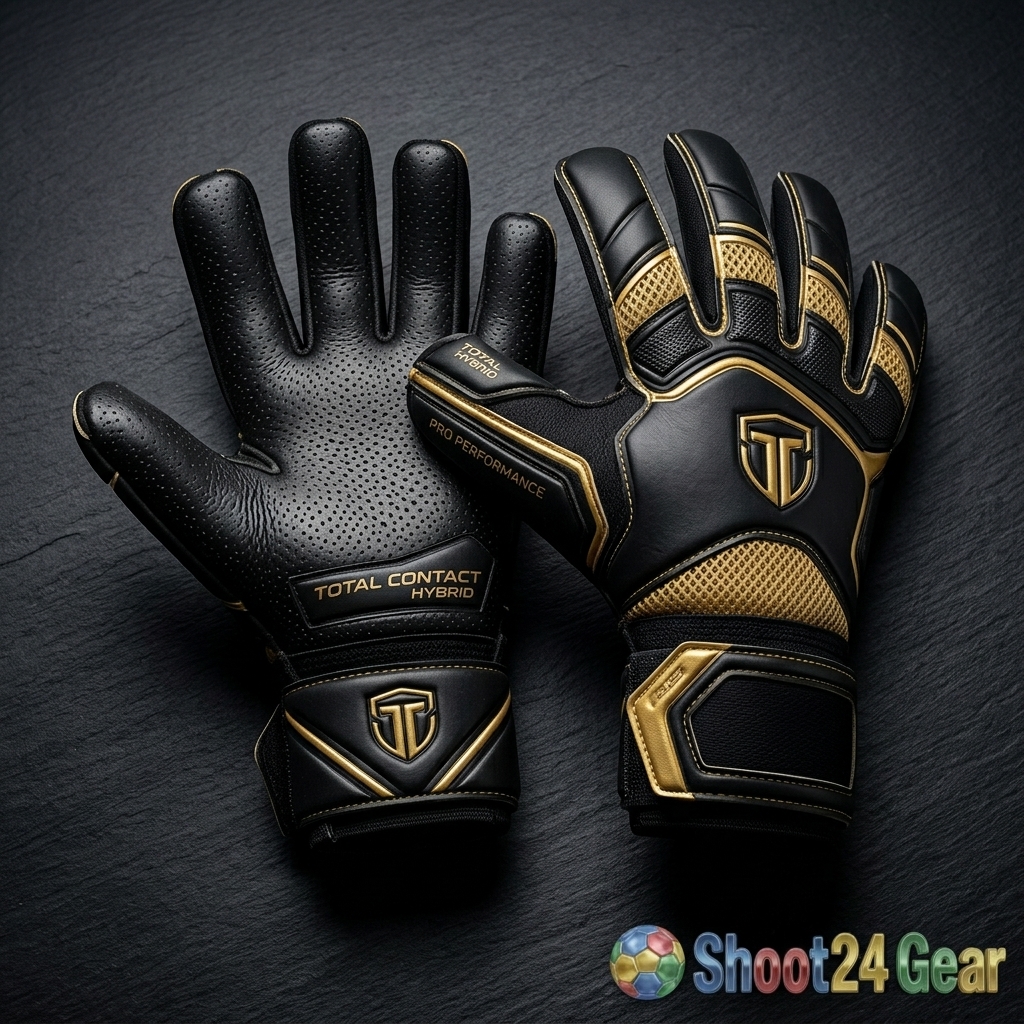
Sells’ signature technology — Total Contact — represents the brand’s approach to maximizing the contact area between the glove palm and the ball. The core technology specifically focuses on identifying and systematically reducing any gap, dead space, or inconsistency between the goalkeeper’s natural hand surface and the latex foam layer, ensuring that the goalkeeper’s catching force translates directly into latex-to-ball friction.
Total Contact construction uses internal foam density variations to shape the palm around the natural contours of the hand. Areas where the hand naturally creates gaps — the center of the palm, the base of the fingers — receive lower-density foam that compresses more readily, bringing the latex surface closer to the hand in these zones. The practical result is a significantly more uniform and effective contact plane distributed across the entire palm surface area during catching and saving situations.
The practical effect of Total Contact is improved catch security. When every part of the palm makes consistent contact with the ball, the grip is distributed more evenly rather than concentrating on the fingertips and the edges of the palm where traditional gloves make their strongest contact. This improved grip distribution significantly reduces the chance of the ball squeezing through unprotected gaps in the catching surface — particularly beneficial during hard shots where the ball deforms the latex unevenly.
Latex Formulations
Sells uses proprietary latex compounds across their glove range, with different formulations optimized for different use cases and price points.
Pro Aqua: Sells’ premium wet weather latex, designed for maximum grip in rainy conditions. The Aqua compound uses an open-cell structure that manages water effectively, maintaining grip performance in conditions where standard latex degrades significantly. Pro Aqua represents one of the strongest wet weather solutions available from any brand, particularly valued by goalkeepers in consistently rainy climates.
SGP (Sells Grip Performance): The brand’s flagship all-conditions latex. SGP provides strong grip in dry conditions while maintaining reasonable performance in light to moderate rain. As a versatile all-purpose compound, SGP particularly suits goalkeepers who want a single glove for varied conditions without the specialization trade-offs of dedicated weather-specific latex.
Contact: Sells’ mid-range latex designed for the match-training crossover role. Contact latex balances grip with durability, providing adequate match performance combined with the resilience needed for regular training use. This compound represents the best value option for goalkeepers who cannot maintain separate match and training pairs.
D3O Impact: Sells offers gloves incorporating D3O smart material — a substance that remains flexible during normal movement but hardens on impact. This technology provides impact protection without the constant stiffness of traditional padding materials, representing a genuinely innovative and forward-thinking approach to backhand protection and impact absorption that other goalkeeper glove brands have not yet widely adopted across their own product ranges.
Product Range Structure
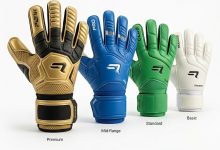
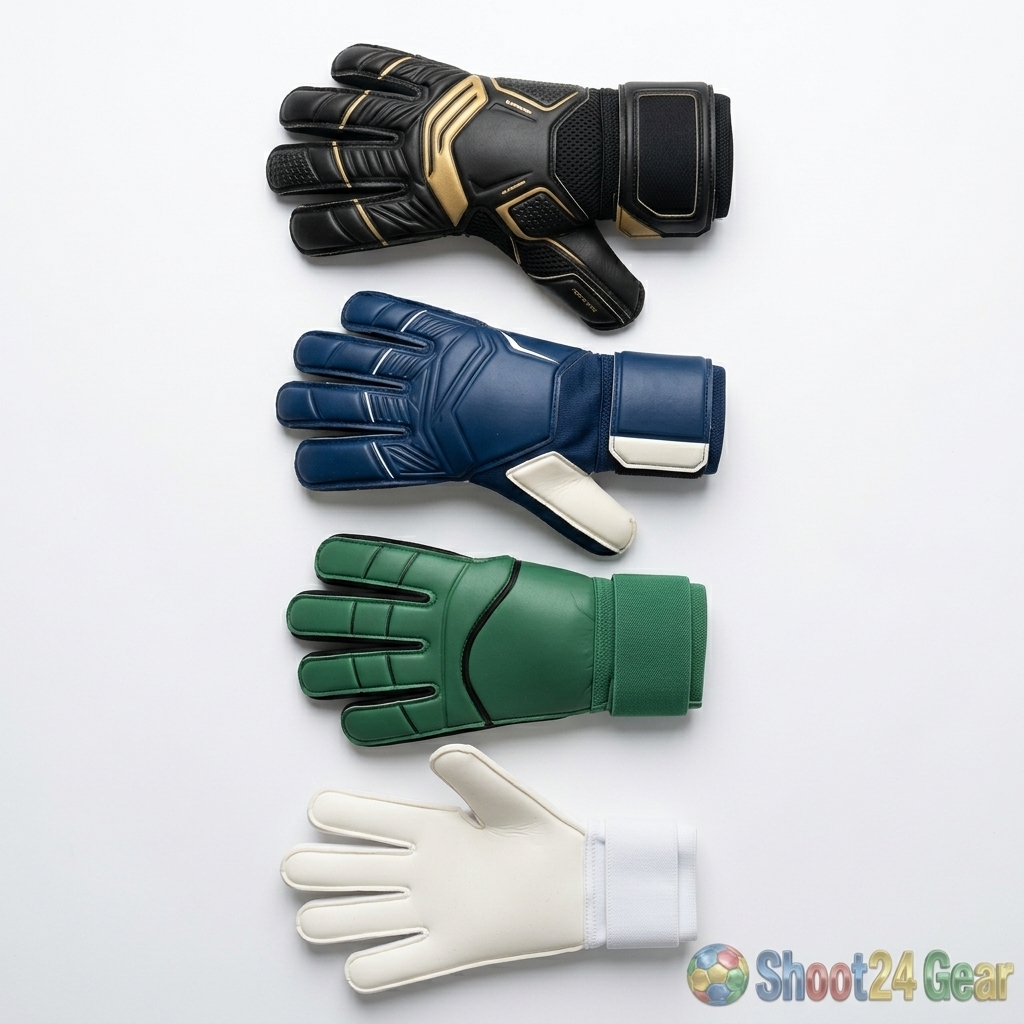
Sells structures their glove range around performance tiers and specific use cases, providing options for different goalkeeper needs and budget levels.
Pro Tier: The highest-performance models featuring premium SGP or Pro Aqua latex, Total Contact construction, and the most refined cut options. Pro tier Sells gloves compete directly with the flagship models from Reusch, Uhlsport, and major brand alternatives. These are dedicated match-day gloves designed for competitive goalkeeping at serious amateur, semi-professional, and potentially professional levels where grip quality directly influences match outcomes.
Elite Tier: High-quality gloves positioned slightly below the Pro tier in latex quality and construction refinement. Elite models provide genuinely competitive match-level performance at a meaningfully lower price point than the Pro range, making them particularly strong options for competitive goalkeepers who want the specialist brand quality and expertise without the premium pricing that accompanies the Pro tier flagship models.
Technical Tier: Mid-range gloves using Contact latex and simplified construction. These serve as primary gloves for recreational goalkeepers and as training gloves for competitive goalkeepers who use Pro or Elite models for matches.
Wrap Tier: Entry-level and junior gloves with basic latex and durable construction. Wrap models deliberately prioritize maximum value and construction longevity, suitable for training, casual goalkeeping, and young goalkeepers who need functional gloves without premium features.
Sells vs Mainstream Brands
The comparison between Sells and mainstream brands like Nike and Adidas involves trade-offs that depend on the goalkeeper’s priorities.
Grip quality: Sells’ specialist focus on latex development means their premium compounds compete effectively with or exceed the grip performance of mainstream brands’ best latex. The SGP compound provides comparable dry-weather grip to Adidas’s URG and Nike’s Contact foam, while the Pro Aqua wet weather compound outperforms mainstream brands’ rain solutions. Specialist brands like Sells consistently push latex performance boundaries further and faster because glove performance is their primary and most critical competitive differentiator in the marketplace.
Technology innovation: Mainstream brands have larger research budgets and can invest in broader technology portfolios. Nike’s ACC treatment and Adidas’s Demonskin represent innovations that specialist brands have not replicated. However, Sells’ Total Contact and D3O integration demonstrate that specialist brands can innovate in targeted areas where their focused expertise provides advantages.
Availability: Mainstream brands benefit from global retail distribution — Nike and Adidas gloves are available in sports shops worldwide. Sells relies considerably more heavily on direct online sales and specialist goalkeeper equipment retailers for their distribution, which inevitably means that physically trying gloves on before making a purchase is more difficult than with mainstream alternatives. For goalkeepers who need to physically try gloves before buying, mainstream brands’ retail presence provides a practical advantage.
Value positioning: Sells often provides comparable or demonstrably superior performance to equivalent mainstream brand offerings at equivalent or noticeably lower price points across all their product tiers. Specialist brands’ lower marketing costs mean more of the product price supports materials and construction quality. This value advantage is particularly notable and well-documented at the mid-range level, where Sells’ Technical tier consistently and often significantly outperforms mainstream brands’ equivalent mid-range offerings in terms of latex grip quality, construction durability, and overall functional performance per unit of cost.
Sizing and Fit
Sells gloves tend toward a slightly roomier fit compared to the industry average. Goalkeepers transitioning from Nike or Reusch — brands that fit on the tighter side — may find Sells’ cut more generous through the fingers and palm. This wider fit accommodates more hand shapes comfortably but means goalkeepers who prefer very tight-fitting gloves may need to size down or choose negative cut models that provide inherently tighter fits within the brand’s sizing framework.
Sells publishes a detailed size chart on their website that maps hand circumference to glove sizes. As with all brands, measuring your hand and consulting the specific chart provides more reliable size selection than assuming cross-brand equivalence. Sells’ customer service is noted for responsive sizing guidance — contacting the brand directly with measurements for personalized sizing advice is a practical option for first-time Sells buyers.
Care and Longevity
Sells gloves respond well to standard goalkeeper glove care protocols. The latex compounds maintain their grip characteristics effectively when washed after every use and air dried at room temperature. Sells publishes specific care guidance for their different latex compounds, acknowledging that different formulations may have slightly different optimal care approaches.
The D3O material in select Sells models requires no special care beyond standard glove maintenance. The smart material maintains its impact-responsive properties through normal washing and drying cycles without degradation from standard care processes.
Who Should Consider Sells
Sells gloves are not for every goalkeeper — they serve specific needs particularly well while being less suited for others.
Performance-focused goalkeepers: Goalkeepers who prioritize grip quality and catching performance above brand recognition and visual design find strong value in Sells’ specialist approach. If your primary selection criterion is how well the glove performs during saves rather than how it looks or which professional wears the brand, Sells consistently delivers genuine performance quality that thoroughly justifies investigation and direct comparison testing alongside your current preferred brand.
Wet weather goalkeepers: Goalkeepers who regularly play in rainy conditions should seriously evaluate Sells’ Pro Aqua compound. The wet weather performance of Sells’ aqua latex ranks among the best available from any brand, and goalkeepers in consistently wet climates may find that Sells’ rain gloves outperform their primary brand’s wet weather alternative.
Value-conscious competitive goalkeepers: Goalkeepers who compete at levels requiring quality equipment but who want to maximize performance per pound or dollar spent often find Sells provides better value than mainstream alternatives. The specialist brand’s lower marketing overhead means more of your purchase price supports materials and construction rather than brand promotion.
Goalkeepers seeking variety: Even goalkeepers loyal to mainstream brands benefit from testing specialist alternatives like Sells. Different latex compounds and construction approaches create different feel characteristics, and some goalkeepers discover that a specialist brand’s approach suits their hand shape and catching style better than the mainstream option they have been using by default.
Climate and Playing Condition Matching
Sells’ range includes condition-specific options that allow goalkeepers to match their glove to their primary playing environment with precision.
Dry, warm climates: The SGP compound provides strong all-conditions performance that excels in dry weather. Goalkeepers in consistently dry and warm environments can confidently rely on the SGP compound as their primary and potentially only match compound without needing specialized wet weather alternative gloves.
Wet, temperate climates: The Pro Aqua compound is specifically designed for climates where rain is a regular occurrence. Goalkeepers in northern European climates, tropical regions, or any environment where more than a third of matches are played in wet conditions should consider Pro Aqua as their primary or supplementary match compound.
Variable climates: Goalkeepers who experience wide weather variation across their season benefit from Sells’ range breadth — SGP for dry matches, Pro Aqua for wet matches, and Contact for training across all conditions. The ability to match compound to conditions from a single brand simplifies equipment management while optimizing performance for each weather scenario.
Purchasing and Availability
Sells primarily sells through their own online store and through specialist goalkeeper equipment retailers. This distribution model means Sells gloves are rarely available in general sports shops — goalkeepers interested in the brand should expect to purchase online or visit specialist retailers that stock goalkeeper-specific equipment.
The online purchasing process benefits significantly from Sells’ exceptionally detailed product descriptions and specifications, which include specific latex compound information, comprehensive cut details, intended use case recommendations, and precise sizing guidance for each individual model in their range. This level of product detail exceeds what many mainstream brands provide, helping online buyers make informed selections without physical try-on.
Sells typically offers competitive pricing compared to equivalent-quality mainstream alternatives. Periodic seasonal sales events and direct-to-consumer pricing strategies through their website often provide additional value compared to purchasing mainstream brands through third-party retailers who add their own margins.
Return policies for online purchases should be verified before ordering, as they vary between retailers and direct purchases from the Sells website. Given the importance of glove fit and the difficulty of assessing fit from online descriptions alone, a clear return or exchange policy is particularly important for first-time Sells buyers who do not yet know their size and fit preferences within the brand’s range.
Community and Professional Presence
Sells maintains an active presence in the goalkeeping community through sponsorships, coaching partnerships, and content creation. The brand’s engagement with the goalkeeper community extends beyond simple product endorsement — Sells regularly publishes educational content about glove technology, care guidance, and goalkeeper-specific training insights through their website and social media channels.
This community-focused approach creates a different relationship between brand and consumer compared to mainstream brands. Goalkeepers who purchase Sells gain access to a specialist community and educational resources that complement the equipment investment with knowledge development — an additional and meaningful value dimension that genuinely transcends the physical product itself.
Summary
Sells represents the specialist alternative in the goalkeeper glove market — a brand that channels all its expertise and resources into one product category rather than spreading them across multiple sports and equipment types. The tangible result is a carefully developed product range that consistently delivers competitive or demonstrably superior performance compared to mainstream alternatives, often at comparable or better value, with targeted technology innovations that directly reflect decades of focused goalkeeper-specific development and deep expertise in the position.
For goalkeepers who prioritize grip performance and specialist expertise over mainstream brand recognition and retail convenience, Sells merits serious consideration alongside other specialist brands like Reusch and Uhlsport. The brand’s innovative Total Contact technology, diverse and purpose-developed latex range, and community-focused approach all provide genuine and measurable performance advantages that reward goalkeepers who invest time in understanding and selecting the right model for their specific needs.
Product ranges, latex formulations, technology features, and available models all change between Sells product generations as the brand continues developing and refining its goalkeeper-specific equipment. Always verify current product offerings, specifications, pricing, and availability on the official Sells website before making any purchasing decisions for your goalkeeper glove equipment.