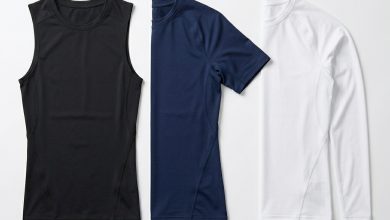
Dri-FIT is Nike’s signature moisture management technology — the engineered fabric system that transports perspiration away from the skin surface through the fabric structure to the exterior face, where it spreads across a wider area for rapid evaporation. First introduced in 1991, Dri-FIT has evolved through multiple generations of refinement to become the most recognized moisture-wicking technology name in sports apparel, applied across Nike’s entire football range from base layers to training jackets, match kits to casual team apparel.
This guide examines how Dri-FIT technology works at the fabric level, the different Dri-FIT variants applied across Nike’s football product range, how Dri-FIT compares to competing moisture management technologies, and the practical care requirements that maintain Dri-FIT performance throughout a garment’s useful lifespan. Understanding this technology in detail helps footballers at all levels make genuinely informed decisions about Nike apparel and objectively evaluate whether Dri-FIT’s specific characteristics and performance capabilities suit their individual performance requirements and budget constraints.
How Dri-FIT Works
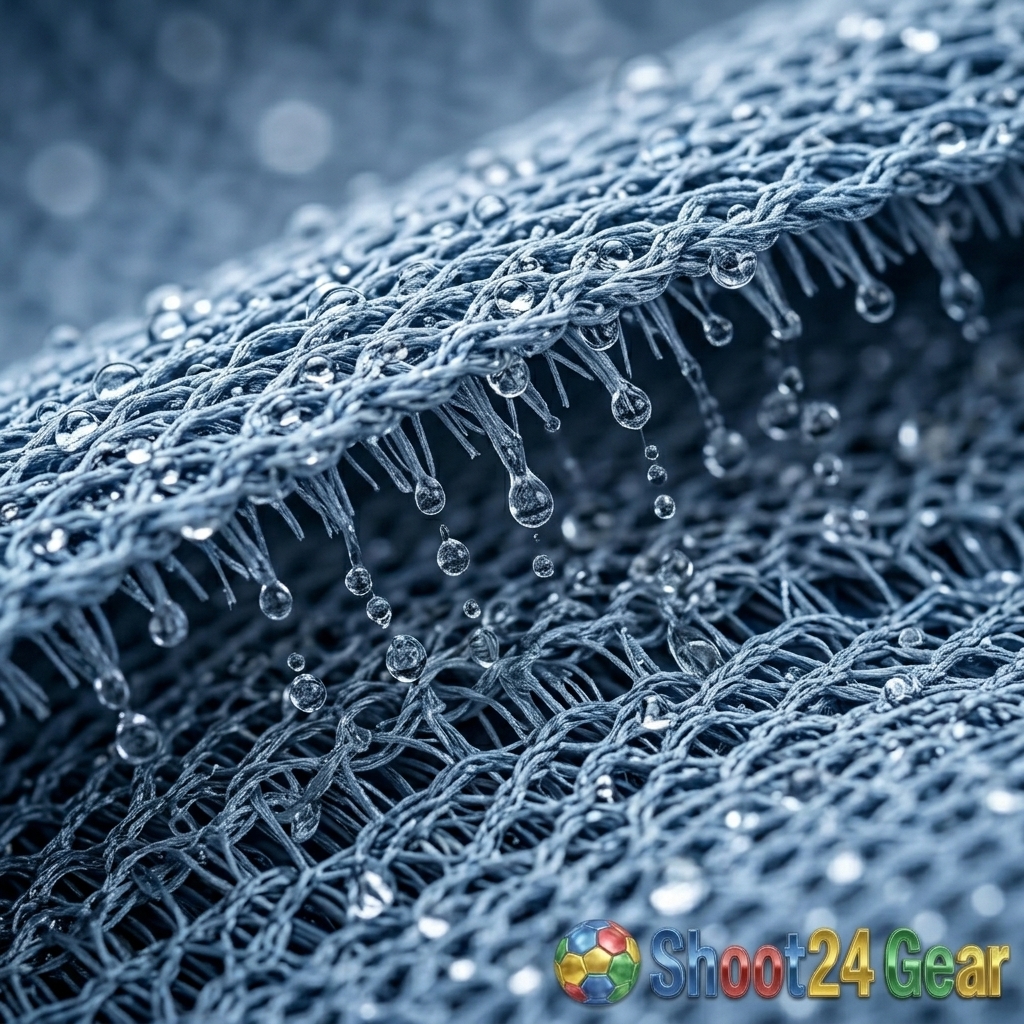
Dri-FIT’s moisture management relies on engineered microfiber polyester yarns with specific cross-sectional shapes that create capillary channels within the fabric structure. These capillary channels transport moisture efficiently through the fabric via capillary action — the same physical principle that draws water upward through plant stems and paper towels.
The process follows a predictable sequence during athletic activity. As sweat reaches the fabric surface in contact with the skin, the microfiber structure captures the moisture before it can pool or drip. The capillary channels then transport this captured moisture outward through the fabric thickness to the exterior face. On the exterior surface, the moisture spreads across a larger area than the original sweat patch, effectively increasing the total surface area available for rapid evaporation. This spreading action accelerates the evaporation process, effectively drying the garment and the skin beneath it during continuous activity.
The critical design element is that Dri-FIT fabric does not absorb moisture into the fiber structure itself — unlike cotton, which absorbs water into its natural fibers and becomes heavy, cold, and slow to dry. Dri-FIT’s synthetic microfibers transport moisture on their surfaces rather than within their structure, maintaining the fabric’s lightweight feel and allowing rapid drying once evaporation occurs at the exterior surface.
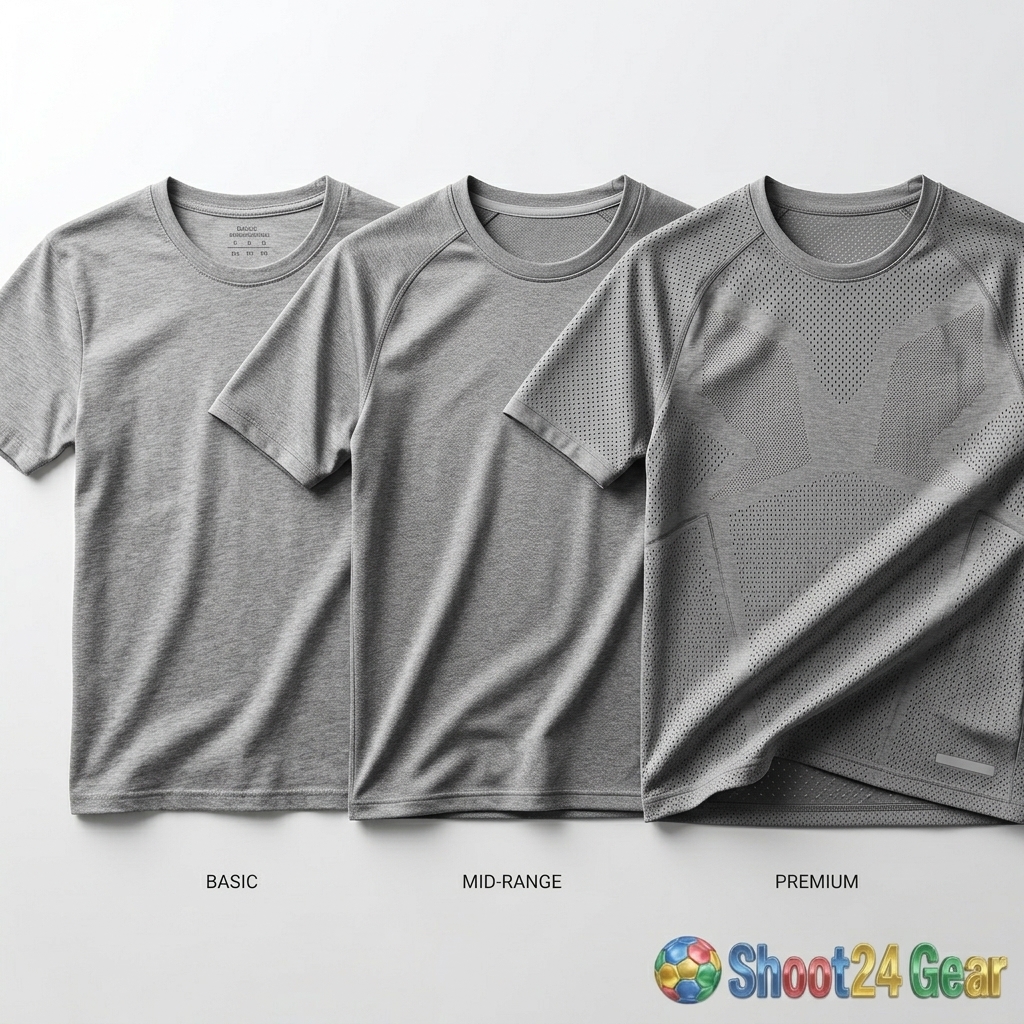
Dri-FIT Product Tiers
Dri-FIT (Standard)
The base-level Dri-FIT technology applied across Nike’s core football range, including the Academy collection. Standard Dri-FIT provides reliably effective moisture wicking for training and match use, delivering the fundamental sweat management capability that keeps footballers noticeably drier and more comfortable than cotton alternatives. This tier represents the minimum moisture management specification across all Nike football performance apparel.
Dri-FIT ADV
An advanced variant that uses engineered knit patterns to create targeted ventilation zones within the fabric structure. Dri-FIT ADV places higher-airflow knit patterns in areas of greatest heat generation — the chest, back, and underarms — while maintaining structural fabric in areas that require more support. This zonal approach provides more sophisticated temperature and moisture management than standard Dri-FIT, though the practical difference is most noticeable during sustained high-intensity activity rather than moderate training.
Dri-FIT Strike
Applied to Nike’s Strike range — the tier between Academy and Elite — Dri-FIT Strike uses enhanced fabric construction that provides faster moisture transport and improved breathability compared to standard Dri-FIT. The Strike tier represents the best balance of performance and value within Nike’s football range for serious footballers who want above-average moisture management without the premium pricing of elite-level products.
Application Across Football Apparel
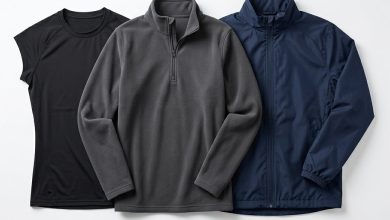
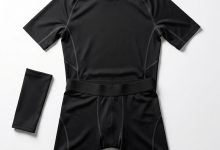
Base layers and compression: Dri-FIT in compression garments and compression shorts provides moisture management at the skin-contact level where sweat management is most critical. The tight fit of compression garments maximizes Dri-FIT effectiveness by ensuring consistent skin contact across the garment’s entire surface area.
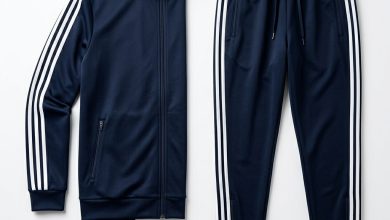
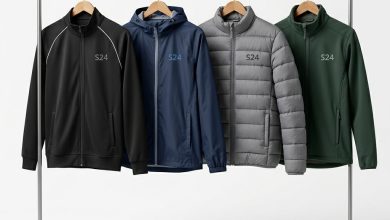
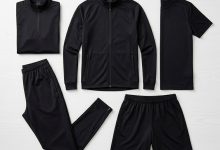
Training tops and jackets: Dri-FIT in training jackets and mid-layers manages the moisture that passes through from base layers beneath, preventing accumulation between clothing layers that creates dampness and discomfort. The technology’s effectiveness in outer layers depends on fabric weight and construction — lighter fabrics allow faster moisture transport than heavier constructions.
Match kits: Nike match kits for professional and amateur teams use Dri-FIT technology calibrated for the specific demands of competitive match play — high-intensity, sustained activity with limited opportunity for garment adjustment. Match kit Dri-FIT prioritizes rapid moisture transport and maximum breathability to maintain player comfort throughout ninety-minute match conditions.
Casual and presentation wear: Polo shirts and casual team apparel use Dri-FIT to provide moisture management in non-training contexts where standard performance is adequate. The technology effectively prevents the uncomfortable dampness and visible sweat marks that cotton casual wear creates during warm weather team travel situations and formal presentation events.
Dri-FIT vs Competing Technologies
vs Adidas AEROREADY: Comparative testing shows Dri-FIT and AEROREADY provide functionally equivalent moisture management performance during football training conditions. Both technologies use synthetic microfiber construction to transport moisture via capillary action, and the performance differences between them are negligible in real-world football use. The choice between Dri-FIT and AEROREADY is properly a brand, fit, and overall design preference decision rather than a meaningful technology performance decision.
vs Puma dryCELL: dryCELL uses the same fundamental moisture management mechanism as Dri-FIT and performs comparably in football training conditions. Puma’s typically lower pricing at equivalent technology levels makes dryCELL a value-oriented alternative for footballers who prioritize performance over brand without meaningful moisture management compromise.
vs Under Armour HeatGear/ColdGear: Under Armour’s technologies provide comparable moisture wicking to Dri-FIT in warm-weather applications (HeatGear) and superior thermal insulation in cold-weather applications (ColdGear). Under Armour’s compression heritage creates a marginal advantage in compression-specific applications where consistent skin contact optimizes moisture transport.
vs Adidas Climacool: Climacool focuses on active cooling through ventilation zone engineering rather than purely on moisture wicking. In hot-weather football, Climacool’s active cooling approach may provide marginally better heat management than standard Dri-FIT, though Dri-FIT ADV’s comparable zonal ventilation approach substantially closes this gap in Nike’s higher-tier performance products.
Care Requirements
Maintaining Dri-FIT performance requires specific care practices that preserve the microfiber structure and capillary channels responsible for moisture transport.
Washing: Machine wash cold on a gentle cycle with mild liquid detergent. Avoid powder detergents that can leave residue in the microfiber channels, reducing moisture transport capability. Turn garments inside out before placing them in the washing machine to protect the outer face and any printed or embroidered design elements from abrasion damage during the wash cycle.
Fabric softener prohibition: Fabric softener is the single most damaging care product for Dri-FIT performance. Softeners coat the microfiber surfaces with a waxy film that blocks the capillary channels responsible for moisture transport. Even a single accidental wash with fabric softener can noticeably and immediately reduce Dri-FIT effectiveness and moisture transport performance. If fabric softener has been accidentally used, Multiple consecutive hot water washes without any detergent can partially restore performance by gradually removing the softener coating, but prevention is always strongly preferable to attempted remediation after the fact.
Drying: Air dry when possible. If using a tumble dryer, always select the lowest available heat setting. High heat damages the microfiber structure and can cause permanent deformation of the capillary channels that Dri-FIT depends on for moisture transport. The marginal convenience of high-heat drying is simply not worth the cumulative and irreversible degradation of the technology’s moisture management performance over the garment’s intended useful lifespan.
Odor management: Dri-FIT garments can retain body odor despite appearing clean after washing. The synthetic microfibers trap odor-causing bacteria that standard cold washing may not fully eliminate. Periodic overnight soaking in a white vinegar solution (one cup per gallon of water) for thirty minutes before washing effectively neutralizes retained odor without damaging the Dri-FIT technology.
Common Misconceptions
“Dri-FIT keeps you dry”: Dri-FIT manages moisture — it does not prevent sweating or keep skin completely dry during intensive activity. The technology accelerates moisture transport and evaporation, reducing the duration and intensity of perceived dampness, but footballers will still experience noticeable sweat during high-intensity training sessions and competitive matches. The correct and realistic expectation is drier and noticeably more comfortable than cotton alternatives, not completely dry during intensive athletic activity.
“All Dri-FIT is the same”: The Dri-FIT brand encompasses multiple performance tiers with meaningful differences in moisture transport speed, breathability, and construction quality. Standard Dri-FIT in an Academy training top performs differently from Dri-FIT ADV in a Strike match shirt. Understanding the tier system helps set appropriate performance expectations for each product.
“Dri-FIT lasts forever”: Dri-FIT performance degrades over time through normal use and washing. The microfiber structure gradually deteriorates, reducing moisture transport efficiency. Garments typically maintain effective Dri-FIT performance for twelve to twenty-four months of regular training use with proper care. After this period, the technology’s effectiveness diminishes noticeably, and garment replacement should be considered for performance-critical applications.
Dri-FIT Evolution
Understanding Dri-FIT’s development history provides context for the current technology and its position in the broader moisture management landscape.
First-generation Dri-FIT (1991) used basic polyester microfibers that provided significant moisture management improvement over cotton but lacked the sophisticated engineering of current versions. Subsequent generations refined the microfiber cross-sections, introduced antimicrobial treatments, and developed the zonal ventilation concepts that now distinguish higher-tier Dri-FIT ADV products.
Current Dri-FIT represents approximately thirty years of iterative refinement. Each generation has improved moisture transport speed, breathability, fabric weight-to-performance ratio, and durability through washing. The cumulative effect of this sustained development investment is a technology that is substantially more effective and refined than its original form and continues to evolve with each product generation cycle.
Nike’s investment in Dri-FIT research and development reflects the technology’s importance to their product ecosystem. Dri-FIT is applied to approximately ninety percent of Nike’s performance football apparel, making moisture management a fundamental and non-negotiable pillar of their complete football product strategy rather than a supplementary premium feature applied selectively to higher-tier products only.
Value Assessment
Evaluating Dri-FIT’s value requires comparing the cost premium of Dri-FIT products over non-performance alternatives against the practical benefit that moisture management provides during football use.
Training frequency impact: Footballers who train three or more times per week experience the greatest benefit from Dri-FIT technology because the moisture management advantages are realized more frequently, providing more cumulative comfort improvement per unit of investment. For weekly recreational players, the comfort improvement still exists but represents a higher cost per occasion of use.
Climate impact: Dri-FIT provides more pronounced benefits in warm and humid climates where sweat production is highest and the consequences of poor moisture management are most uncomfortable. In cooler, drier climates, the moisture management benefit is less dramatic, though still present and noticeable during intensive training sessions where body heat generation creates significant perspiration regardless of ambient temperature.
Alternative comparison: Budget training apparel without branded moisture management technology from retailers like Decathlon and other sports chains provides basic moisture wicking using similar polyester construction at substantially lower pricing. While these alternatives may not match Dri-FIT’s refined performance, the functional gap between budget polyester training wear and Dri-FIT is smaller than the gap between cotton and any polyester alternative. Budget-conscious footballers should always prioritize any synthetic fabric over cotton, with Dri-FIT representing a performance upgrade worth the premium for serious players.
Sustainability in Dri-FIT Production
Nike has progressively incorporated recycled materials into Dri-FIT production. Current Dri-FIT garments increasingly use recycled polyester derived from post-consumer plastic bottles. This recycled content meets precisely the same performance specifications as virgin polyester — the moisture management properties of recycled-content Dri-FIT are identical to those produced from virgin materials.
Nike’s Move to Zero sustainability initiative includes commitments to reduce waste and carbon emissions in Dri-FIT production. For environmentally conscious consumers, the incorporation of recycled materials provides additional justification for Dri-FIT purchases beyond the performance benefits, particularly when compared to conventional cotton alternatives whose agricultural water consumption, pesticide use, and processing chemicals create significant and well-documented environmental impact.
Football-Specific Benefits
While Dri-FIT serves multiple sports, its benefits are particularly relevant to football’s specific activity patterns and environmental conditions.
Intermittent intensity management: Football alternates between sprinting, jogging, walking, and standing — creating variable sweat production rates that challenge moisture management systems. Dri-FIT’s continuous capillary transport mechanism handles these intensity transitions without the pooling and sudden dampness that occurs with less effective fabrics during the transitions between high and low activity levels.
Training duration compatibility: Football training sessions typically last ninety minutes to two hours — long enough for moisture management performance to significantly affect comfort in the second half of the session. Dri-FIT’s sustained and reliable transport mechanism maintains its effectiveness throughout standard session duration without the fabric saturation that less effective fabrics experience after sixty minutes of continuous sweat production.
Layering compatibility: Football’s layering approach — base layer, training top, jacket — requires moisture to pass through multiple garment layers efficiently. Dri-FIT’s engineering specifically addresses multi-layer moisture transport, ensuring sweat captured at the base layer level can transit through subsequent Dri-FIT layers to reach the outermost surface for evaporation. This layering compatibility is optimized when all layers use Dri-FIT technology, creating a consistent moisture transport chain from skin to external surface.
Purchasing Guide
For budget-conscious players: Academy range with standard Dri-FIT provides effective moisture management at the most accessible pricing within Nike’s range. For most training purposes, Academy-level Dri-FIT is entirely adequate and represents the best value entry point to Nike’s moisture management technology.
For serious competitive players: Strike range with enhanced Dri-FIT construction provides measurably better moisture transport than Academy products at moderate premium pricing. The Strike tier offers the optimal balance of performance and value for footballers who train frequently and want above-average moisture management.
For teams: Team orders typically use Academy or Strike tier depending on budget. The consistent Dri-FIT application across both tiers ensures all squad members receive effective moisture management regardless of the tier selected for team outfitting. Verify team ordering pricing through Nike’s official teamwear channels for potential volume discount availability and customization options.
Summary
Nike Dri-FIT technology provides effective moisture management for football apparel through engineered microfiber construction that transports sweat from the skin to the fabric exterior for accelerated evaporation. The technology is applied across Nike’s complete football range in multiple carefully calibrated performance tiers, providing appropriate options for every budget level and performance requirement. Dri-FIT performs comparably to competing moisture management technologies from Adidas, Puma, and Under Armour — the practical differences between brands are minimal in real-world football conditions.
Maintain Dri-FIT performance through proper care — cold washing, no fabric softener, low-heat or air drying — and expect gradual performance degradation over twelve to twenty-four months of regular use. Replace garments when moisture management performance noticeably declines during training and match use.
Product ranges, Dri-FIT tier specifications, available technologies, and specific product pricing all change between seasons and product generations as Nike continues developing their moisture management technology and expanding its application across football apparel categories. Always verify current offerings, specifications, and pricing on the official Nike website or through authorized retail partners before making any purchasing decisions for your individual or team football apparel.