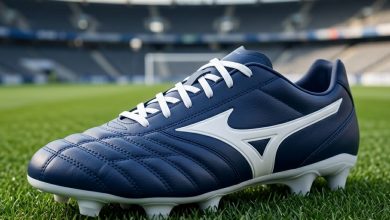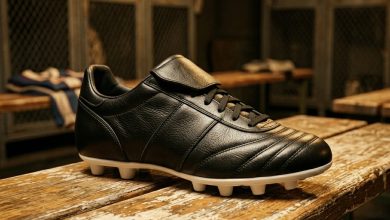
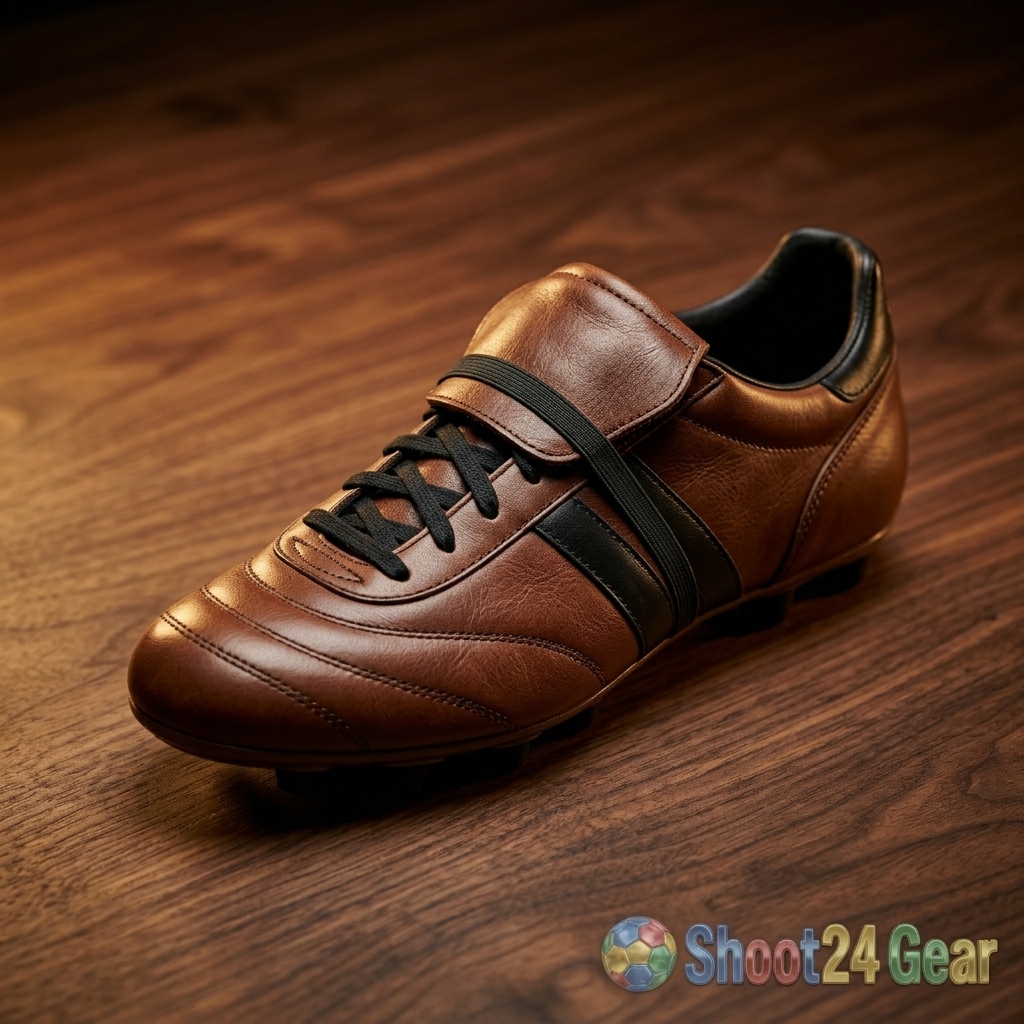
Leather football boots occupy a strange position in modern football. Most major brands have moved decisively toward synthetic uppers — lighter, cheaper to manufacture, more consistent in wet weather, and easier to produce in large quantities. Yet every season, a significant number of players return to leather for one simple reason: nothing else feels quite like it on the ball.
The Adidas Copa Pure is the current generation of a boot line that traces its origins back to the Copa Mundial, arguably the most recognized leather football boot ever produced. The Copa Mundial debuted in 1979 and, remarkably, remained virtually unchanged for decades. The Copa Pure takes the leather heritage of that original boot and wraps it in modern construction techniques, creating something that feels familiar to leather purists while incorporating features that would have been impossible forty years ago.
This is not a nostalgic boot. It uses Fusionskin technology, a combination of kangaroo leather and synthetic backing that attempts to deliver the touch of traditional leather with the structural benefits of modern materials. Whether that compromise succeeds depends largely on what you prioritize in a boot.
Fusionskin: Leather Meets Modern Engineering
The defining feature of the Copa Pure is Fusionskin — a material that bonds a thin layer of premium K-leather (kangaroo leather) to a synthetic backing. This fusion creates a single material that behaves differently from either component alone.
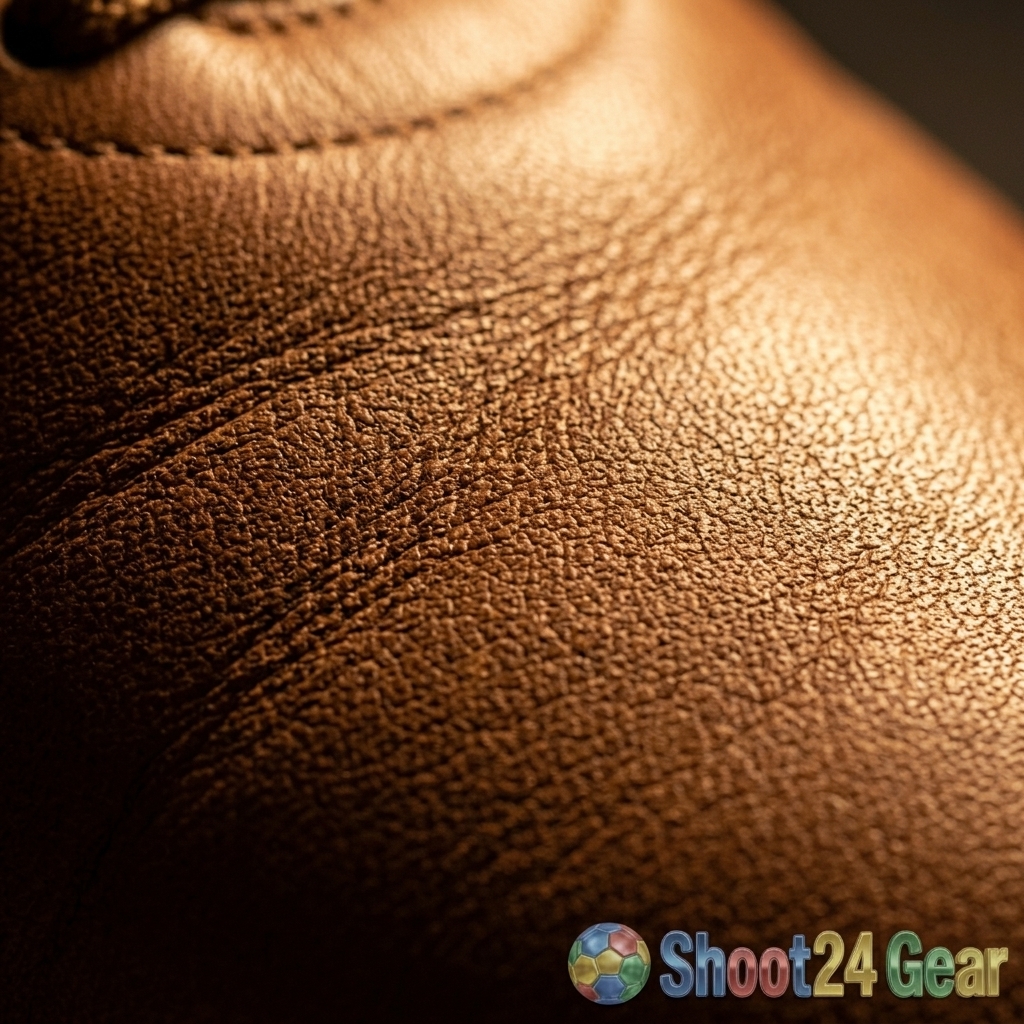
The leather outer surface provides the ball feel that leather devotees chase. Kangaroo leather is thinner, softer, and more supple than cowhide, which means it molds to your foot faster and transmits ball feedback more precisely. When you trap a ball with a Fusionskin upper, you feel the ball’s texture and pressure against your foot in a way that most synthetic materials cannot replicate. This tactile feedback is not marketing — it is a physical property of natural leather that experienced players notice immediately.
The synthetic backing provides what traditional leather alone cannot: moisture resistance, structural integrity, and dimensional stability. Old-school full-leather boots stretched over time, sometimes significantly. They absorbed water in the rain, gaining weight and losing shape. They required careful drying and conditioning to maintain their properties. The synthetic backing on Fusionskin limits these problems. The boot stretches less, absorbs less water, and maintains its shape better than a pure leather upper would.
The trade-off is that Fusionskin does not feel identical to a full-thickness kangaroo leather boot. The synthetic backing adds a barely perceptible layer between your foot and the ball. Players who have worn traditional Copa Mundials or similar full-leather boots will notice this difference — the touch is excellent, but it is not the pure, unmediated leather feel of an unlined boot. For players coming from synthetic boots, the Copa Pure will feel remarkably soft and responsive by comparison.
Construction and Build Quality
Adidas constructs the Copa Pure with attention to durability that reflects its heritage as a working boot. The stitching along stress points — toe box, medial fold, heel counter junction — uses reinforced thread patterns that resist separation under repeated flexion. The bond between the Fusionskin panels and the chassis is clean, with no visible gaps or adhesive bleed that sometimes appears on lower-quality constructions.
The tongue is a traditional separate piece rather than an integrated collar. This is a deliberate design choice that serves two purposes. First, it allows players to adjust the boot’s tightness across the top of the foot independently from the forefoot fit. Second, it provides additional padding over the lace area, which protects the instep during hard shots and passes. Some players prefer integrated collar designs for their cleaner aesthetic, but a separate tongue offers practical fitting advantages.
The heel area features a padded internal counter that locks the foot in place. Unlike the rigid heel counters found in some speed boots, the Copa Pure’s heel section combines stiffness with cushioning — it holds your foot securely without creating the hard pressure points that can cause blisters during the break-in period.
One notable construction detail is the fold-over tongue design on elite versions, which wraps leather over the lace area for an even cleaner striking surface. This detail adds a touch of premium feel and reduces the chance of lace interference during instep contact with the ball.
Fit and Comfort Profile
The Copa Pure fits medium to slightly wide, which positions it as one of the more accommodating boots from a major brand. This is consistent with the Copa line’s traditional appeal to players who find narrow speed boots uncomfortable.
Through the forefoot, there is enough room for toes to spread naturally without excessive dead space. The leather upper adapts to foot shape over the first several sessions, creating a semi-custom fit that synthetic boots cannot match. After approximately five or six wearings, the Fusionskin has typically molded to the contours of your foot, conforming to bunions, wide metatarsal spreads, and toe shapes in a way that knit synthetics do not.
The midfoot area provides secure lockdown through the lacing system without the uncomfortable tightness that narrower boots create across the top of the foot. The traditional lacing arrangement gives players full control over tension distribution — you can lace tightly through the midfoot for security while leaving the forefoot slightly looser for comfort, or vice versa.
Players with genuinely wide feet (E width or wider) may find the Copa Pure accommodating enough, particularly after the leather stretches. However, players requiring extra-wide fitting should try the boot on before committing, as the synthetic backing does limit the degree of stretch compared to unlined leather.
Comfort over long sessions is a Copa Pure strength. The combination of soft leather, adequate internal padding, and a soleplate with reasonable flex makes this boot suitable for ninety-minute matches and extended training sessions without the foot fatigue that stiffer boots can cause.
Soleplate and Traction
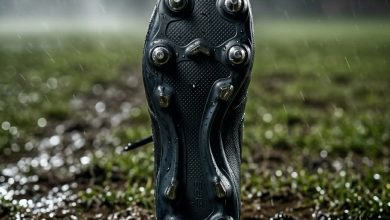
The Copa Pure uses a soleplate designed for stability and all-round movement rather than pure speed. The stud configuration combines conical studs throughout, with slightly longer studs in the forefoot for push-off grip and shorter studs in the heel for stable landing.
This conical-stud approach is deliberately conservative. Conical studs allow the foot to rotate on the ground more freely than bladed studs, which reduces the twisting forces on ankles and knees during directional changes. For older players, heavier players, or anyone with a history of joint issues, this stud design is a genuinely practical consideration rather than a marketing point.
The plate itself offers good flex through the forefoot, allowing the foot to bend naturally during walking, running, and push-off. This flexibility contributes to comfort but means the boot provides less energy return than stiffer plates. Sprinting responsiveness is adequate but not exceptional — the Copa Pure does not pretend to be a speed boot.
On firm natural grass, traction is reliable and predictable. The conical studs perform consistently across varying pitch conditions, from dry summer ground to slightly damp autumn surfaces. On artificial turf, the AG version provides the appropriate stud distribution, and the leather upper faces less abrasion stress than on aggressive stud patterns because the softer stud tips create less surface friction transfer.
One notable and practical advantage of the conical stud arrangement is its versatility across different firmness levels within the FG category. Some blade-stud boots feel dramatically different between a hard-baked August pitch and a soft October surface. The Copa Pure’s conical studs adapt more gracefully to this range, providing consistent — if unspectacular — grip regardless of seasonal ground conditions. For players who do not want to think about their studs during a match, this consistency has genuine value.
Leather vs Synthetic: The Real Differences
Choosing a leather boot involves understanding what you gain and what you sacrifice compared to synthetic alternatives. The Copa Pure illustrates this trade-off clearly.
What leather provides: Superior ball feel and touch sensitivity. Natural stretch that creates a custom fit over time. A soft, comfortable upper that reduces pressure points. Better shock absorption during hard impacts — heading clearances, blocked shots, and tackles feel less jarring through leather than through thin synthetics.
What leather costs: Additional weight compared to lightweight synthetics. Some moisture absorption in wet conditions, despite the synthetic backing. Higher maintenance requirements — leather benefits from occasional cleaning and conditioning to maintain its properties. Generally higher pricing at the elite tier. Potentially shorter lifespan on abrasive artificial surfaces where the leather face can scuff and wear.
For players who play primarily on natural grass and value touch over lightweight construction, the leather trade-off favors the Copa Pure. For players on artificial turf who need maximum durability, or speed-focused players who chase every gram reduction, synthetic boots may serve them better. The comparison is not about superiority — it is about suitability for different priorities and conditions. For a deeper exploration of this topic, see our leather versus synthetic material comparison.
Position Suitability
Central Midfielders
The Copa Pure’s ball feel and passing accuracy make it a natural fit for central midfielders who build play through short and medium passes. The leather touch enhances first-time ball contact, which matters when receiving under pressure in congested midfield areas. The stable soleplate supports the constant positional adjustments that central midfield demands.
Center-Backs
Ball-playing center-backs who value comfort and touch during distribution often gravitate toward leather boots like the Copa Pure. The wider fit accommodates larger feet comfortably, and the conical stud pattern provides the rotational freedom needed for turning under pressure. The padded upper also offers marginally better protection during tackles and aerial challenges compared to thin synthetic alternatives.
Attacking Midfielders
Creative players who receive and release the ball in tight spaces benefit from leather’s superior touch. The Fusionskin surface provides a cushioned first touch that can be the difference between controlling a difficult pass and losing possession. The boot’s weight — heavier than speed boots but lighter than old leather boots — sits in an acceptable range for players who cover moderate distances per match.
Wingers and Strikers
Speed-dependent attackers may find the Copa Pure’s weight and soleplate design limiting. The boot does not provide the acceleration assistance or lightweight feel that dedicated speed boots offer. However, strikers who rely on movement intelligence rather than raw pace — players who find space through timing rather than speed — can benefit from the enhanced shooting feel that leather provides.
Durability Considerations
Leather boots require different care than synthetics, and their lifespan depends partly on how they are maintained.
The Fusionskin upper holds up well on natural grass, typically lasting six to twelve months of regular use depending on training frequency and match load. The synthetic backing provides structural integrity that prevents the excessive stretching and deformation that plagued older all-leather boots.
On artificial turf, the leather face wears faster. The abrasive surface of synthetic pitches creates friction that gradually removes the soft outer layer of the kangaroo leather. Players who train primarily on artificial surfaces should expect a shorter upper lifespan — typically three to five months of heavy use before visible wear becomes apparent.
Maintenance helps. After playing in wet conditions, removing the insoles and stuffing the boots with newspaper to absorb moisture prevents the leather from stiffening. Periodic application of leather conditioner keeps the material supple and extends its active lifespan. These steps take five minutes and meaningfully extend how long the Copa Pure performs at its intended level.
The soleplate and stud construction are durable across both surfaces. Conical studs wear more evenly than bladed studs, and the plate bonding shows good longevity in the Copa Pure’s current generation. Soleplate separation — an issue that has affected some competitors — is rare in the Copa line.
Price and Tier Structure
The Copa Pure is available across multiple tiers, and the material differences between tiers are significant.
The Copa Pure Elite uses full Fusionskin (kangaroo leather + synthetic backing) and represents the boot’s intended performance. This tier sits in the premium price range alongside boots like the Nike Tiempo Legend and Mizuno Morelia Neo.
The Copa Pure Pro replaces the kangaroo leather with a synthetic leather that mimics the look but delivers less touch sensitivity. It is a meaningful step down from the elite but still offers a comfortable, padded feel that many players find sufficient for recreational and amateur play.
The Copa Pure Club and Copa Pure Training versions use standard synthetic uppers with no leather content. These share the Copa Pure’s visual design but not its defining material characteristics. They are functional training boots at accessible price points, but they do not provide the leather ball feel that defines the Copa line’s identity.
For players specifically seeking the leather experience, the Elite version is the tier that delivers it. The lower tiers are competent all-round boots, but they do not offer the unique selling proposition — Fusionskin leather touch — that justifies choosing a Copa Pure over other options.
Honest Limitations
The Copa Pure is heavier than most modern alternatives. At approximately 230 to 250 grams per boot in the elite version, it sits significantly above speed boots and marginally above most control synthetics. Players who are sensitive to weight will feel the difference during matches, particularly in the final twenty minutes when fatigue amplifies every gram.
The break-in period, while rewarding, requires patience. The boot does not feel optimal on day one. It takes five to six sessions for the Fusionskin to fully mold, and during that period, the fit feels neither as snug as it will become nor as immediately comfortable as pre-shaped synthetic boots. Players who want a boot that performs perfectly out of the box may find this adaptation period frustrating.
Weather performance remains a consideration. Despite the synthetic backing, Fusionskin absorbs some moisture in heavy rain. The weight gain is less than a full-leather boot but more than a fully synthetic alternative. In consistently wet climates, this is worth factoring into your decision.
Finally, the conical stud pattern, while joint-friendly, provides less aggressive grip than bladed alternatives. On very slippery surfaces or loose natural turf, players who need maximum traction for explosive acceleration may find the Copa Pure’s stud design insufficient compared to more aggressive soft ground options.
Summary
The Copa Pure succeeds at what it sets out to do: deliver a modern leather football boot that respects the material’s natural advantages while addressing its traditional weaknesses. The Fusionskin technology provides genuine leather touch with improved structural stability, and the boot’s construction quality reflects Adidas’s decades of experience with the Copa line.
It is a boot for players who value feel over speed, comfort over lightweight construction, and natural material properties over synthetic engineering. That is not everyone — but for the players it suits, the Copa Pure offers something that purely synthetic boots simply cannot replicate.
Pricing and specifications change between generations and regions. Check the official Adidas website for current availability and details before making any equipment decisions.