Goalkeepers are the most overlooked position in football boot marketing. Every major brand designs boots for strikers, midfielders, and defenders, with separate lines for speed, control, and comfort. Goalkeepers, who have fundamentally different movement demands from outfield players, are expected to choose from the same boot categories without any position-specific guidance.
This oversight genuinely matters because goalkeeping specifically involves a unique combination of requirements that no boot category addresses perfectly: long periods of standing with minimal movement, explosive lateral dives, frequent backward shuffling, rare but intense sprinting, distribution quality that increasingly demands passing accuracy, and durability against the specific wear patterns that diving, kneeling, and shot-stopping create.
No boot is currently specifically designed and marketed as a dedicated goalkeeper boot by any of the major brands — but some boots serve goalkeepers significantly better than others. This guide examines what goalkeepers need from their boots and which existing options best meet those needs.
Movement Patterns
Understanding how goalkeepers move differently from outfield players explains why boot requirements differ.
A typical outfield midfielder covers 10 to 13 kilometers per match, with significant portions at high intensity. A goalkeeper typically covers 5 to 6 kilometers, with the vast majority at walking or standing pace. The goalkeeper’s high-intensity movements are fundamentally different — short lateral explosions (diving), backward shuffling (positioning), and occasional sprint-length runs (sweeping behind the defense).
This movement profile means goalkeepers spend more time standing still than any outfield position. A boot that is comfortable for sustained standing is more important than a boot that is comfortable for sustained running. Stiff soleplates that help with energy return during sprinting are irrelevant for a goalkeeper who sprints perhaps ten times per match but stands for sixty minutes of it.
Lateral movement is the goalkeeper’s defining physical action. Diving requires explosive push-off from a near-stationary position, which demands reliable traction and stable footing. The studs need to grip immediately under sudden load without prior momentum — a different traction demand from the progressive loading that running creates.
Comfort Above All
For goalkeepers, comfort is not a luxury — it is the primary boot requirement. A goalkeeper wearing uncomfortable boots experiences pain during the extended standing phases that dominate the position. This discomfort is not intermittent like it might be for a midfielder who runs through it; it is constant because standing still concentrates pressure on the same areas of the foot for prolonged periods.
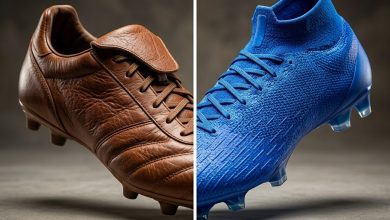
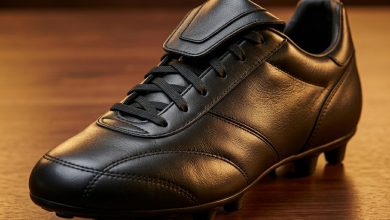
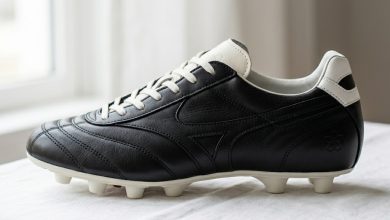
The most comfortable football boot categories for goalkeepers tend to be leather boots and comfort-focused synthetics. Boots like the Puma King, Nike Tiempo Legend, and Adidas Copa Pure provide the cushioning, flexible soleplates, and forgiving fit that goalkeepers need for ninety-minute comfort.
Speed boots are generally poor choices for goalkeepers. Their thin uppers provide minimal protection, their stiff soleplates cause forefoot fatigue during standing, and their narrow fit creates unnecessary discomfort for a position that does not benefit from weight reduction. The 30-gram weight difference between a speed boot and a comfort boot is meaningless for a player who sprints a fraction of the distance that a winger covers.
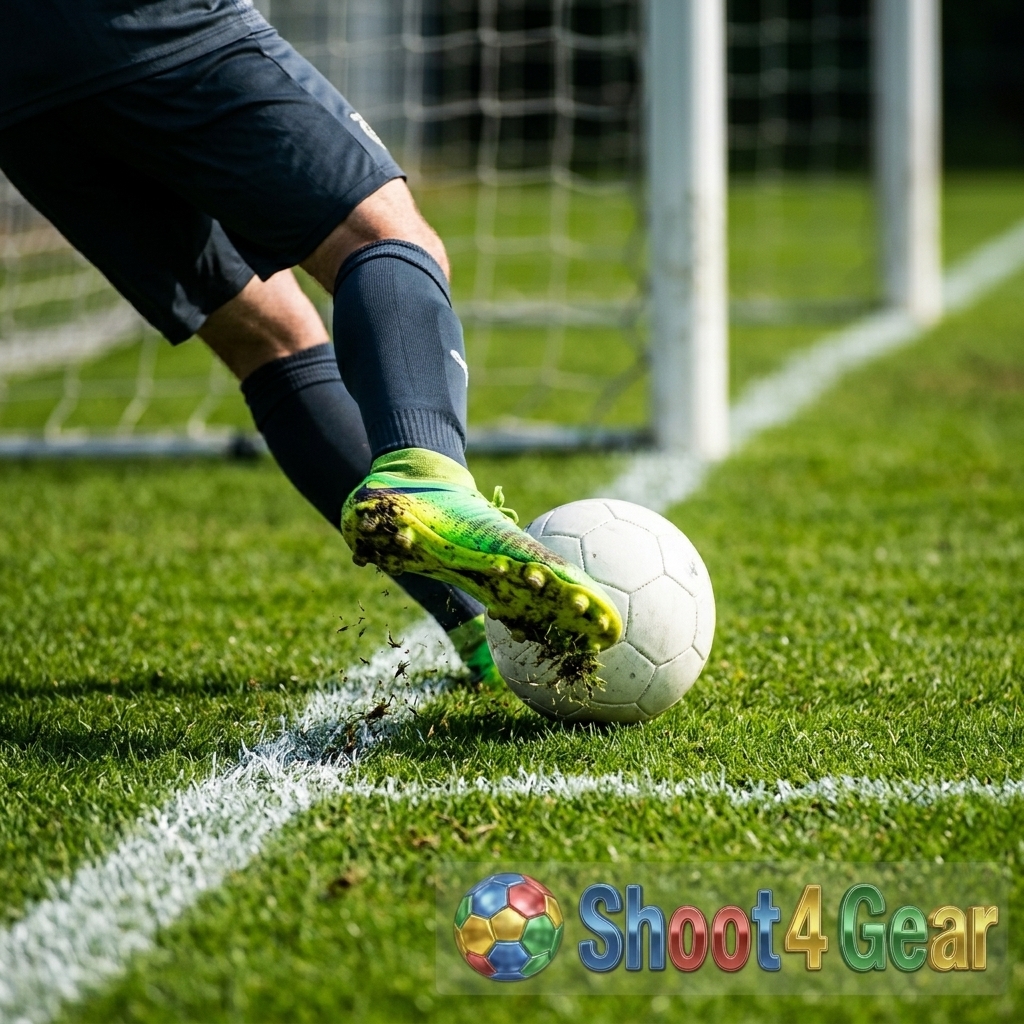
Stud Pattern for Goalkeeping
Goalkeeper traction requirements differ from outfield players in a critical way: goalkeepers need immediate grip from a standing start rather than progressive grip during running.
When a goalkeeper dives, the push-off foot must grip the ground instantly under sudden maximum force. There is no running momentum to progressively load the studs — the full force transfers in a fraction of a second. Studs that provide reliable grip under this sudden loading pattern serve goalkeepers better than studs designed for progressive loading during sprints.
Conical studs generally perform well for goalkeepers. Their symmetrical shape provides equal grip regardless of push-off direction — important because goalkeepers dive laterally, which loads studs differently from forward running. Blade studs, which are designed for forward movement, can feel less stable during lateral push-offs because their directional shape does not grip equally in all directions.
For soft ground conditions, goalkeepers face the same stud choice as outfield players — metal-tipped soft ground studs provide necessary grip on saturated surfaces. Goalkeepers on soft ground without SG studs risk slipping during dives, which is both embarrassing and dangerous.
Distribution and Ball Feel
Modern goalkeeping increasingly demands passing and distribution quality. The evolution of playing out from the back — where goalkeepers build attacks through short passes rather than long clearances — means the boot’s ball feel matters for keepers more now than at any previous point in football history.
Goalkeepers who are expected to play short passes under pressure from high-pressing opponents need boots that provide reliable ball feedback. Leather uppers offer the most consistent passing feel because the natural material transmits ball contact warmly and predictably. Control-oriented synthetics with grip texture zones also work well for goalkeepers who prioritize distribution accuracy.
For goalkeepers whose distribution is limited to long goal kicks and clearances, ball feel is less critical — the quality of a fifty-yard kick depends more on technique and leg strength than on boot material. These goalkeepers can prioritize comfort and protection over touch sensitivity without sacrificing meaningful distribution quality.
Protection and Durability
Goalkeeping creates specific wear patterns that differ from outfield play. The areas that wear fastest on a goalkeeper’s boots tell the story of how keepers move:
Toe area: Kneeling and getting up from dives creates constant friction on the toe box. Goalkeepers who drop to their knees before diving (a common technique for low saves) drag the toe across the ground repeatedly, wearing through thin uppers quickly. Boots with reinforced toe areas last longer for keepers.
Medial forefoot: Set positioning involves standing with weight distributed across the forefoot, creating pressure and wear on the medial (inner) side. This area receives more sustained pressure from goalkeeper standing patterns than from outfield running patterns.
Outsole heel: Backward shuffling during positioning creates heel-drag wear on the outsole. Goalkeepers who shuffle frequently show more pronounced heel outsole wear than outfield players.
For durability, leather boots and thicker synthetic boots outperform thin speed boots in goalkeeper use. The extra material thickness in leather and comfort boots provides more resistance to the specific abrasion patterns that goalkeeping creates.
Fit Considerations for Goalkeepers
Goalkeepers tend to have slightly different fit preferences from outfield players, driven by their unique demands.
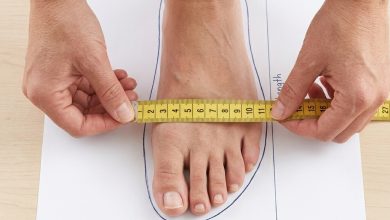
A slightly roomier forefoot is acceptable — even desirable — for goalkeepers because the tight, locked-in feel that speed players need provides no benefit when standing and diving. The extra room reduces forefoot compression during extended standing and accommodates the slight foot swelling that occurs during ninety minutes of match play.
Heel lockdown remains important. Despite the reduced running demands, goalkeepers still need their heel secured during explosive dives. A boot that slides at the heel during a lateral push-off costs fractions of a second in reaction time — fractions that can mean the difference between saving and conceding.
Boot height (collar vs low-cut) is a personal preference for goalkeepers. Some keepers prefer the ankle support of a mid-cut collar for added stability during lateral movements. Others find collars restrictive and prefer low-cut boots for maximum ankle mobility during dives. Neither option is objectively superior for goalkeeping — the choice depends on individual ankle stability and movement style.
Players with wide feet should prioritize width comfort for goalkeeping above all else. A too-narrow boot that an outfield player might tolerate for ninety minutes of mixed movement becomes genuinely painful for a goalkeeper who stands on that narrow forefoot for extended periods. Wider options from Puma, Mizuno, and New Balance deserve first consideration for wide-footed keepers.
Weather Considerations for Goalkeepers
Weather affects goalkeepers differently from outfield players because of the standing-dominant nature of the position.
Cold weather is particularly challenging for keepers. While outfield players generate body heat through constant running, goalkeepers stand relatively still for extended periods, allowing their feet to cool rapidly. On frozen or near-frozen pitches, the cold transfers through the soleplate into the foot during standing. Boots with thicker midsoles and internal padding — leather boots with foam backing are ideal — provide more insulation against this cold transfer.
Wet weather creates a specific goalkeeping problem: glove-to-boot contact during handling. When a goalkeeper catches or parries a shot, the follow-through often brings the ball and wet gloves into contact with the boot upper. Boots that absorb water from this contact become heavier and less comfortable as the match progresses. Synthetic uppers resist this moisture transfer better than uncoated leather, which absorbs water from every wet surface contact.
In heavy rain, goalkeepers should ensure their boots provide reliable grip on saturated penalty areas. The goal area and six-yard box receive the most foot traffic and deteriorate fastest in wet conditions. If the ground becomes genuinely soft, switching to soft ground studs is essential — a goalkeeper slipping during a dive in a soft penalty area is a conceded goal waiting to happen.
The Psychology of Boot Choice for Goalkeepers
Boot choice carries a psychological dimension for goalkeepers that differs from outfield players. A goalkeeper who feels confident in their footing during dives commits to saves more aggressively. A goalkeeper who doubts their traction hesitates, holds back, and reaches rather than launching fully — the difference between a fingertip save and a goal conceded.
This confidence factor means that goalkeepers should prioritize boots that feel secure during lateral movements above all other characteristics. Testing boots during training before match use is particularly important for keepers — the moment to discover that your boots slip during lateral push-offs is during training, not during a match with the score level in the eighty-ninth minute.
Some goalkeepers develop strong attachments to specific boot models because they associate them with reliable performance. When these goalkeepers find a boot that works, they often buy multiple pairs of the same model to ensure continuity when the current pair wears out. This strategy prevents the adjustment period that comes with switching to a new boot design and maintains the confidence that comes from trusted equipment.
Goalkeeper Boot Care
The specific wear patterns of goalkeeping boots demand slightly different care approaches from outfield boot maintenance.
The toe area, which receives heavy abrasion from kneeling and ground contact, benefits from periodic inspection. Once the upper material thins noticeably at the toe, the boot is approaching end of life for goalkeeping use — the protection against impact and the structural integrity during push-offs both diminish as the toe material degrades.
The outsole heel area, which wears from backward shuffling, should be inspected for uneven wear patterns. Asymmetric heel wear can alter standing posture and create discomfort over time. If one heel wears significantly faster than the other, it may indicate a positioning habit that creates uneven foot loading.
Clean mud and debris from stud channels after every session on natural grass. Goalkeepers who practice diving drills collect significant amounts of mud in their soleplate, and this mud reduces stud effectiveness if left to dry and harden between sessions.
For leather goalkeeper boots, the additional contact with wet surfaces (grass, rain, wet balls) means more frequent conditioning is advisable compared to outfield use. Conditioning every two weeks rather than every three maintains the leather’s suppleness and water resistance under the heavier moisture exposure that goalkeeping involves.
Surface-Specific Goalkeeper Advice
Natural grass (FG): Standard FG studs work well for goalkeeping on firm natural grass. Choose conical studs over blade studs for better lateral grip during dives. Ensure the soleplate flexes comfortably for extended standing.
Artificial turf (AG): AG studs are essential on synthetic surfaces. The shorter, more numerous studs distribute standing pressure more evenly than FG studs, which reduces forefoot fatigue during the extended standing phases. AG boots are often the most comfortable soleplate option for goalkeepers on artificial turf.
Indoor (IC): Indoor goalkeepers need flat-soled IC shoes with maximum grip rubber. The explosive lateral movements of indoor goalkeeping demand reliable friction-based traction. Cushioning in IC shoes is particularly important for indoor keepers because diving onto hard gymnasium floors creates significant impact forces.
Recommended Boot Categories for Goalkeepers
Based on the requirements discussed above, the following boot categories serve goalkeepers most effectively:
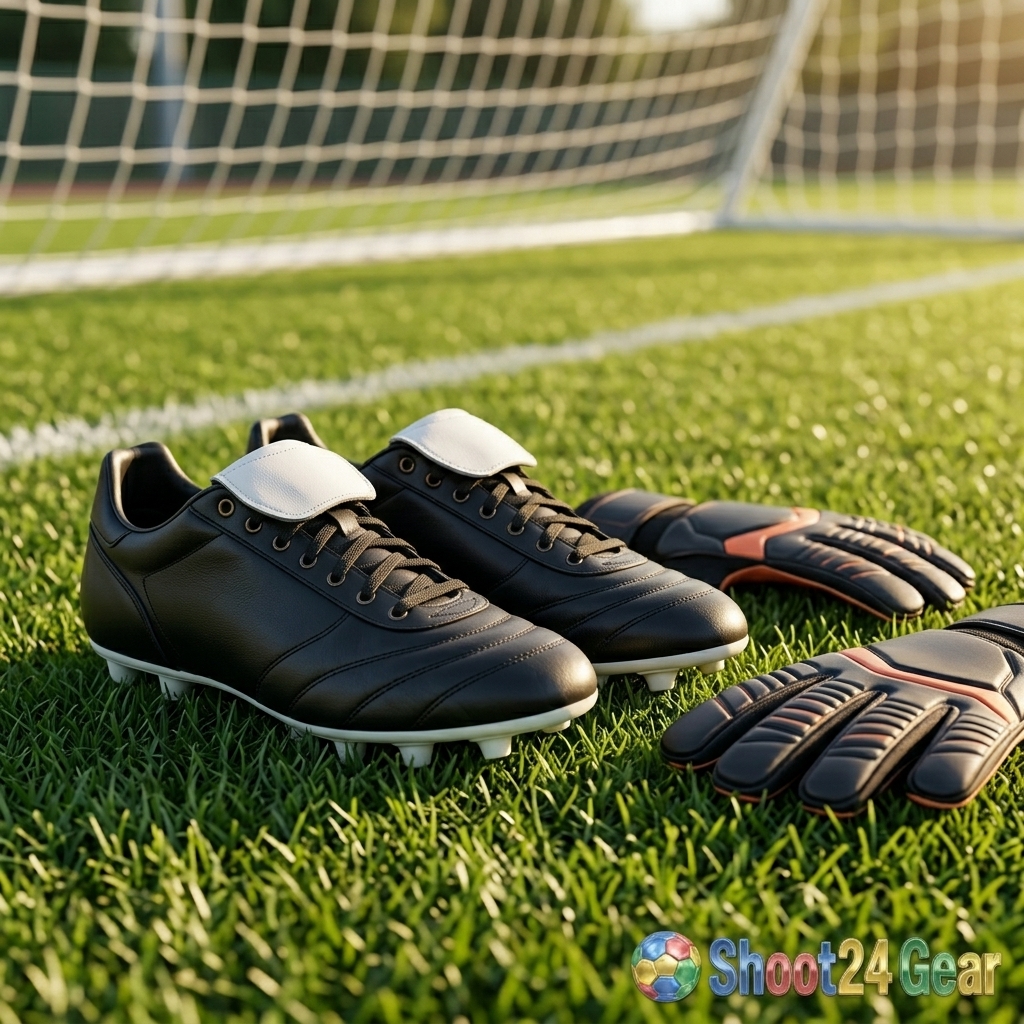
Best options: Premium leather boots (Puma King, Tiempo Legend, Copa Pure, Morelia II). These provide comfort, durability, ball feel, and forgiving fit — all priorities for goalkeeping.
Good alternatives: Comfort-focused synthetics (Puma Future for adaptive fit, New Balance Tekela for wider forefoot). These provide reasonable comfort with lower maintenance than leather.
Acceptable if preferred: Control boots (Phantom GX, Predator) for goalkeepers who heavily prioritize distribution quality and ball manipulation.
Generally unsuitable: Speed boots (Mercurial, X Crazyfast, Ultra). Too thin, too stiff, too uncomfortable for the standing demands of goalkeeping. The weight savings provide no meaningful benefit for a position that does not rely on sustained running speed.
Training-Specific Considerations
Goalkeeping training involves more repetitive diving, kneeling, and ground contact than match play. The boot wear from training can be two to three times faster than match wear because the volume of dives and ground contacts is dramatically higher.
Many goalkeepers use a separate pair of boots for training — typically an older or less expensive pair — to preserve their match boots. This rotation strategy extends the lifespan of premium match boots while allowing training boots to absorb the accelerated wear of daily goalkeeping drills.
Training on artificial turf is particularly demanding on goalkeeper boots. The abrasive surface combined with the sliding, kneeling, and diving of goalkeeper drills creates rapid upper wear. Goalkeepers who train primarily on artificial surfaces should factor boot replacement costs into their equipment budget and consider boots with reinforced construction rather than premium-but-thin alternatives.
Summary
Goalkeepers deserve more attention in boot selection than the market currently provides. The position’s unique demands — extended standing, explosive lateral movement, distribution quality, and specific durability requirements — mean that the best goalkeeper boot is rarely the flashiest or most marketed option on the shelf. While outfield players can chase the latest speed technology or grip innovation, goalkeepers benefit most from proven comfort characteristics that serve the standing-dominant nature of their position.
Prioritize comfort above everything else. A comfortable goalkeeper is a focused goalkeeper, and a focused goalkeeper makes saves. The marginal differences in weight, speed technology, and grip enhancement that differentiate outfield boot categories are largely irrelevant for a position where standing comfort and reliable traction during dives determine daily satisfaction with equipment choices. Choose boots that feel good when standing still for ten minutes, because that is what goalkeeping actually involves for most of every match. Test them during diving drills in training before trusting them in competitive situations. And when you find a boot that works — genuinely works for the specific demands of goalkeeping — consider buying a second pair before it is discontinued.
Boot specifications, model lineups, and regional availability change between boot generations and seasons. Always check official brand websites for the most current goalkeeper-suitable options before making any purchasing decisions for your specific playing needs.