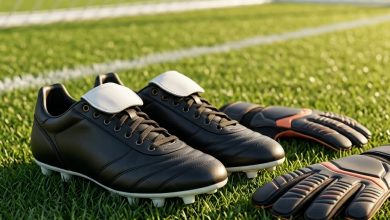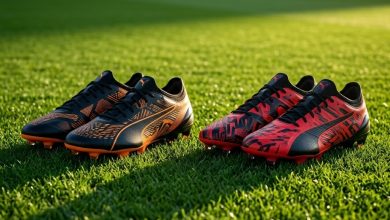
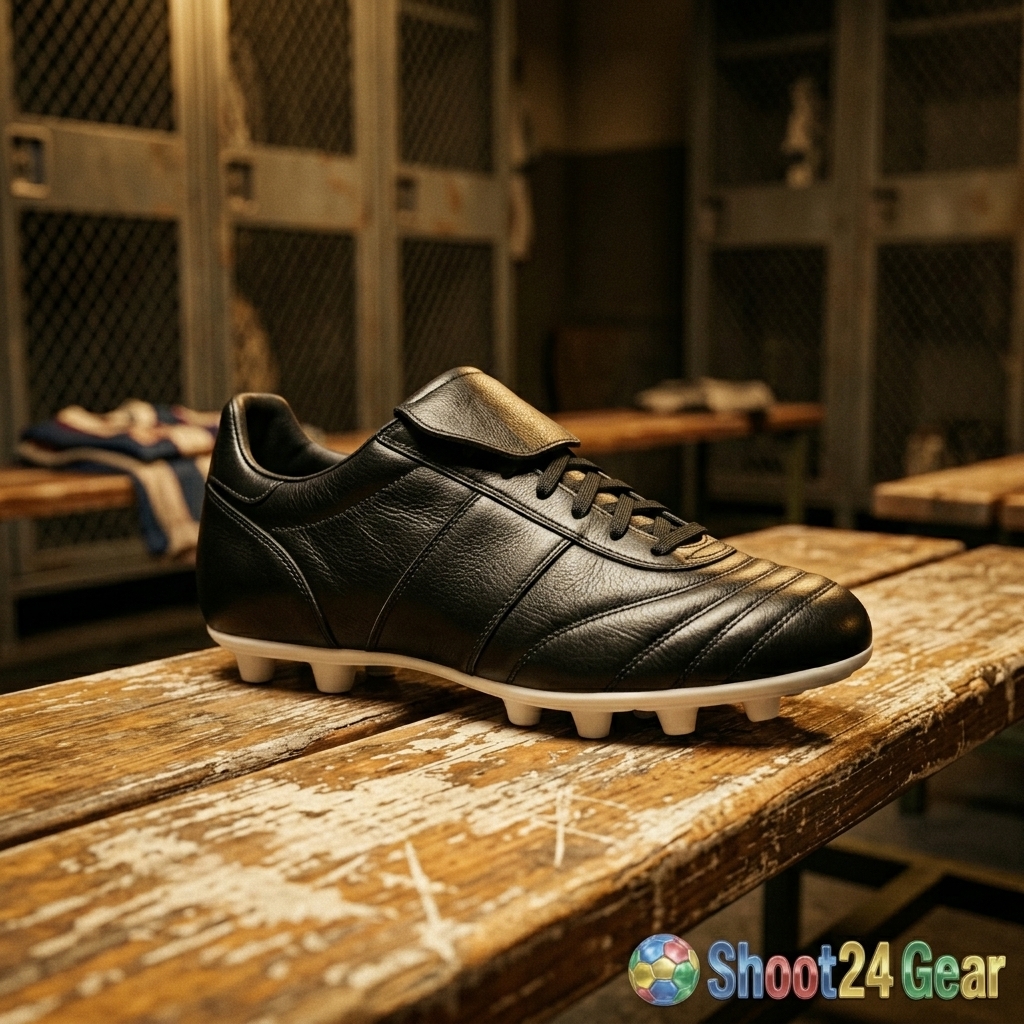
The Puma King holds a unique distinction in football boot history. Pelأ© wore it. That single association, stretching back to the 1970 World Cup, gave the King a cultural significance that no amount of modern marketing could replicate. But cultural significance and playing performance are different things entirely, and the question for today’s players is not whether the King has a storied past, but whether the current generation performs well enough to justify choosing it over the many alternatives available.
The modern Puma King maintains its leather heritage while incorporating contemporary construction techniques. It is not a museum piece — Puma has genuinely updated the boot’s materials, soleplate, and fit engineering with each generation. Yet it retains the core promise that defined the original: soft kangaroo leather, a comfortable fit, and a boot that prioritizes how the ball feels against your foot above every other consideration.
This review examines the current King generation across materials, construction, fit, and playing suitability. The comparison points include its most direct competitors: the Adidas Copa Pure, the Nike Tiempo Legend, and the Mizuno Morelia.
K-Leather Upper
The Puma King uses kangaroo leather (K-leather) across the forefoot — the same material used in the Mizuno Morelia line and the source of the boot’s defining characteristic. K-leather is thinner and more supple than cowhide or calfskin, which means it molds to foot shape faster, transmits ball feedback more precisely, and creates a closer connection between foot and ball.
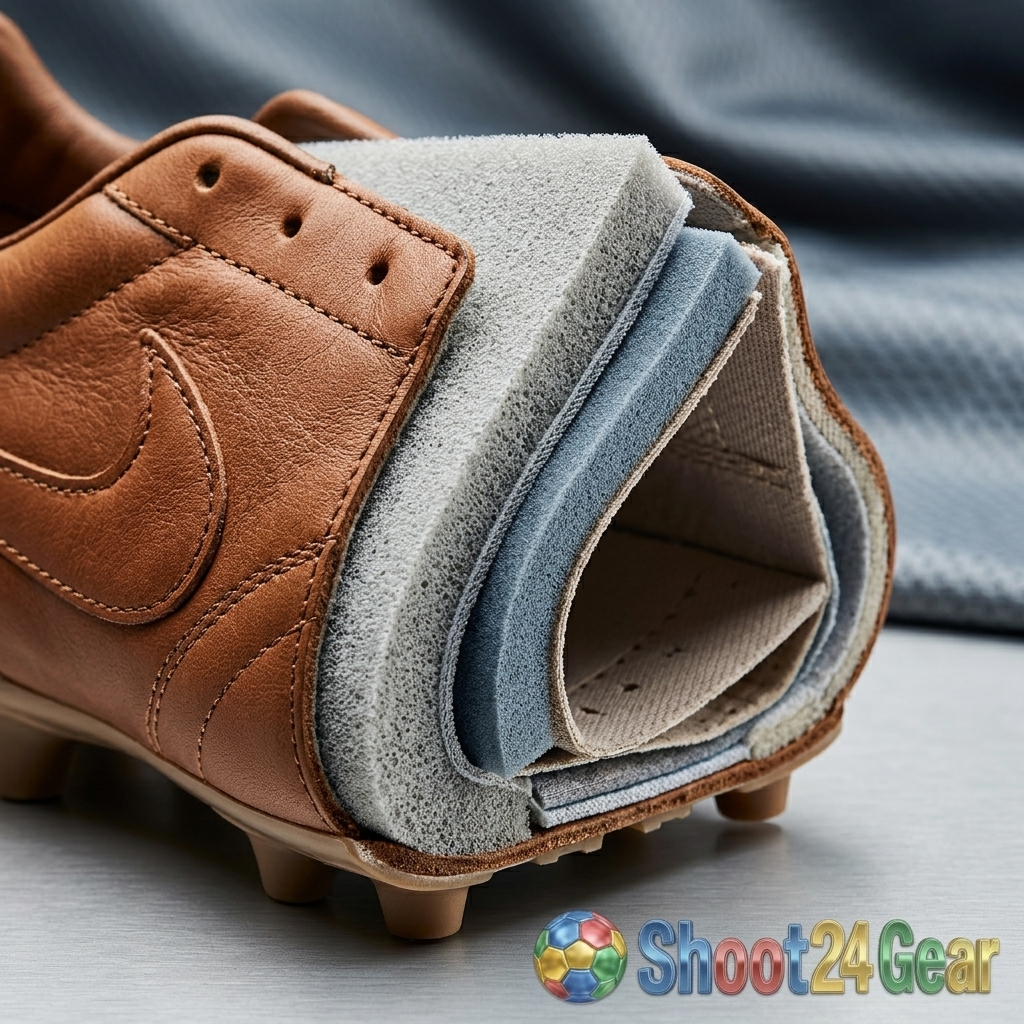
Puma’s implementation of K-leather on the King differs from Mizuno’s approach in several ways. The King uses slightly thicker leather panels with a foam backing layer, which provides more cushioning but slightly less raw touch sensitivity compared to the Morelia’s minimally-lined construction. This is a deliberate design choice — the King prioritizes comfort and protection alongside touch, while the Morelia pursues pure touch above all else.
The foam backing serves dual purposes. During ball contact, it provides a subtle cushioning effect that softens receiving hard passes and absorbs some of the sting from cold-weather striking. Structurally, it helps the leather maintain its shape over time, preventing the excessive stretching that unlined K-leather can experience with prolonged use. The trade-off is that the foam adds a thin layer between your foot and the ball’s surface — the touch is excellent by any standard, but it is not the unmediated leather experience that Morelia purists seek.
The K-leather extends across the forefoot and medial side, covering the areas where meaningful ball contact occurs during passing, receiving, and shooting. The midfoot and heel transition to synthetic materials for weight management and structural support. This zoning approach is now standard across premium leather boots — it concentrates expensive, performance-critical K-leather where it matters most while using more practical materials elsewhere.
Comfort as a Design Priority
Where the King distinguishes itself from other leather boots is in its unapologetic prioritization of comfort. Every design decision seems filtered through the question “does this make the boot more comfortable to wear for ninety minutes?”
The internal padding is generous compared to competitors. The collar area includes soft foam that cushions the ankle without restricting movement. The tongue is well-padded across the lace area, protecting the instep during shots and passes. The heel counter uses a combination of rigid structure for lockdown and foam overlay for comfort against the Achilles area. These details do not create revolutionary technology — they simply make the boot pleasant to wear for extended periods.
The insole provides above-average cushioning. It is not a high-end aftermarket insole, but it offers more underfoot comfort than the thin, basic insoles found in many football boots. Players who spend significant time on hard artificial surfaces particularly appreciate the additional cushioning during training sessions where foot fatigue accumulates.
The overall construction prioritizes forgiveness. The King does not punish poor fit the way narrow speed boots do. It does not create pressure points during break-in the way stiff synthetics can. It accommodates minor foot shape variations without needing a perfect size match. This forgiving nature makes the King a particularly good option for players who struggle with fit issues in other boots or who prioritize day-to-day comfort over marginal performance gains.
Fit Profile
The Puma King fits medium to slightly wide — the widest fit among the major leather boot options from Nike, Adidas, and Puma. This wider profile is part of the King’s comfort strategy and makes it immediately appealing to players who find other boots too narrow across the forefoot.
The K-leather stretches further than the Fusionskin used on the Copa Pure and the calfskin used on the Tiempo Legend, which means the King adapts to a wider range of foot shapes over time. Players with bunions, wide metatarsal spreads, or slightly unusual toe configurations often find the King accommodates them where other boots do not.
Break-in time is short — typically two to three sessions. The K-leather softens quickly, the foam backing compresses to match foot pressure points, and the tongue finds its natural resting position within the first few wearings. By the third or fourth session, most players report the King feels like an old friend rather than new equipment.
Heel lockdown is secure despite the wider forefoot fit. The internal heel counter holds the foot in place effectively, and the generous padding prevents the rubbing that causes blisters during the break-in period. This is an area where the King’s comfort focus directly benefits performance — heel slippage is rare even during aggressive directional changes.
Sizing runs true to size. Puma’s sizing consistency in the King line is reliable, particularly in the elite tier. Because the K-leather stretches, players on the border between sizes should choose the smaller size for a performance fit that will adapt over time, or the larger size for immediate comfort if break-in tolerance is limited.
Soleplate and Traction
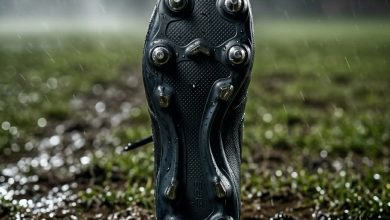
The King uses a soleplate designed for all-round comfort and stability rather than aggressive speed or maximum grip. The stud configuration uses a mixture of conical and short bladed studs arranged for multi-directional movement support.
The plate offers good flex through the forefoot — more than speed boots, comparable to the Copa Pure and Tiempo Legend. This flexibility contributes to walking comfort, training comfort, and natural foot movement during running. It does not provide the energy return that stiffer plates deliver, but it avoids the forefoot fatigue that stiff soleplates can cause during extended sessions.
Traction is reliable without being aggressive. The stud pattern provides confident grip on firm natural grass and works effectively on the AG version for artificial turf. The King does not deliver the lock-in traction that blade-stud speed boots provide, but it offers consistent, predictable grip across varying conditions — the kind of traction you can trust without thinking about it during match play.
One benefit of the King’s soleplate design is its gentleness on joints. The combination of flexible plate and less aggressive studs reduces the rotational forces transmitted through ankles and knees during directional changes. For older players, players returning from injury, or anyone with a history of joint concerns, this characteristic has practical medical significance beyond mere comfort preference.
Weather Resilience
The King handles weather conditions better than its purist leather competitors, though not as well as fully synthetic boots. The foam backing layer provides an element of moisture resistance that unlined K-leather lacks. In light rain, the King maintains its properties well — the leather touch remains consistent, and weight gain from moisture absorption is modest.
In heavy rain, the K-leather does absorb water, but the foam backing limits the extent of absorption compared to unlined constructions like the Mizuno Morelia. The King might gain 10 to 15 grams per boot in sustained rain, compared to 15 to 25 grams for an unlined K-leather boot. This difference is minor in absolute terms but noticeable during the second half of a wet match when cumulative foot fatigue amplifies every gram.
Cold weather performance benefits from the King’s additional padding. The foam backing and internal cushioning provide a thin insulating layer that reduces the cold transfer from frozen pitch surfaces through the soleplate into the foot. This is not insulation by winter boot standards, but it makes a perceptible difference compared to thin-upper boots during November and December training sessions in cold climates.
Post-rain care follows the standard leather protocol: remove insoles immediately, open laces fully, stuff with newspaper to absorb internal moisture, and dry away from direct heat. The foam backing complicates drying slightly — it takes longer to dry fully than a single layer of leather — so allowing extra time before the next session is advisable in particularly wet conditions.
Price Tiers
The King line spans several price tiers with significant material differences between them.
The King Ultimate (elite tier) uses genuine K-leather in the forefoot with foam backing — this is the version reviewed above and the only tier that delivers the King’s intended leather experience. Pricing sits in the premium range alongside the Copa Pure Elite and Tiempo Legend Elite.
The King Pro uses synthetic leather that mimics K-leather’s visual appearance. The feel is noticeably different — synthetic leather does not soften, mold, or transmit ball feedback in the same way. It is a competent boot at a lower price point, but it does not provide the leather experience that defines the King’s identity.
The King Training and King Club use standard synthetic uppers with no leather content. These are functional training boots that share the King’s visual design but not its material characteristics. They serve well for casual play and training where premium leather feel is not a priority.
As with all premium leather boot lines, the elite tier is clearly where the distinctive and rewarding experience lives. Players choosing the King specifically for its K-leather properties should invest in the Ultimate version. Lower tiers offer diminishing returns on the boot’s core promise.
Position Suitability
Center-Backs
The King’s wider fit, generous padding, and comfortable construction make it well-suited to center-back play. Defenders who spend ninety minutes making physical challenges, aerial duels, and clearances benefit from a boot that protects the foot and remains comfortable throughout. The K-leather touch also aids distribution from the back — an increasingly valued skill in modern defensive play.
Central Midfielders
Midfielders who cover high distances and require sustained comfort find the King appropriate. The leather touch enhances passing accuracy, and the comfortable soleplate supports the varied movement patterns — jogging, walking, sprinting, turning — that central midfield involves. The King is not the highest-performance midfield boot, but it may be the most comfortable one for players who suffer foot fatigue in other options.
Goalkeepers
The King’s comfort profile suits goalkeepers particularly well. Keepers spend long periods standing, making short explosive movements, and need boots that remain comfortable during the extended low-intensity phases between saves. The wider fit accommodates the slightly larger feet common among taller players, and the cushioned construction reduces the impact stress of diving and landing. For more detail on keeper-specific considerations, see our goalkeeper boot guide.
Pace-Dependent Players
The King is not a speed boot. At approximately 230 to 250 grams per boot, it is 40 to 70 grams heavier than dedicated speed boots. The flexible soleplate does not provide the energy return that sprint-focused plates deliver. The wider fit, while comfortable, creates marginally more internal movement than the locked-in feel that speed boots demand. Players who rely primarily on pace should look at alternatives designed specifically for that purpose.
Comparison with Other Leather Boots
The leather boot segment offers distinct choices, and the King occupies a specific position within it.
King vs Copa Pure: The Copa Pure uses Fusionskin (K-leather bonded to synthetic backing) which provides less stretch and a firmer feel compared to the King’s foam-backed K-leather. The Copa Pure fits slightly narrower and offers marginally more responsive touch. The King fits wider and offers more comfort. Choose the Copa Pure for touch precision, the King for comfortable fit.
King vs Tiempo Legend: The Tiempo Legend uses calfskin — thicker and more durable than K-leather but with less initial softness. The Tiempo offers Nike’s broader distribution and styling, while the King provides a wider fit and faster break-in. Both are premium leather boots that serve similar player profiles.
King vs Morelia: The Morelia is the purist’s choice — thinner K-leather, lighter weight, less padding, more raw touch. The King is the comfort choice — thicker leather, more cushioning, wider fit, more forgiving construction. These boots serve the same material philosophy but with different priorities within that philosophy.
Durability and Care
The King’s K-leather requires the same care protocol as other leather boots: remove insoles after playing, open laces for drying, avoid heat sources, stuff with newspaper after wet sessions, and apply leather conditioner every few weeks. The foam backing provides some structural support that helps the leather maintain its shape during drying.
On natural grass, the King typically lasts six to nine months of regular use before the leather shows significant wear. On artificial turf, expect four to six months — the slightly thicker leather construction holds up marginally better than the thinner Morelia but not as well as synthetic alternatives.
The soleplate and studs are durable across both surfaces. The mixed stud configuration wears evenly, and the plate bonding is reliable. Overall construction quality in the King line reflects Puma’s competitive manufacturing standards.
Limitations
The King is heavy by modern standards. At 230 to 250 grams, it sits significantly above speed boots and marginally above some control synthetics. Players sensitive to weight feel the difference during matches, particularly in the later stages when fatigue amplifies perceived heaviness.
The wider fit, while comfortable for many players, creates a less locked-in feel than narrower alternatives. Players who want their boot to feel like a second skin — tight, responsive, with zero internal movement — may find the King too spacious for their preference.
K-leather requires ongoing maintenance. Players unwilling to invest in regular care will see the leather deteriorate faster than synthetic alternatives that need no special attention.
Finally, Puma’s football market share is smaller than Nike’s or Adidas’s, which means distribution, availability, and colorway options are more limited. Finding the King to try on in-store can be difficult outside major markets.
Summary
The Puma King is a boot for players who prioritize comfort and leather feel above performance optimization. It does not chase speed records, grip technology, or lightweight construction. Instead, it offers something increasingly rare in the modern boot market: a boot that simply feels good to wear while providing genuine K-leather touch quality.
For defenders, goalkeepers, and midfielders who value ninety-minute comfort over marginal performance gains, the King delivers a playing experience that rewards foot comfort without sacrificing meaningful quality in materials or construction.
Product specifications, pricing, and detailed availability all vary by region. Verify current options on the official Puma website before making any equipment decisions.