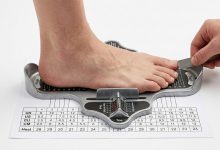
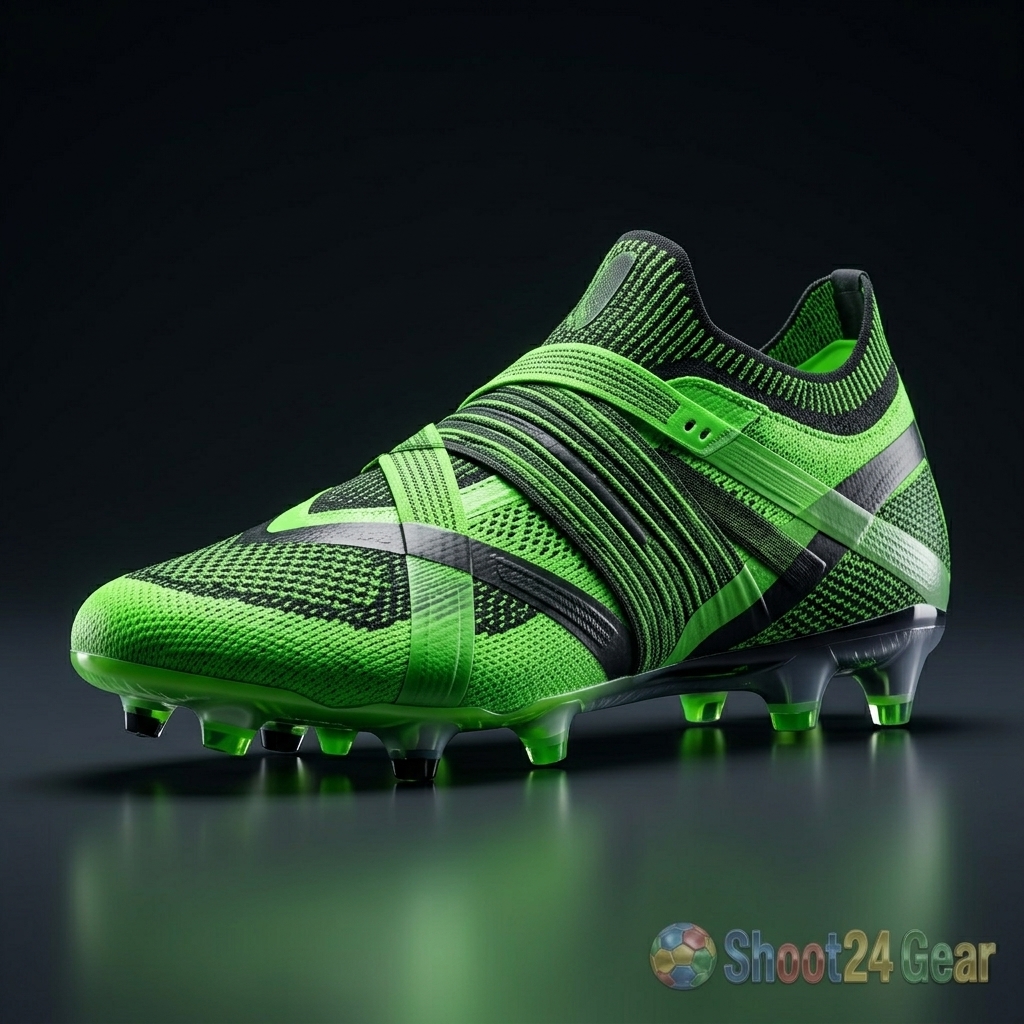
Most football boots offer one fit. You lace them up, they either work for your foot or they do not, and you live with whatever compromise that creates. The Puma Future takes a different approach entirely. Its defining feature — the FUZIONFIT+ adaptive compression system — attempts to create a boot that molds to your individual foot shape, giving each player a semi-custom fit without the expense of bespoke footwear.
It is an ambitious concept, and it places the Future in interesting territory. While Nike and Adidas compete primarily on materials technology and stud design, Puma’s entry into the elite boot conversation leads with fit engineering. The question is whether that engineering translates to meaningful on-pitch advantages or remains an interesting idea that does not quite deliver in practice.
Having examined the current Future generation across its construction, technology, and playing characteristics, the answer sits somewhere in between — impressive in some areas, limited in others, and genuinely unique in the market regardless.
FUZIONFIT+ Compression System
The headline technology on the Puma Future is FUZIONFIT+, an adaptive compression band system integrated into the upper. Unlike traditional lacing that pulls the boot tight from the top down, FUZIONFIT+ uses internal compression elements that wrap around the midfoot and forefoot, applying graduated pressure that conforms to your foot’s unique contours.
The system works alongside the external lacing, not instead of it. You still lace the boot conventionally, but the internal compression bands provide an additional layer of fit customization. The bands stretch and compress based on your foot shape, tightening around narrow sections and accommodating wider areas. The result, when it works well, is a boot that feels like it was specifically built for your foot rather than a generic foot-shaped last.
In practice, the FUZIONFIT+ system is most noticeable in the midfoot area. This is where foot shapes vary most dramatically between individuals — some players have high, narrow midfoots while others have flat, wide midfoots. The compression bands adapt to these differences more effectively than a fixed-width upper can. The forefoot area also benefits, though the effect is less dramatic because the knit upper material provides some inherent stretch in that zone regardless.
The system does have limits. Extremely wide feet may still find the Future too tight, because the compression bands add inward pressure rather than expanding outward. Players at the extreme ends of the width spectrum — very narrow or very wide — may not experience the adaptive benefits as strongly as medium-width players do. The sweet spot for FUZIONFIT+ is the range between narrow-medium and medium-wide, where the compression has enough foot structure to interact with.
PWRTAPE External Support
Complementing the internal compression is PWRTAPE — thin, tape-like strips applied to the outer surface of the upper. These strips run across the forefoot and midfoot in strategic patterns, providing structural support without adding significant weight or stiffness.
The tape serves two functions. First, it reinforces high-stress areas of the upper, reducing stretch and deformation during aggressive movements like hard cuts and sudden stops. Without PWRTAPE, the soft knit upper would stretch excessively during lateral movements, causing the foot to slide inside the boot. The tape maintains the upper’s shape under stress while allowing natural flex during forward motion.
Second, the tape pattern creates subtle surface texture across the striking zone. This is not the aggressive grip texture found on boots like the Adidas Predator or Nike Phantom GX, but it does provide a slight grip enhancement during ball contact. The effect is modest — more friction than a smooth synthetic, less grip than dedicated texture technology — but it exists and contributes marginally to ball control.
The PWRTAPE adds minimal weight. The strips are thin and lightweight, and their structural contribution allows Puma to use a thinner base knit material than would be possible without external reinforcement. In this sense, the tape is not just an addition — it is part of an integrated weight management strategy.
Upper Material and Ball Feel
The Future’s upper uses a knit material that Puma has refined over several generations. The current iteration provides a soft, sock-like feel that ranks among the more comfortable knit uppers on the market. It is not as thin as the Nike Mercurial’s Flyknit — it offers slightly more padding and less raw ball sensitivity — but it is lighter and softer than the textured uppers found on control-focused boots.
Ball feel through the Future’s upper is clean and direct. The knit construction transmits ball feedback well, and the absence of heavy texture zones means there is no artificial interference between your foot and the ball. Players who prefer a natural, unmediated touch will appreciate this characteristic. It sits in a productive middle ground — more feel than a textured boot, more comfort than an ultra-thin speed boot.
The upper’s breathability is above average. The knit weave allows air circulation, which reduces heat buildup during matches in warm conditions. On the flip side, the breathable construction means the upper absorbs moisture more readily in wet conditions than a synthetic-backed or coated material would. Players in rainy climates should factor this in.
Soleplate Design and Traction
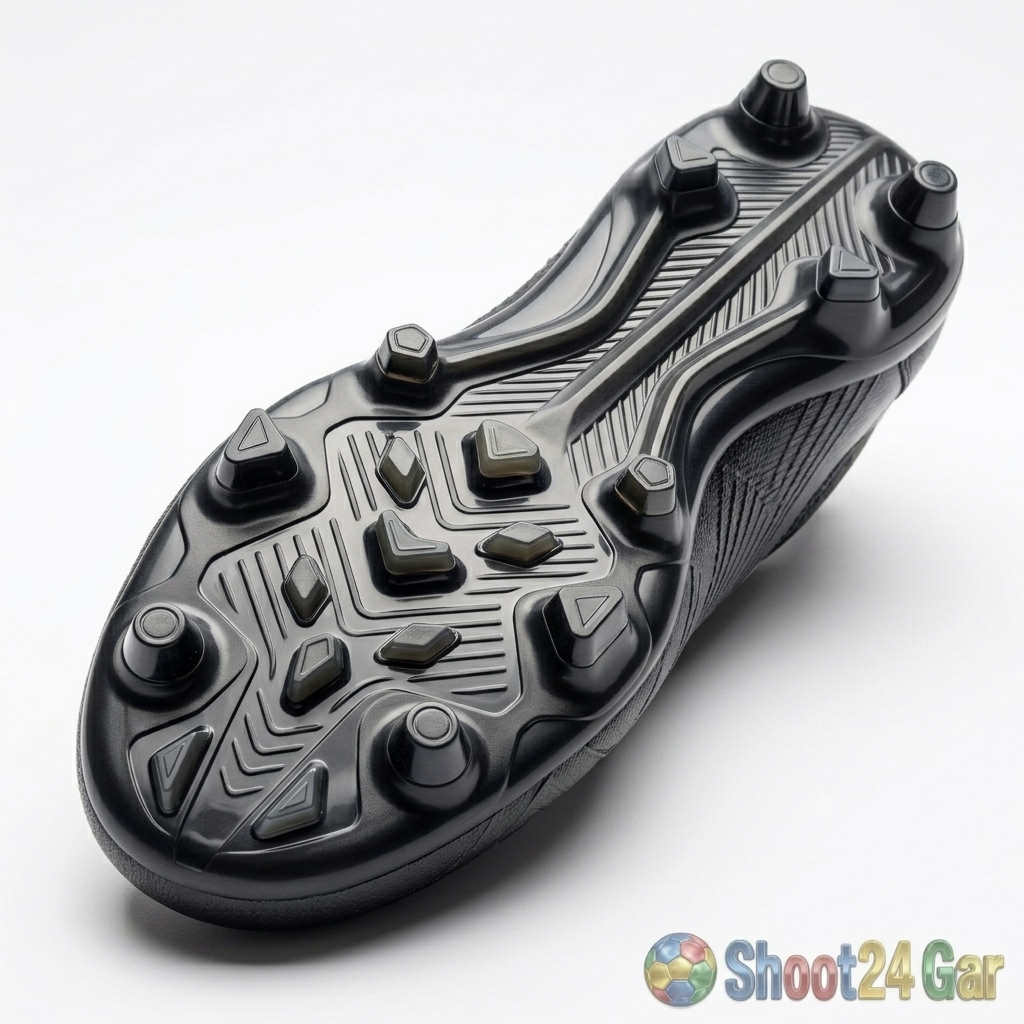
The Future uses Puma’s GripControl Pro outsole, which features a mixed stud configuration designed for agility-oriented movement rather than straight-line speed. The forefoot studs are arranged in a slightly rotated pattern that facilitates quick directional changes — the type of explosive cutting and turning that creative players perform when navigating through defensive lines.
Forefoot flex is good. The soleplate bends naturally at the toe break point, which means the boot does not fight your foot’s natural flexion during sprinting and pushing off. Some stiffer soleplates — particularly those found on speed boots — resist this bending in exchange for energy return, but the Future prioritizes natural foot movement over mechanical efficiency.
Heel traction uses conical studs that provide stable landing and reliable grip during deceleration. The transition between forefoot and heel feels smooth during running, without the abrupt flex point that some split-soleplate designs can create.
On artificial turf, the AG version performs well. The stud distribution is appropriate for synthetic surfaces, and the softer knit upper does not create the abrasion issues that thinner synthetics sometimes encounter. The FG version should be reserved for natural grass — using FG studs on artificial turf is uncomfortable and risks joint strain.
Fit Profile and Break-In
Thanks to the FUZIONFIT+ system, the Future’s fit is genuinely adaptive. Most players report a comfortable fit from the first wearing, which is unusual for a performance boot. The compression bands accelerate the adaptation process that normally takes several sessions with standard boots.
The boot fits medium width through the forefoot, with the FUZIONFIT+ system accommodating slight variations above and below medium. Players with narrow feet report good lockdown — the compression bands tighten around the foot without creating pressure points. Players with medium-wide feet find the boot accommodating enough for comfort, though not as spacious as a leather boot like the Adidas Copa Pure.
The collar (on high-top versions) integrates with the upper seamlessly. Puma’s execution of the sock-collar concept is clean — the transition from upper to collar feels natural, without the bunching or gap issues that some collar designs exhibit. The low-top version omits the collar entirely for players who prefer traditional ankle freedom.
Heel fit is secure. The internal heel counter provides firm support without excessive rigidity, and the compression system extends partially into the heel area, helping to lock the foot in place during directional changes. Heel slippage is rare in the Future when properly sized.
Break-in time is minimal — typically one to two sessions for the boot to feel fully comfortable. This is one of the practical benefits of the adaptive fit system: because the boot adjusts to your foot actively, it does not require the gradual stretching and molding that leather and standard synthetic boots need.
Weight and Performance Category
The Future Elite weighs approximately 200 to 220 grams per boot in a UK size 9. This positions it in the lightweight-to-middleweight range — lighter than most control boots and leather boots, but heavier than dedicated speed boots like the Nike Mercurial Vapor or Adidas X Crazyfast.
This weight class makes sense for the Future’s intended audience. Creative players — attacking midfielders, wingers who rely on close control rather than pure pace, and forwards who combine dribbling with passing — need a boot light enough for sustained movement but substantial enough for comfortable ball interaction. The Future sits precisely in this zone.
Playing Style Suitability
Creative Attackers and Playmakers
The Future is built for this player profile. The adaptive fit accommodates the frequent directional changes that creative players make. The clean ball feel supports close control in tight spaces. The soleplate’s agility-focused design facilitates the quick cuts and turns that define dribbling-based play. If you play with the ball at your feet more often than you sprint behind defensive lines, the Future aligns with your game.
Wingers Who Dribble
Not all wingers are pure speed merchants. Those who beat defenders through skill, feints, and close control rather than pace will find the Future appropriate. The adaptive fit keeps the boot locked to your foot during rapid changes of direction, and the natural ball feel supports the confidence-dependent skill moves that dribbling requires.
Central Midfielders
Box-to-box midfielders who combine passing with dynamic running can use the Future effectively. The comfort during extended sessions suits the high-mileage demands of central midfield, and the balanced soleplate handles the multi-directional movement patterns that the position requires. For midfielders who prioritize passing accuracy above all else, dedicated control boots might offer more ball grip technology, but the Future provides a versatile all-round profile.
Speed-Dependent Players
Pace-focused wingers and strikers who rely primarily on acceleration and top speed may find the Future marginally heavy and its soleplate slightly less responsive than pure speed alternatives. The boot can certainly be used for fast play, but it does not maximize speed-specific characteristics the way that the Mercurial, X Crazyfast, or Puma Ultra do.
Comparison with Puma Ultra
Understanding the difference between Puma’s two elite boot lines clarifies where the Future sits in the market.
The Puma Ultra is Puma’s speed boot — thin, lightweight, minimal construction, built for acceleration. It competes with the Nike Mercurial and Adidas X Crazyfast. The Puma Future is Puma’s skill boot — adaptive fit, balanced construction, built for ball control and creative play. It competes more directly with the Nike Phantom GX and Adidas Predator.
Players choosing between the two should ask themselves a direct question: does your game depend more on outpacing opponents or outskilling them? Raw speed points to the Ultra. Technical ability and close control point to the Future. Some players fall between these categories, and for them, the Future’s balanced profile may actually serve better than either extreme.
Durability and Lifespan
The Future’s durability is mixed. The knit upper holds its shape well thanks to the PWRTAPE reinforcement, but the tape strips themselves can begin peeling after extended use on abrasive surfaces. This peeling is primarily cosmetic in the early stages — the tape’s structural contribution diminishes gradually rather than failing suddenly — but it does affect the boot’s appearance and eventually its support characteristics.
The FUZIONFIT+ compression bands maintain their elasticity well over time. After several months of regular use, the bands still provide noticeable compression, though slightly less than when new. The adaptive fit does not degrade significantly within the boot’s usable lifespan.
On natural grass, the Future typically lasts four to six months of regular training and match use. On artificial turf, expect three to four months before the upper shows significant wear. The soleplate and studs hold up well across both surfaces.
Care and Maintenance
The Future’s knit construction benefits from proper post-match care. After playing, remove the insoles and open the laces fully to allow the interior to dry naturally. Avoid placing the boots near direct heat sources like radiators or hairdryers — excessive heat can damage the FUZIONFIT+ compression bands and cause the PWRTAPE to peel prematurely.
For cleaning, use a damp cloth to wipe down the upper and remove surface dirt. Avoid submerging the boot in water, as the knit material absorbs moisture that takes time to dry completely. The soleplate can be cleaned more aggressively — a stiff brush removes mud and debris from stud channels effectively.
If the PWRTAPE begins peeling at the edges, resist the urge to peel it further. The tape often remains partially bonded and continues providing structural support even when edges lift. Attempting to reattach peeling tape with adhesive is generally ineffective and can damage the underlying knit material.
Tier Differences
The Future line spans several price tiers, and the technology differences between them are substantial.
The Future Ultimate (elite) uses the full FUZIONFIT+ system with all compression bands active, premium knit material, and the GripControl Pro soleplate. This is the tier where the adaptive fit technology delivers its full potential.
The Future Pro uses a simplified version of the compression system with fewer bands and a slightly heavier knit material. The adaptive fit is present but less responsive than the elite version. The soleplate uses a different stud configuration that is functional but less agility-focused.
The Future Play and Future Training tiers remove the FUZIONFIT+ system entirely, using standard synthetic uppers. These are conventional boots that share the Future’s visual design but not its defining technology. They are suitable for casual play and training but do not represent the Future line’s innovation.
Limitations
The FUZIONFIT+ system, while innovative, adds complexity. The multiple compression bands and layers mean more potential failure points compared to simpler constructions. If a compression band loses elasticity prematurely, it affects the boot’s fit in that zone without an easy fix.
The boot’s jack-of-all-trades positioning means it does not excel in any single performance dimension. It is not the fastest boot, not the best ball-grip boot, not the most durable boot, and not the most comfortable boot. It is competitive in all these areas without leading in any of them. Players who know exactly what they prioritize may find a specialist boot serves them better.
Pricing on the Future Elite sits in the premium range. Given that the boot’s unique selling proposition — adaptive fit — is most impactful at the elite tier (lower tiers use simplified versions of the technology), players seeking the genuine Future experience face a significant investment.
Weather performance mirrors other knit boots: adequate in light rain, less effective in heavy downpours. The breathable upper that works well in warm conditions becomes a liability when waterproofing matters. For wet-climate players, boots with coated or synthetic-backed uppers may provide more reliable all-weather performance.
Final Thoughts
The Puma Future occupies a unique space in the football boot market. No other major boot line puts adaptive fit technology at the center of its design philosophy in the way that FUZIONFIT+ does. For players who have struggled to find boots that fit their particular foot shape comfortably, the Future offers a solution that conventional boot design simply cannot match.
Whether that fit innovation is enough to choose the Future over competitors depends on your priorities. If fit is your primary frustration with football boots, the Future deserves serious consideration. If you know exactly what foot shape and fit profile works for you, and a competitor already nails it, the Future’s adaptive technology provides less incremental value.
As always, product specifications and pricing vary between generations. Verify current availability and details on the official Puma website before making any decisions.