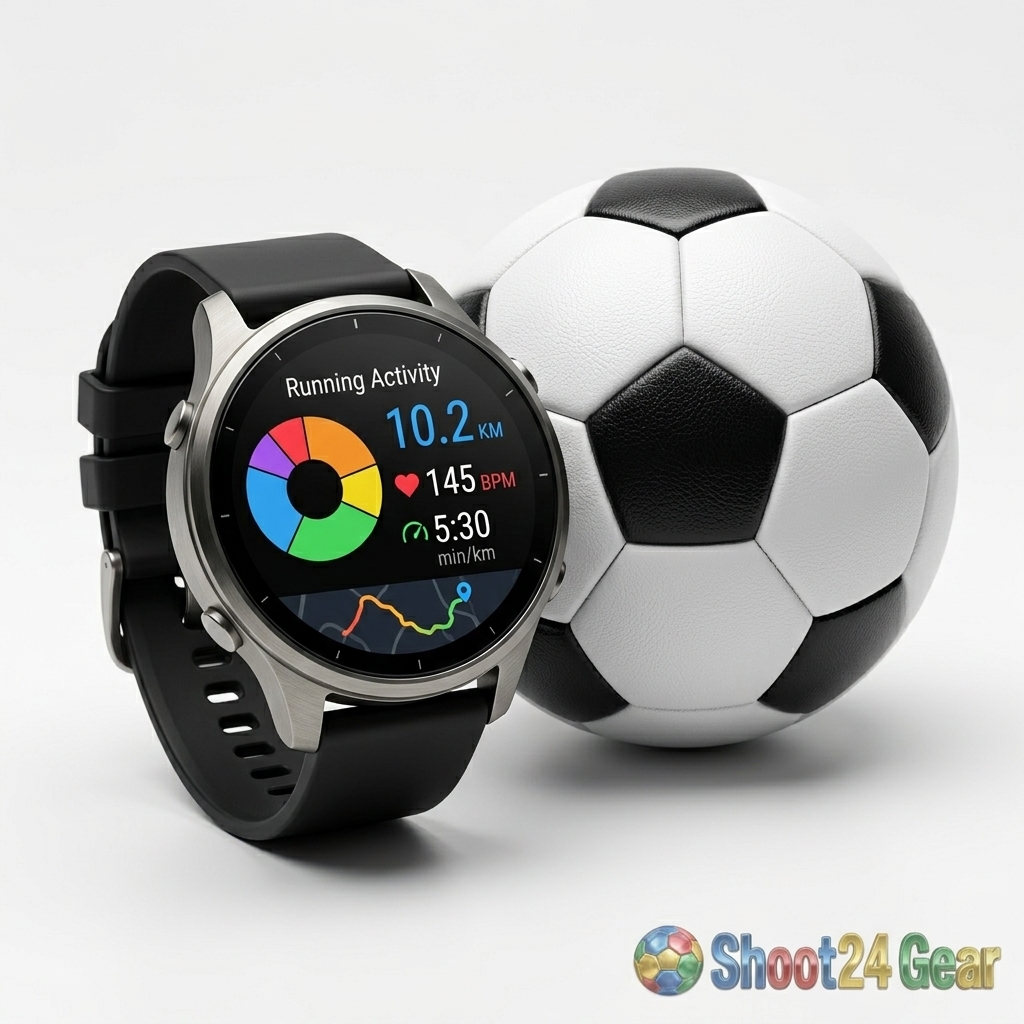
Garmin Forerunner watches provide individual GPS tracking capability at consumer-accessible pricing that makes performance monitoring available to any footballer regardless of whether their club invests in team-level GPS systems like STATSports or Catapult. Originally designed for running, the Forerunner range has evolved into a comprehensive multisport platform with features that serve football training monitoring effectively — GPS distance and speed tracking, wrist-based heart rate monitoring, training load assessment, and recovery metrics that help individual footballers quantify their physical output and manage their training progression objectively.
This guide examines the Garmin Forerunner range specifically from a football perspective, covering the GPS tracking capabilities, heart rate monitoring features, football-relevant metrics, model selection guidance, practical usage considerations, and the realistic expectations that footballers should have when using consumer GPS watches for performance monitoring compared to the professional team tracking systems used at elite competitive levels.
GPS Tracking Capabilities
Garmin Forerunner watches use satellite-based GPS positioning to track movement during outdoor activities. Current Forerunner models support multiple satellite systems — GPS, GLONASS, and Galileo — for significantly improved positioning accuracy and faster satellite acquisition compared to single-system GPS receivers.
Position accuracy: Consumer GPS watches typically provide position accuracy within three to five meters under open-sky conditions. This accuracy is adequate for tracking total distance, average pace, and general movement patterns during football training, but less precise than the dedicated team GPS systems used in professional football that achieve sub-meter accuracy through higher sampling rates and advanced signal processing.
Sampling rate: Forerunner watches sample GPS position at one-second intervals (1Hz), compared to the ten-times-per-second (10Hz) sampling used by professional team systems. This lower sampling rate means rapid changes in direction — the constant turning, cutting, and positional adjustments that football involves — are tracked with less granularity than professional systems provide. Total distance accuracy remains adequate, but sprint speeds and acceleration measurements are less precise due to the lower sampling frequency.
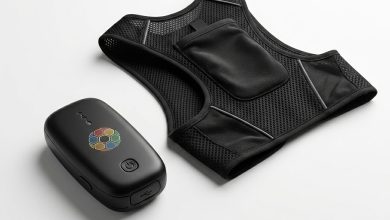
Football-specific considerations: Wrist-mounted GPS watches experience more position variability during football than chest or back-mounted devices because arm swinging during running creates additional movement relative to the body’s center of mass. This wrist-based variability adds noise to the position data that dedicated vest-mounted systems avoid through their more stable mounting position.
Heart Rate Monitoring
All current Garmin Forerunner models include wrist-based optical heart rate monitoring that tracks heart rate continuously during activity and throughout the day.
Optical sensor accuracy: Wrist-based optical heart rate monitoring uses LED light to detect blood flow changes through the skin. This technology provides adequate heart rate tracking for zone-based training monitoring but is less accurate than the chest-strap electrode technology used by Polar Team Pro and dedicated heart rate monitors. High-intensity intervals, rapid heart rate changes, and cold-weather conditions can affect optical sensor accuracy.
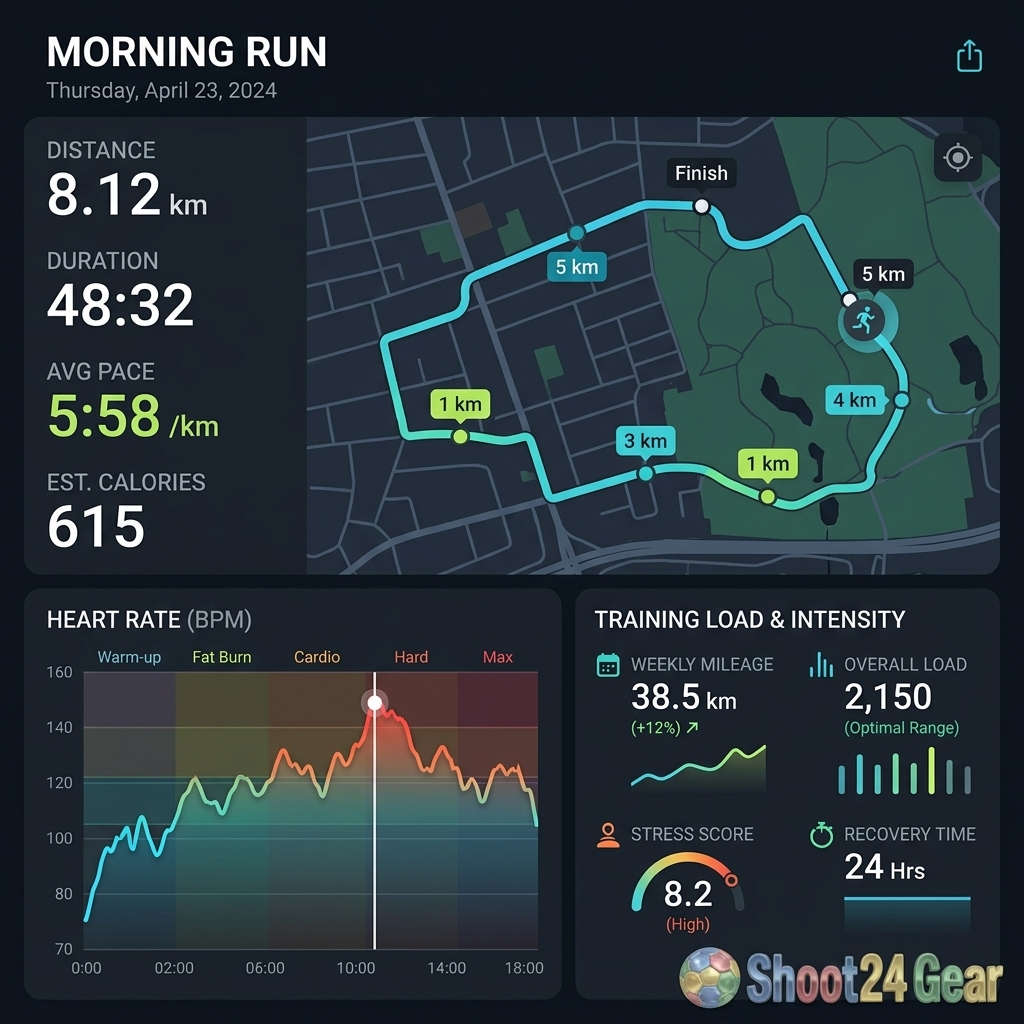
Heart rate zones: Forerunner watches calculate personalized heart rate zones based on maximum heart rate and resting heart rate measurements. Zone distribution during football training shows how much time the player spent at each intensity level — light activity, moderate effort, vigorous activity, and maximum intensity. This zone data helps footballers understand the physiological demands of their training sessions objectively.
Resting heart rate tracking: Continuous 24/7 heart rate monitoring tracks resting heart rate trends over time. Declining resting heart rate indicates improving cardiovascular fitness, while increasing resting heart rate may indicate fatigue, illness, or insufficient recovery. This trend data provides valuable long-term fitness monitoring that helps footballers assess their conditioning progression across training blocks and seasons.
Football-Relevant Metrics
Total distance: The most immediately useful metric for football monitoring — total distance covered during a training session or match provides objective measurement of physical output. Tracking distance across sessions enables workload comparison and ensures training loads are appropriate for the player’s fitness level and training phase.
Pace and speed: Average and maximum speed measurements during sessions show running intensity. While the 1Hz sampling rate limits sprint speed accuracy compared to professional systems, the general pace profile of a session provides useful intensity information for individual training management.
Training load: Garmin’s Training Load metric combines heart rate data with activity duration and intensity to quantify the physiological stress of each session. The seven-day training load trend shows whether the player’s current training volume is within productive ranges or approaching overtraining territory. This metric helps individual footballers manage their total training load across team sessions, individual training, and other physical activities.
Recovery time: Garmin estimates recovery time needed after each training session based on training load, heart rate data, and historical patterns. While these estimates are algorithmic approximations rather than precise physiological measurements, they provide useful guidance for scheduling training intensity and ensuring adequate recovery between demanding sessions.
VO2 Max estimate: Forerunner watches estimate VO2 Max — maximum oxygen consumption capacity — from heart rate and pace data during running activities. While less accurate than laboratory VO2 Max testing, the estimated trend provides useful long-term fitness development tracking that shows whether cardiovascular capacity is improving, maintaining, or declining across training periods.
Model Selection for Football
Forerunner 55/165: Entry-level models providing core GPS tracking, heart rate monitoring, and basic training metrics. These models cover the essential monitoring needs for amateur footballers seeking objective training data without advanced analytical features. The lower pricing makes these accessible entry points for individual performance monitoring.
Forerunner 265: Mid-range model adding AMOLED display, advanced training metrics, Training Readiness score, and multi-band GPS for significantly improved positioning accuracy. The 265 provides the optimal balance of football-relevant features and value for serious amateur footballers who want comprehensive training monitoring without professional-level investment.
Forerunner 965: Premium model with the largest display, longest battery life, advanced training analytics, mapping capability, and the full suite of Garmin’s physiological metrics. The 965 suits footballers who also participate in other endurance sports (running, cycling) where the advanced metrics provide additional value beyond football-specific use.
Practical Considerations for Football Use
Wrist safety: Many football competitions prohibit watches and jewelry during matches for safety reasons. Check competition regulations before wearing a Garmin during matches. Even in training, wrist-worn devices create potential injury risk during tackles and contact situations. Some footballers wear their watch under wristbands or tape for additional protection, though this may affect GPS signal reception and heart rate sensor accuracy.
Activity profile selection: Garmin watches do not include a football-specific activity profile. Most footballers use the “Other” or “Cardio” activity profile during football sessions. This generic profile applies general algorithms rather than football-specific processing, meaning some derived metrics (particularly calorie estimation and training effect classification) may be less accurate than they would be with a sport-specific algorithm.
Battery life: GPS tracking drains battery significantly. Forerunner models provide approximately twenty to thirty hours of continuous GPS tracking on a full charge, comfortably covering multiple training sessions between charges. However, continuous 24/7 heart rate monitoring and daily use between sessions reduces the time between charges to approximately five to seven days for most models.
Limitations Compared to Team Systems
Understanding what consumer GPS watches cannot do relative to professional team systems prevents unrealistic expectations and ensures appropriate use of the available data.
No acceleration metrics: Forerunner watches lack the high-frequency inertial measurement units (IMUs) that professional systems use to track accelerations, decelerations, and changes of direction. These explosive movement metrics are among the most football-relevant performance indicators, and their absence is a significant limitation of consumer GPS watches for football analysis.
No team comparison: Individual GPS watches provide personal data only — there is no team dashboard, squad comparison, or multi-player analytics platform. Each individual player’s data exists in complete isolation within their personal Garmin Connect account, requiring manual collation for any team-wide analysis. Team-level analysis requires manual data aggregation that professional systems automate.
No live coaching access: Unlike team systems that provide real-time data to coaching staff, Garmin watch data is available only to the individual wearer during the session and to anyone they share their Garmin Connect data with after the session. Coaches cannot monitor player data in real time during training.
Garmin Connect Platform
Garmin Connect — the companion app and web platform — stores, analyzes, and displays all activity data from Forerunner watches.
Session analysis: Each recorded session shows distance, pace, heart rate zones, training load, and map data on the Garmin Connect app and web platform. The detailed session view provides comprehensive and informative post-session analysis that helps footballers understand the full physical demands of each training session and match they participate in.
Long-term trends: Garmin Connect tracks fitness metrics over time — VO2 Max trend, training load progression, resting heart rate changes, and recovery patterns. These longitudinal trends are the most valuable analytical capability Garmin provides for football development monitoring, showing whether the player’s physical capacity is developing appropriately across training periods and competitive seasons.
Alternative Watch Brands
While Garmin dominates the multisport GPS watch market, alternative brands provide comparable football-relevant functionality at different price points and with different feature emphases.
Apple Watch: Apple Watch provides GPS tracking and optical heart rate monitoring with the iPhone ecosystem integration that appeals to Apple users. The Apple Watch platform is less sports-focused than Garmin, with fewer training-specific metrics and shorter battery life during GPS tracking. However, the familiar iPhone integration and extensive app ecosystem make Apple Watch accessible to footballers who prioritize daily wearability alongside sports monitoring.
Polar Vantage: Polar’s Vantage series provides individual GPS tracking with Polar’s superior heart rate monitoring expertise. The Polar platform’s training load and recovery features are comparable to Garmin’s, with particular strength in heart rate-derived physiological metrics. Polar’s integration with Polar Team Pro creates a unified ecosystem for clubs using Polar team systems alongside individual player monitoring.
COROS PACE: COROS provides competitive GPS tracking and training metrics at pricing that typically undercuts Garmin equivalents. The COROS platform is maturing rapidly but has a smaller user community and fewer third-party app integrations than the established Garmin Connect ecosystem. For budget-conscious footballers seeking core GPS and heart rate monitoring without premium pricing, COROS represents a strong value alternative.
Data Sharing with Coaches
Individual GPS watch data can be shared with coaching staff through several mechanisms, partially bridging the gap between individual monitoring and team-level analysis.
Garmin Connect sharing: Players can share their Garmin Connect activity data with coaches through the connection feature, allowing coaches to view session summaries, training load trends, and fitness metrics for each connected player. This is not real-time monitoring but provides post-session data access that enables coaching staff to incorporate individual player data into training planning decisions.
Manual reporting: Simple session metrics — total distance, maximum heart rate, time in heart rate zones — can be manually reported by players after each session. Creating a standardized reporting template that players complete after each training session builds a squad-wide dataset from individual device data, enabling basic team-level analysis without team system investment.
Third-party platforms: Training analysis platforms like TrainingPeaks, Strava, and SportTracks can aggregate data from multiple individual devices, providing coaching staff with a centralized dashboard for reviewing individual player data from different device brands. These platforms add subscription cost but enable team-wide data management from consumer-level devices.
Youth Football Applications
GPS watches provide age-appropriate performance monitoring for youth footballers when used thoughtfully with proper context and expectations.
Development tracking: Monitoring distance covered and running speeds across seasons provides objective measurement of physical development that complements subjective coaching assessment. Tracking these metrics over twelve to twenty-four month periods shows physical development trends that help coaches, parents, and players understand individual growth trajectories.
Engagement benefits: Many youth players find performance data motivating and engaging. The gamification elements in Garmin Connect — personal records, badges, challenges — can encourage consistent physical activity and training engagement outside of organized team sessions. This powerful motivation benefit should not be underestimated for youth players developing lifelong exercise habits and physical activity enjoyment through regular football participation.
Cautionary considerations: Performance data can create unhealthy comparison and competition among youth players if not managed appropriately. Coaches and parents should emphasize individual improvement trends rather than inter-player comparison, and should contextualize data within the understanding that physical development rates vary significantly between individuals, particularly during adolescent growth periods.
Watch Maintenance
Cleaning: Rinse the watch and strap with fresh water after each training session to remove sweat, dirt, and grass debris. Salt from sweat can irritate skin beneath the strap and degrade strap materials over time. Regular cleaning maintains sensor accuracy by keeping the optical heart rate sensor window clean and free from obstruction.
Strap replacement: Silicone watch straps are consumable components that degrade through regular athletic use. Expect to replace straps annually for daily-use watches. Garmin offers replacement straps in various colors, and third-party compatible straps provide budget-friendly alternatives. Replace straps when they show visible cracking, discoloration, or reduced flexibility that affects comfortable and secure fit during training.
Software updates: Keep watch firmware updated through the Garmin Connect app. Software updates improve GPS accuracy algorithms, heart rate processing, and training metrics calculations. Automatic update settings ensure the watch consistently benefits from the latest available improvements without requiring manual update management or user intervention.
Accessories for Football Use
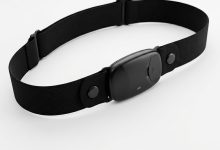
Chest strap heart rate monitor: For improved heart rate accuracy during football, pair the Forerunner watch with a Garmin HRM-Pro chest strap. The chest-mounted electrode sensor provides significantly more accurate heart rate data than wrist-based optical monitoring, particularly during the variable-intensity movements that football involves. The chest strap transmits data wirelessly to the watch, which records and displays the more accurate chest-based heart rate during the session.
Screen protectors: Football training exposes watches to impact, grass abrasion, and contact situations that can damage the watch face. Tempered glass screen protectors provide impact resistance that prevents costly screen damage during training. The modest investment in screen protection is strongly recommended for any watch worn during football activity.
Protective cases: Bumper cases that surround the watch body provide additional impact protection during contact situations. While adding slight bulk, protective cases significantly reduce the risk of case damage from tackles, ball impacts, and surface contact during training and match situations.
Summary
Garmin Forerunner watches provide accessible individual GPS tracking and heart rate monitoring for footballers who want objective performance data without team-level system investment. The distance tracking, heart rate monitoring, training load assessment, and recovery metrics provide genuine training management value that helps individual players monitor their physical output and fitness development progression.
Understand the limitations relative to professional team systems — lower GPS sampling rates, no acceleration metrics, no team-level analytics — and use Garmin data appropriately for individual training management rather than detailed performance analysis. Select models based on the careful balance of available features and budget that suits your specific monitoring requirements, training level, and long-term development objectives as a footballer.
Model specifications, feature sets, available accessories, and pricing all change between product generations as Garmin continues developing their Forerunner platform. Always verify current Garmin Forerunner specifications, model availability, and pricing on the official Garmin website before making any purchasing decisions for individual football performance monitoring.