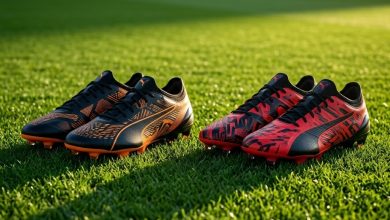
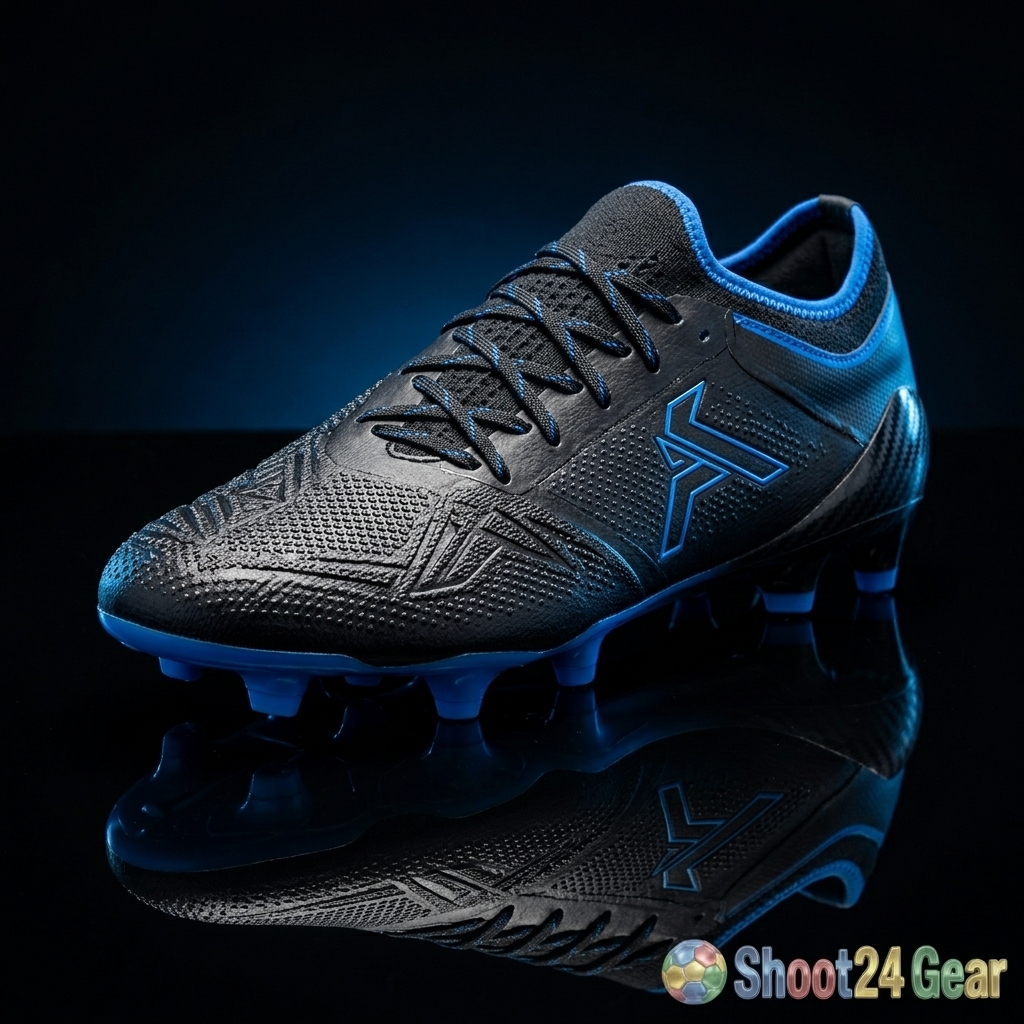
The Nike Phantom GX represents Nike’s answer to a specific football problem: how do you build a boot that enhances ball grip and shooting accuracy without adding the bulk that typically comes with textured surfaces? It is a question that has occupied boot designers for decades, and the Phantom GX’s approach — using a material Nike calls Gripknit — offers one of the more interesting solutions currently available.
This is not a speed boot. It does not compete with the Mercurial line for lightweight, acceleration-focused players. Instead, the Phantom GX sits in the control-and-touch category, targeting players who want enhanced ball interaction during passing, receiving, and shooting. Think of it as Nike’s internal rival to boots like the Adidas Copa Pure and the New Balance Tekela — boots built for players whose game depends on what happens when foot meets ball.
Gripknit Technology: What It Actually Does
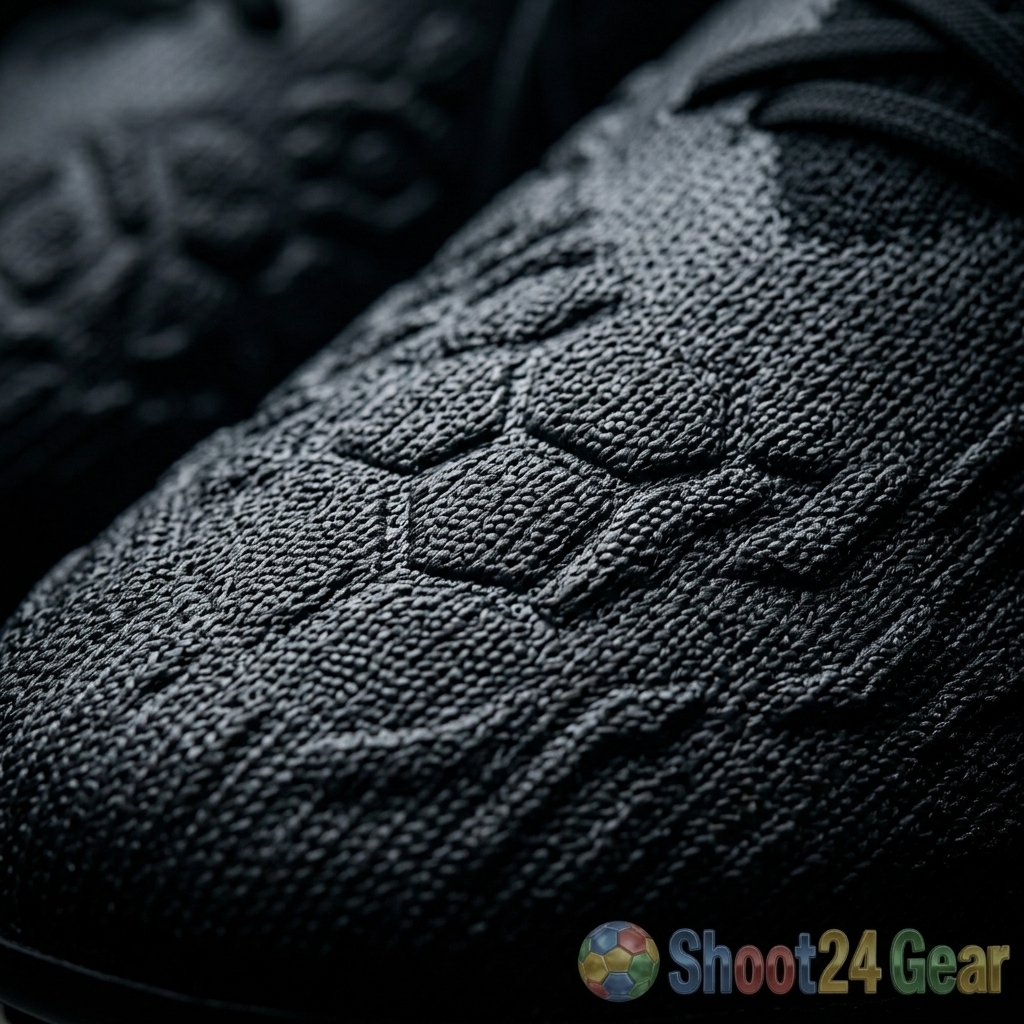
The headline technology on the Phantom GX is Gripknit, a textured knit material that covers the upper and creates micro-grip points across the striking surface. Unlike the rubber elements found on Adidas Predator models, Gripknit is integrated into the fabric itself rather than applied on top. The texture is part of the knit structure, not an add-on layer.
In practical terms, this means the boot offers ball grip without the stiffness that rubber zones can introduce. When you receive a driven pass, the Gripknit surface cushions the ball slightly and holds it closer to your foot than a smooth synthetic upper would. The effect is subtle — do not expect the ball to stick to your foot like glue — but it is perceptible, especially during first touches at pace and when striking a wet ball.
The texture extends across the forefoot, instep, and upper medial side. Nike placed the grip zones based on heat-mapping data from professional players, concentrating texture where foot-to-ball contact occurs most frequently during match play. The lateral side has less texture, which makes sense because most technical interactions happen on the medial and top surfaces of the foot.
One genuine advantage of the Gripknit approach over applied rubber textures is consistency over time. Rubber elements can wear down or peel after extended use, particularly on abrasive artificial surfaces. Because Gripknit’s texture is part of the material structure, it degrades more gradually — the boot’s grip characteristics remain relatively stable throughout its usable lifespan.
Off-Center Lacing System
The Phantom GX shifts its lacing system to the side of the foot rather than running straight down the center. This design choice serves a specific purpose: it creates a larger, uninterrupted striking surface across the instep.
Traditional center-laced boots have a seam and lace channel running directly through the area where many players make contact during shots and passes. Moving the laces to the side eliminates this interruption. The result is a smooth, continuous Gripknit surface from the toe box across the instep, which theoretically provides a more consistent striking platform.
In practice, the benefit is most noticeable during driven shots and long passes where the instep makes full contact with the ball. For short passes played with the inside of the foot, the lace position matters less because contact happens lower on the medial side regardless.
The off-center lacing does affect the fit adjustment. Some players find it slightly less intuitive to tighten than a traditional center lace because the tension distribution is asymmetric. It takes a few wearings to figure out the right tightness balance — too tight on the offset lace can create pressure points on the lateral midfoot.
Upper Construction and Feel
Beyond the Gripknit technology, the Phantom GX’s upper uses a combination of NikeSkin and knit materials. The boot feels softer than the Mercurial but firmer than a natural leather boot. It occupies a middle ground — enough flex for comfort, enough structure for support.
The forefoot area offers reasonable touch sensitivity despite the textured surface. You can feel the ball through the upper, though not as intimately as through a thin Flyknit or leather material. This is the trade-off of any textured boot: you gain grip but sacrifice some of that clean, barefoot connection.
The collar varies between the Phantom GX high-top (with Dynamic Fit collar) and the low-top version. The high-top provides ankle integration and a sock-like feel around the joint. The low-top offers a more traditional cut with easier entry and exit. Neither version is superior — the choice depends on whether you prefer ankle coverage or freedom of movement around the ankle joint.
Weather resistance is decent. The Gripknit material does not absorb water as readily as pure Flyknit, and the textured surface helps maintain ball grip in light rain. In heavy downpours, no knit boot stays completely dry, but the Phantom GX handles moisture better than most thin-knit alternatives.
Soleplate and Traction
The Phantom GX uses a soleplate that balances stability with agility. The stud configuration combines triangular studs in the forefoot with conical studs in the heel, creating a pattern suited to multi-directional movement rather than straight-line sprinting.
Forefoot traction is reliable during push-offs and rotational movements. The triangular studs provide enough grip for sharp turns without the excessive lock-in that blade studs can produce on firm surfaces. The conical heel studs offer stable landing and deceleration, which matters for players who frequently drop back to receive passes facing their own goal.
The plate itself has moderate flex through the midfoot. It is stiffer than a traditional leather boot soleplate but more flexible than the carbon-fiber-style plates found in speed boots. This middle-ground stiffness suits the boot’s intended audience — players who move in all directions rather than primarily forward.
On firm natural grass, the soleplate performs well. On artificial turf, the AG version uses shorter, more numerous studs that distribute pressure across the foot and reduce the jarring feeling that FG studs can cause on hard synthetic surfaces. If you play primarily on artificial turf, the AG version is strongly worth considering, as the FG version can cause discomfort and joint stress on these harder surfaces.
Fit Profile and Sizing
The Phantom GX fits medium width through the forefoot, which positions it between the narrow Mercurial and the slightly wider Adidas boots. Players with medium-width feet and a normal arch should find the fit comfortable from the first wearing.
The forefoot area is not especially roomy, but it does not pinch in the way that the Mercurial can. The Gripknit material has some adaptive stretch, meaning the boot molds to foot shape over the first few sessions. By the third or fourth wearing, the upper has usually adjusted to your foot’s contours.
Heel lockdown is solid. The internal heel counter holds the foot in place during changes of direction, and the collar (on high-top versions) adds an extra layer of ankle security. Heel slippage is rare in the Phantom GX when properly sized.
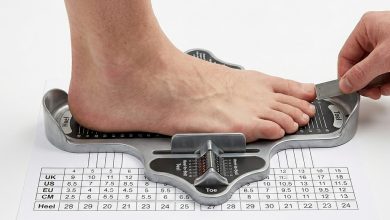
Sizing recommendation: most players find true-to-size works well. If you are between sizes and prioritize a snug performance fit, going with the smaller size is usually the better choice because the Gripknit stretches to accommodate. If comfort during long training sessions is the priority, the larger size provides more immediately comfortable spacing.
Weight and Build Quality
The Phantom GX Elite weighs approximately 210 to 225 grams per boot in a UK size 9, placing it firmly in the middleweight category. It is noticeably heavier than the Mercurial Vapor (around 185 grams) but lighter than many traditional leather boots.
Build quality on the elite version is strong. The Gripknit material holds up well to regular use, and the stitching and bonding around stress points — the toe box, medial fold line, and collar junction — show good construction standards. The soleplate attachment is secure, with no reports of widespread separation issues.
The Pro and Academy versions use different materials (standard synthetics instead of Gripknit) and are heavier, typically 240 to 270 grams. These versions lose the distinctive texture that defines the elite model, which means the primary selling point of the Phantom GX — its ball grip — is significantly reduced in lower tiers. If the Gripknit technology is the reason you are choosing this boot, the elite version is the one that delivers the intended experience.
Playing Style Suitability
The Phantom GX suits a specific type of player: someone who values ball manipulation, passing accuracy, and striking consistency over raw speed. The boot does not try to make you faster. It tries to make your touch, your first reception, and your shooting more predictable and controlled.
Attacking Midfielders and Playmakers
This is the Phantom GX’s core audience. Players who receive the ball in tight spaces, play one-touch passes, and shoot from the edge of the area benefit most from the Gripknit surface and the clean instep striking zone. The boot’s weight and soleplate design support the constant change-of-direction movement that attacking midfielders perform throughout a match.
Central Midfielders
Box-to-box midfielders and deep-lying playmakers can also benefit from the Phantom GX, particularly those whose game revolves around ball distribution. The stable soleplate suits the defensive phase of midfield play, and the ball grip aids passing under pressure.
Strikers Who Rely on Technique
Strikers who play with back to goal, link play, and finish with precision rather than power will find the Phantom GX appropriate. The clean striking surface and ball grip provide consistent contact during finishing, particularly when shooting across goal or placing the ball into corners. Pace-dependent strikers will likely prefer the Mercurial or similar speed-focused alternatives.
Defenders
The Phantom GX is not a typical defender’s boot, but ball-playing center-backs who build from the back may appreciate the improved ball grip during distribution under pressure. For defenders who prioritize durability and protection over touch enhancement, a traditional leather boot might serve them better.
Comparison with Competitors
The Phantom GX occupies a specific market position. Understanding where it sits relative to alternatives helps clarify whether it matches your needs.
Against the Adidas Predator: both are control-oriented boots, but they approach the concept differently. The Predator uses applied rubber zones for grip, the Phantom GX uses integrated Gripknit texture. The Predator feels slightly stiffer in the forefoot, while the Phantom GX offers more flexibility. Both suit midfielders and technical players, but the Phantom GX provides a closer-to-foot ball feel.
Against the Nike Mercurial: these serve completely different purposes. The Mercurial is lighter, thinner, and built for speed. The Phantom GX is heavier, more textured, and built for touch. Choosing between them depends on whether your game is defined by pace or by technical ball work.
Against the Puma Future: the Puma Future offers adaptive fit through its lacing system and a softer upper feel. The Phantom GX provides more grip through its Gripknit technology. The Future tends to feel more customizable in fit, while the Phantom GX offers more consistent ball interaction technology.
Break-In Period and Long-Term Comfort
New football boots rarely feel perfect on day one, and the Phantom GX is no exception — though it fares better than many alternatives in this regard.
The Gripknit upper requires approximately three to four sessions to fully conform to your foot shape. During the first two wearings, the forefoot area can feel slightly rigid as the knit material has not yet stretched to match your foot’s contours. The off-center lacing system also takes some adjustment — most players spend the first few sessions experimenting with lace tension to find the right balance between lockdown and comfort.
By the third or fourth session, the boot typically settles. The Gripknit softens and adapts, the collar (on high-top versions) becomes less noticeable around the ankle, and the soleplate flexes more naturally with your foot’s movement patterns. At this stage, the boot begins to feel like an extension of your foot rather than something you are wearing.
Long-term comfort is generally strong. The padding in the heel area maintains its cushioning over months of use, and the insole provides adequate arch support for most foot types. Players with particularly high or flat arches may benefit from replacing the stock insole with an aftermarket option tailored to their arch profile — this is true of most football boots, not a Phantom GX-specific issue.
One comfort note specific to the high-top version: the Dynamic Fit collar can feel restrictive during the break-in period, particularly for players who are accustomed to low-cut boots. The sensation of material around the ankle takes time to normalize. If you find collar-style boots uncomfortable after extended wear, the low-top Phantom GX eliminates this concern entirely while retaining all the Gripknit technology benefits.
Surface-Specific Performance
How a boot performs varies significantly depending on the playing surface, and the Phantom GX is no exception.
On firm natural grass — the surface most football boots are primarily designed for — the Phantom GX performs at its strongest. The FG stud pattern penetrates natural turf cleanly, providing reliable traction without excessive stud pressure. Ball control and striking feel natural, and the Gripknit texture works effectively because the ball behavior on natural grass is predictable and consistent.
On artificial turf (3G/4G), performance depends heavily on whether you are wearing the correct soleplate version. The FG version on artificial turf creates excessive grip that stresses joints and can feel jarring during quick stops. The AG version, with its shorter, more numerous studs, distributes pressure more evenly and allows smoother transitions between movements. If you play more than half your football on artificial surfaces, the AG version is the appropriate choice.
On soft or wet natural grass, the Phantom GX handles reasonably well. The Gripknit’s moisture management is adequate — not exceptional, but better than pure Flyknit constructions. The stud pattern provides sufficient penetration on soft ground, though dedicated SG boots with longer studs offer superior grip in genuinely muddy conditions. For pitches that are damp but not waterlogged, the FG Phantom GX manages fine.
On hard ground or indoor surfaces, the Phantom GX is not recommended. The FG/AG stud patterns are designed for grass and turf, and using them on hard court or concrete surfaces causes rapid stud wear and poor traction. For indoor play, dedicated indoor football shoes with flat rubber outsoles are the appropriate choice.
Limitations Worth Knowing
Every boot has weaknesses, and being honest about them helps make better decisions.
The off-center lacing system does not suit everyone. Some players find the asymmetric tension uncomfortable or unintuitive, and it can create pressure on the lateral midfoot if overtightened. If you have particularly sensitive feet, try the boot on before committing.
The Gripknit texture, while durable compared to applied rubber, will still wear down over extended use on artificial turf. Players training five days per week on synthetic surfaces should expect reduced texture effectiveness after three to four months.
The weight, while competitive for a control boot, is noticeable if you are accustomed to sub-200-gram speed boots. Transitioning from a Mercurial to a Phantom GX requires an adjustment period where the boot can feel heavy during the first few sessions.
Finally, the price of the elite version reflects its specialized technology. If the Gripknit texture is not something you specifically value, there are lighter and less expensive alternatives that offer good all-round performance without the premium cost.
Final Assessment
The Phantom GX fills a genuine gap in Nike’s lineup — a boot designed for control-oriented players who want enhanced ball grip without the weight and rigidity of traditional rubber-textured alternatives. The Gripknit technology delivers measurable benefits during passing, receiving, and striking, particularly in wet conditions.
It is not a boot for everyone. Speed-focused players will find it too heavy. Players who prefer a clean, untextured ball feel will find the Gripknit surface unnecessary. But for attacking midfielders, playmakers, and technical strikers who want their boot to actively improve ball interaction, the Phantom GX represents a well-considered piece of football engineering.
As with any football boot, specifications and pricing change between generations. Verify current details on the official Nike website before making any purchasing decisions.