Goalkeeper pants are among the most overlooked pieces of goalkeeper-specific equipment, yet they serve a critical protective function that directly affects a goalkeeper’s willingness to commit fully to saves. When a goalkeeper hesitates before diving because they know the ground impact will hurt their hip or knee, that hesitation can cost goals. Properly padded goalkeeper pants effectively remove this hesitation by providing the physical confidence and psychological assurance that repeated ground contact during dives will not cause debilitating pain, lasting bruising, or cumulative joint injury throughout a demanding season of regular competitive goalkeeping.
Unlike goalkeeper jerseys where padding focuses primarily on the elbows, goalkeeper pants distribute protection across multiple impact zones — hips, knees, and sometimes thighs — that regularly contact the ground during the varied and often unpredictable diving, sliding, and collapsing movements that characterize modern goalkeeping at all competitive levels. This comprehensive guide examines the padding systems, fabric technologies, design features, and practical selection considerations that distinguish proper goalkeeper pants from standard football training trousers and help goalkeepers make informed purchasing decisions.
Padding Zones
Hip Padding
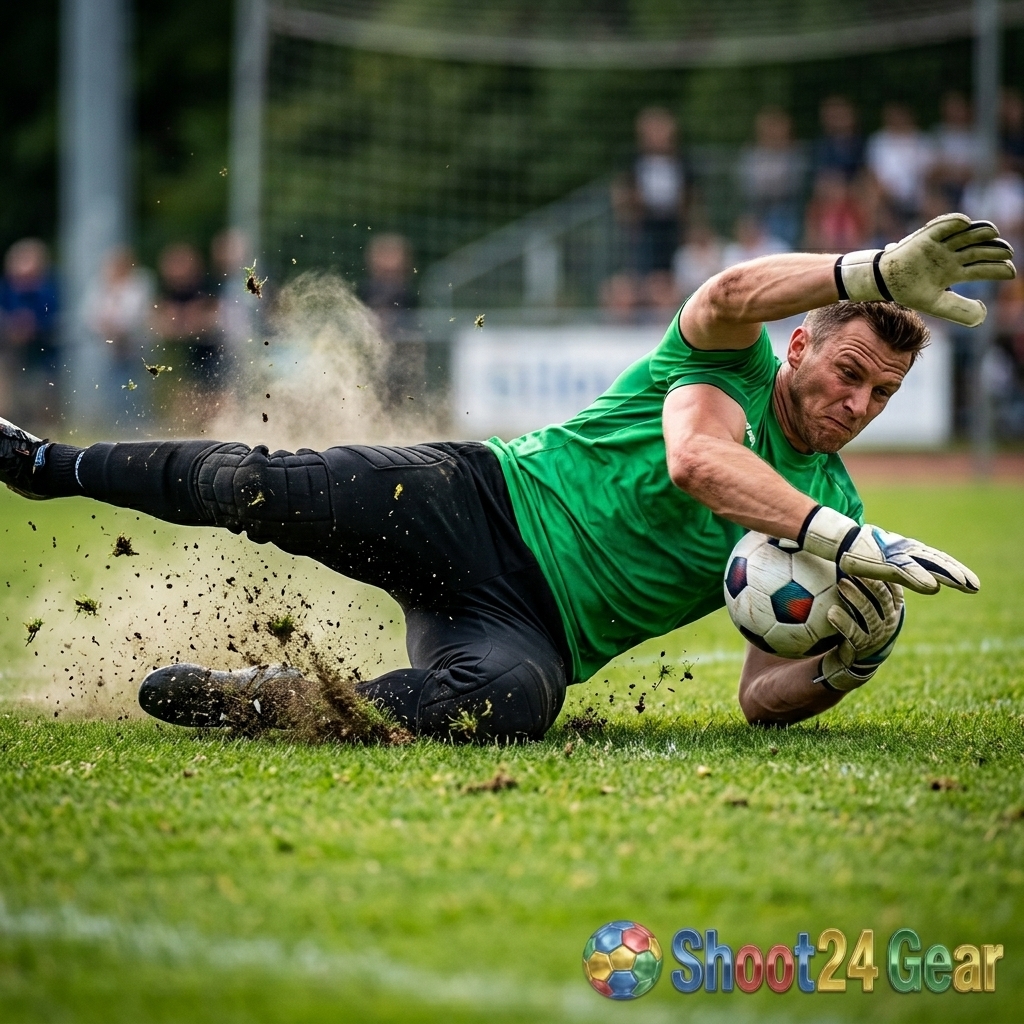
The hip is the primary ground contact point during lateral diving saves — the most common diving direction for shot-stopping. When a goalkeeper dives to either side, the hip on the landing side absorbs the initial impact force before the body rolls to distribute the remaining energy. Without adequate hip padding, this impact creates bruising that accumulates over multiple training sessions and matches, becoming progressively more painful and limiting the goalkeeper’s diving commitment.
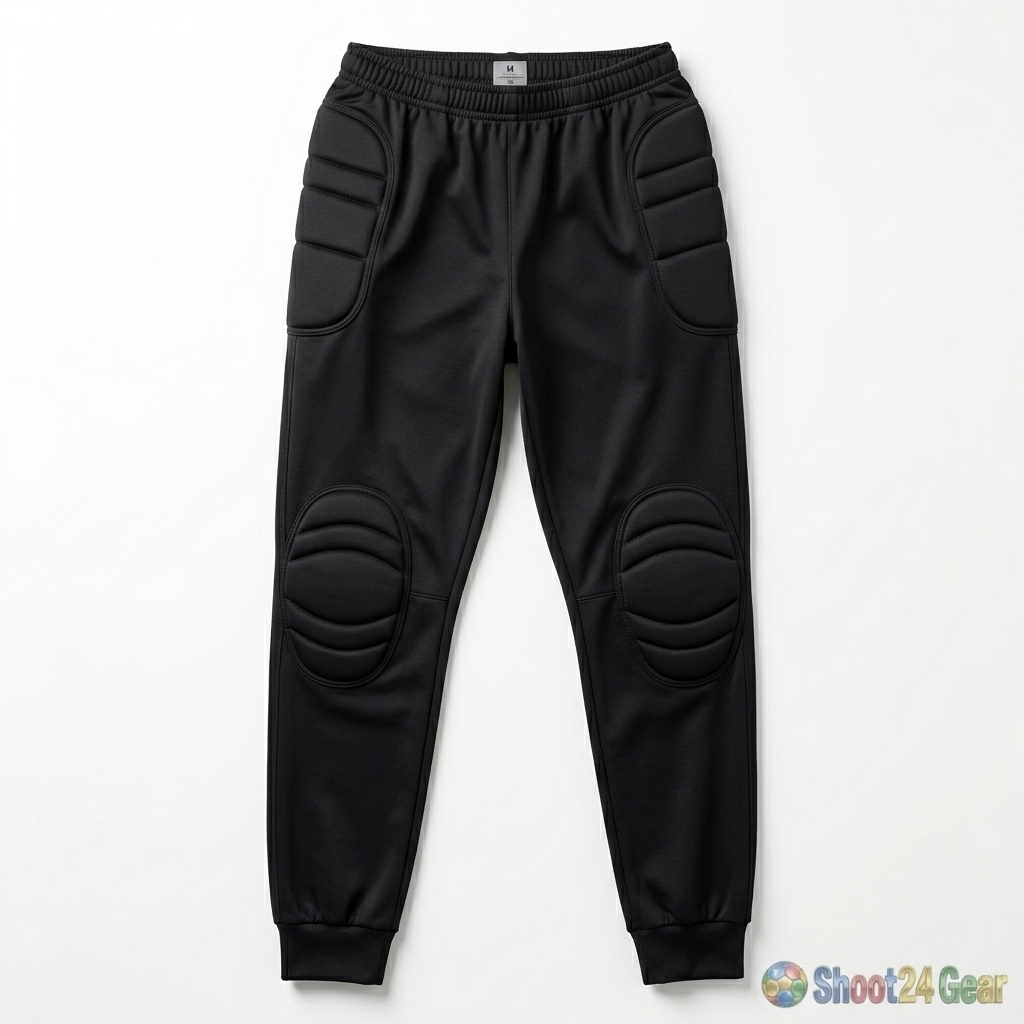
Premium goalkeeper pants use substantial foam padding over the hip joint area, extending from the upper thigh to the lower hip bone. This padding is typically 8-12mm thick — significantly thicker than elbow padding in goalkeeper jerseys — because the hip absorbs greater impact forces during full-body dives than the elbows do during arm-first ground contact.
The hip padding must balance protection with flexibility. The hip joint requires significant range of motion for kicking, running, and the explosive lateral movements of shot-stopping. Padding that restricts hip mobility defeats its purpose by limiting the goalkeeper’s ability to perform the dives it is designed to protect. Premium hip padding uses segmented foam sections that flex with the joint while maintaining protective coverage over the impact zone.
Knee Padding
Knee protection serves two functions: absorbing impact during knee-first slides and protecting against abrasion during ground contact. Goalkeepers who collapse forward to block low shots frequently land on one or both knees, and the knee joint’s bony structure provides minimal natural cushioning for this type of impact.
Goalkeeper pants typically use thinner, more flexible padding at the knees compared to the hips because the knees require greater range of motion for running and bending. The padding must allow full knee flexion without bunching or restricting movement. Multi-piece padding designs that follow the natural contour of the kneecap and surrounding joint structures provide significantly better protection-flexibility balance than rigid single-piece foam inserts that can feel stiff during running and bending movements.
On artificial turf surfaces, knee padding becomes particularly important because the hard, abrasive surface creates both impact damage and friction burns during knee slides. Goalkeepers who regularly play competitive matches or train on artificial surfaces should prioritize pants with robust knee padding and reinforced fabric over the knee area to resist the accelerated wear that artificial surfaces cause.
Thigh Padding
Some premium goalkeeper pants include thigh padding that protects against ball impact during close-range saves where the goalkeeper uses their legs as a blocking surface. This padding is thinner than hip or knee protection because direct thigh impact occurs less frequently, but it adds meaningful protection for goalkeepers who use a wide-body blocking technique during one-on-one situations.
Fabric and Construction
Goalkeeper pants use fabrics selected for ground contact durability, moisture management, and comfortable movement during the athletic demands of goalkeeping.
Outer fabric: The outer fabric must resist abrasion from repeated ground contact without deteriorating quickly. Heavyweight knit fabrics or woven materials with reinforced contact zones provide the durability needed for regular goalkeeping use. The fabric weight is typically heavier than standard training pants because the added thickness contributes to both durability and a degree of impact absorption independent of the dedicated padding zones.
Padding integration: Premium goalkeeper pants integrate padding directly into the trouser construction, fixing the protective elements in position so they stay aligned with the body’s impact zones during movement. Removable padding inserts offer the flexibility to wash pants without the padding but carry the risk of the inserts shifting during play if the retention pockets are not secure.
Moisture management: The inner lining of goalkeeper pants should wick moisture away from the skin to prevent the uncomfortable dampness that accumulates during active goalkeeping. Performance fabric linings provide better comfort than cotton-based interiors, particularly during warm-weather play where sweat production is higher.
Elastic construction: The waistband and ankle cuffs use elastic construction to keep the pants securely positioned during play. A drawstring waist provides adjustable fit, while elasticated ankle cuffs prevent the pant legs from riding up during dives and exposing unpadded skin to ground contact.
Length Options
Full-length pants: Provide maximum coverage from waist to ankle, protecting the entire leg from ground contact. Full-length pants are the standard choice for cold weather, artificial surfaces, and goalkeepers who want comprehensive protection. The full coverage means no skin is exposed to surface abrasion during any diving angle.
Three-quarter length: End below the knee but above the ankle, providing hip and knee protection while allowing the lower leg to breathe. Three-quarter length is a practical compromise for moderate weather — enough protection for the high-impact zones without the full warmth of ankle-length pants. Popular among goalkeepers who find full-length pants too warm during active play.
Short-length padded options: Some brands offer padded goalkeeper shorts that protect the hips and upper thighs only. These are designed for warm weather or for layering under standard goalkeeper shorts. Short-length padded options sacrifice knee protection entirely, making them suitable only for situations where knee padding is not required — primarily soft natural grass in warm conditions.
Fit Considerations
Goalkeeper pants fit differently from standard training pants because they must accommodate padding bulk while maintaining movement freedom.
Slim fit: Closer-fitting pants that hold padding tight against the body. The slim fit prevents padding from shifting during movement, which maintains consistent protection placement. However, Slim fit can unfortunately feel restrictive through the thighs and knee areas and knees for goalkeepers with larger leg builds, and the close-fitting padding can feel bulky around the hips.
Regular fit: The most common fit for goalkeeper pants, providing moderate room across the legs while keeping integrated padding reasonably and reliably positioned. Regular fit accommodates most body types and allows enough internal space for comfortable movement without excessive looseness that could cause padding migration.
Loose fit: Maximum room for comfort, suitable for goalkeepers who prefer unrestricted movement or who layer additional garments beneath the pants in cold weather. Loose fit carries a higher risk of padding shifting because the extra internal space allows the pants to move independently of the body during dives.
Surface-Specific Requirements
Natural grass: Soft natural grass provides some inherent cushioning that supplements the pants’ padding. On well-maintained grass, medium-weight padding is typically sufficient for comfortable goalkeeping. Fabric durability requirements are moderate because grass creates less abrasion than harder surfaces.
Artificial turf: The combination of hard surface and high abrasion makes artificial turf the most demanding environment for goalkeeper pants. Heavy and substantial padding is thoroughly justified because the hard surface provides absolutely zero natural cushioning, and reinforced fabric is essential because the synthetic fibers of artificial turf abrade fabric significantly faster than natural grass. Budget pants that survive months on natural grass may deteriorate within weeks of regular artificial turf goalkeeping.
Indoor hard courts: Indoor surfaces are the hardest surfaces goalkeepers encounter, making maximum padding essential. The flat, unforgiving surface creates impact forces that exceed those on any outdoor surface. Indoor goalkeepers should use the most heavily padded pants available and should consider supplementary knee and hip padding if the pants’ integrated protection feels insufficient for the surface hardness.
Goalkeeper Pants vs Padded Compression Shorts
Some goalkeepers prefer wearing padded compression shorts under standard football shorts rather than dedicated goalkeeper pants. This approach provides hip padding without the bulky appearance of full goalkeeper trousers, but it has notable limitations.
Padded compression shorts provide hip protection but typically do not include knee padding. Goalkeepers who use this approach must accept unprotected knees or add separate knee pads — which can shift during play and create gaps in protection. The standalone compression shorts also provide noticeably less overall surface coverage and less fabric reinforcement for ground contact abrasion.
For warm-weather goalkeeping on soft natural grass, padded compression shorts under standard shorts provide a practical compromise. For any other combination of playing surface and weather conditions, dedicated goalkeeper pants with properly integrated padding offer substantially superior protection and significantly more reliable coverage during the varied and unpredictable diving movements that goalkeeping demands throughout a full match or training session.
Care and Durability
Goalkeeper pants accumulate dirt and grass stains more quickly than any other piece of goalkeeper equipment due to their extensive ground contact. Regular and thorough washing after every goalkeeping session maintains fabric integrity and prevents the accumulated ground dirt, sweat, and grass stains from degrading the performance fabric material over time.
Machine wash goalkeeper pants on a cold or gentle cycle setting to protect the integrated padding foam from the heat damage that accelerates foam compression and degradation. If padding is removable, remove it before washing to prevent foam compression from the washing machine’s agitation cycle. Air dry flat or hanging — never use a tumble dryer because the intense heat generated by tumble dryers permanently and irreversibly compresses padding foam and significantly reduces its remaining protective cushioning capacity.
Inspect padding condition monthly by pressing the hip and knee padding between your fingers. When the padding no longer springs back to its original thickness after compression — when it stays flat — the foam has lost its protective properties and the pants should be replaced. Worn-out padding that no longer absorbs impact offers no practical advantage over unpadded trousers.
Brand Approaches to Goalkeeper Pants
Major brands differ in their approaches to goalkeeper lower-body protection, and understanding these differences helps with selection.
Nike: Goalkeeper pants feature Dri-FIT technology and tend toward slimmer fits with moderate padding. Nike prioritizes range of motion and lightweight construction, which suits goalkeepers who value agility and quick footwork. The padding is present but lighter than some specialist alternatives.
Adidas: Goalkeeper pants use AEROREADY fabric and typically offer balanced padding with good durability. Adidas provides consistent quality across their goalkeeper pant range, with clear distinctions between their Tierro line for budget goalkeeping and their premium options with heavier padding and reinforced construction.
Puma: Goalkeeper pants often include more generous padding than Nike or Adidas, reflecting Puma’s approach of emphasizing protection alongside performance. Puma’s dryCELL technology handles moisture management while the heavier padding suits goalkeepers who prioritize impact protection.
Specialist brands: Brands like Uhlsport and Reusch produce goalkeeper pants designed exclusively for the position, with the most comprehensive padding systems and goalkeeper-specific construction details. These specialist options often provide the most padding coverage but at higher price points than generalist brand alternatives.
Goalkeeper Pants for Youth Players
Young goalkeepers benefit significantly from padded pants because youth players are still developing diving technique, which means they often land with suboptimal body positioning that concentrates impact on vulnerable joints rather than distributing it through rolling technique.
Youth goalkeeper pants should prioritize hip and knee padding thickness above all other features. Young players who experience painful dives develop a reluctance to commit fully to saves — a psychological barrier that can persist even after technique improves. Ensuring comfortable ground contact from the beginning of a young goalkeeper’s development encourages the fearless diving commitment that becomes habitual with positive early experiences.
Sizing for youth goalkeeper pants should account for rapid growth. Purchasing pants with some room to grow avoids the expense of replacing pants every few months while still maintaining adequate padding alignment. Adjustable drawstring waistbands and elastic construction help accommodate significant growth periods without requiring complete replacement of the entire goalkeeper pant.
Sizing and Measurement
Goalkeeper pants sizing generally follows standard trouser sizing conventions in most major brands, but the addition of integrated padding creates important fit nuances and sizing considerations that require careful attention during the selection process to ensure proper protection placement.
Waist measurement determines the primary size selection. Measure the natural waist and compare to the brand’s specific size chart — different brands use different sizing systems, and cross-brand size equivalence is not guaranteed.
Inseam length matters more for goalkeeper pants than for standard trousers because the pants must cover the knee padding area completely. Pants that are too short leave the knee padding positioned above the actual kneecap, eliminating its protective benefit. When in doubt between lengths, choose the longer option — the ankle cuffs can be adjusted, but a too-short pant cannot be extended to cover the knees.
Try pants on with the same base layer or compression garments you will wear during play. The additional bulk of base layers affects the internal fit of the pants and the positioning of padding over the hip and knee joints.
Seasonal Rotation
Many goalkeepers benefit from maintaining different goalkeeper pants for different seasons and conditions.
A warm-weather pair constructed from lightweight, breathable fabric with essential hip and knee padding serves spring and summer play where effective warmth management is an important practical priority. A cold-weather pair constructed from heavier, more insulating fabric with comprehensive full padding coverage suits autumn and winter conditions where thermal insulation and maximum impact protection are the primary priorities. This seasonal rotation extends the lifespan of each pair by limiting their use to appropriate conditions rather than subjecting a single pair to year-round wear across all temperatures and surfaces.
Summary
Goalkeeper pants provide essential lower-body protection that directly supports a goalkeeper’s willingness to commit fully to saves. Hip and knee padding absorbs the impact forces of diving and sliding, reducing bruising and discomfort that accumulate over a season of regular goalkeeping. The playing surface determines how much padding is needed — natural grass requires moderate protection, while artificial turf and indoor surfaces demand maximum padding and reinforced fabric.
Selecting goalkeeper pants based on the primary playing surface, preferred fit, and seasonal temperature requirements ensures appropriate protection without unnecessary bulk or restricted movement. Like all goalkeeper-specific equipment, the investment in purpose-built padded pants pays significant dividends through improved diving confidence and complete commitment during match-deciding saves throughout an entire playing season.
Product specifications, padding technologies, fabric systems, and available styles and colorways all change between retail seasons and product generations. Always verify current offerings, sizing, and pricing on official brand websites before making any purchasing decisions for your goalkeeper lower-body protection equipment.