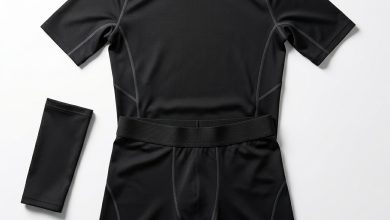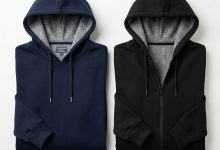
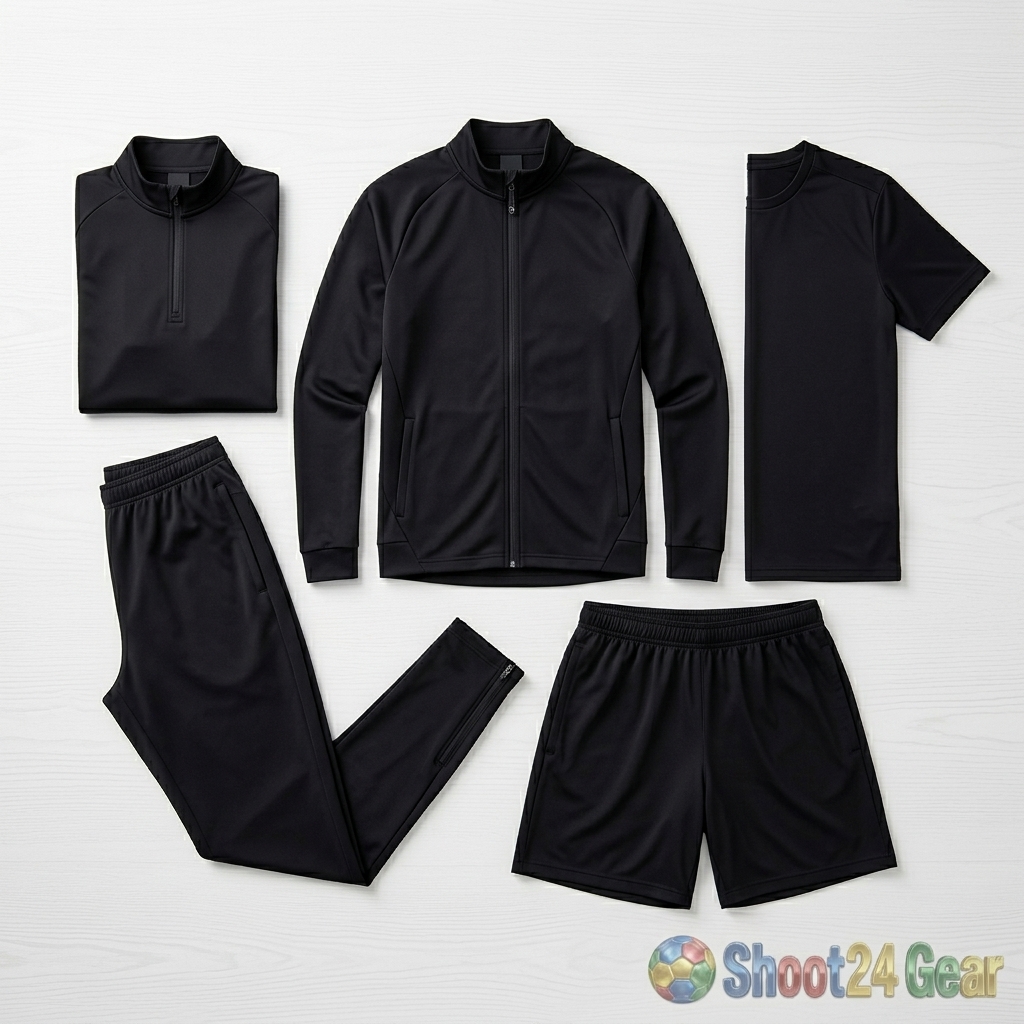
The Nike Academy collection represents Nike’s comprehensive answer to the football training apparel market — a coordinated range of jackets, pants, tops, and shorts designed to outfit footballers from warm-up through cool-down with consistent technology and cohesive visual identity. As the primary competitor to the Adidas Tiro range, the Academy collection competes for the same market of football players seeking quality training wear that performs on the pitch and looks genuinely professional off it as well.
This thorough and detailed guide provides a comprehensive examination of the Nike Academy collection, covering every individual product category within the range, the Dri-FIT technology that underpins the entire collection, important sizing characteristics across different body types, and practical step-by-step guidance for building a complete training wardrobe from the Academy range.
Dri-FIT Technology Foundation
Every garment in the Nike Academy collection incorporates Dri-FIT technology — Nike’s proprietary moisture management system that has become synonymous with athletic performance apparel. Dri-FIT uses specially engineered polyester microfibers to transport perspiration from the skin surface through the fabric structure to the outer face, where it spreads across a wider surface area for rapid evaporation.
The Dri-FIT implementation in the Academy collection uses a polyester-dominant fabric blend that balances moisture wicking with durability and stretch. The fabric maintains its wicking properties through extensive wash cycles without significant degradation, which is essential for training apparel that necessarily undergoes frequent and repeated laundering throughout a full playing season of intensive use.
Dri-FIT’s practical benefit during football training is straightforward — it keeps the wearer drier and more comfortable than untreated fabrics by preventing the accumulation of sweat against the skin. This moisture management becomes increasingly important during high-intensity training sessions where sweat production escalates, and it provides particular value during the transition between active training and rest periods when wet fabric against cooling skin creates discomfort.
Product Range
Academy Track Jacket
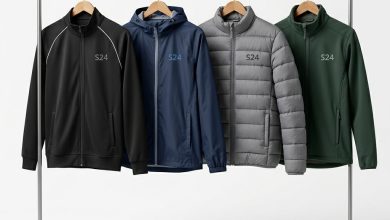
The Academy track jacket serves as the signature outer layer of the collection. Full-zip construction with a stand-up collar provides weather protection and ventilation control — fully zipped for warmth, partially unzipped for airflow adjustment, or removed entirely as training intensity increases. Zippered side pockets secure small items during training, and the tailored fit creates a professional silhouette without restricting movement during dynamic football activities.
The jacket’s raglan sleeve construction eliminates shoulder seams from the top of the shoulder, preventing the discomfort that conventional shoulder seams can cause during overhead movements and ball-throwing motions. This construction detail particularly benefits goalkeepers and players who perform frequent overhead ball throws during training exercises.
Academy Training Pants
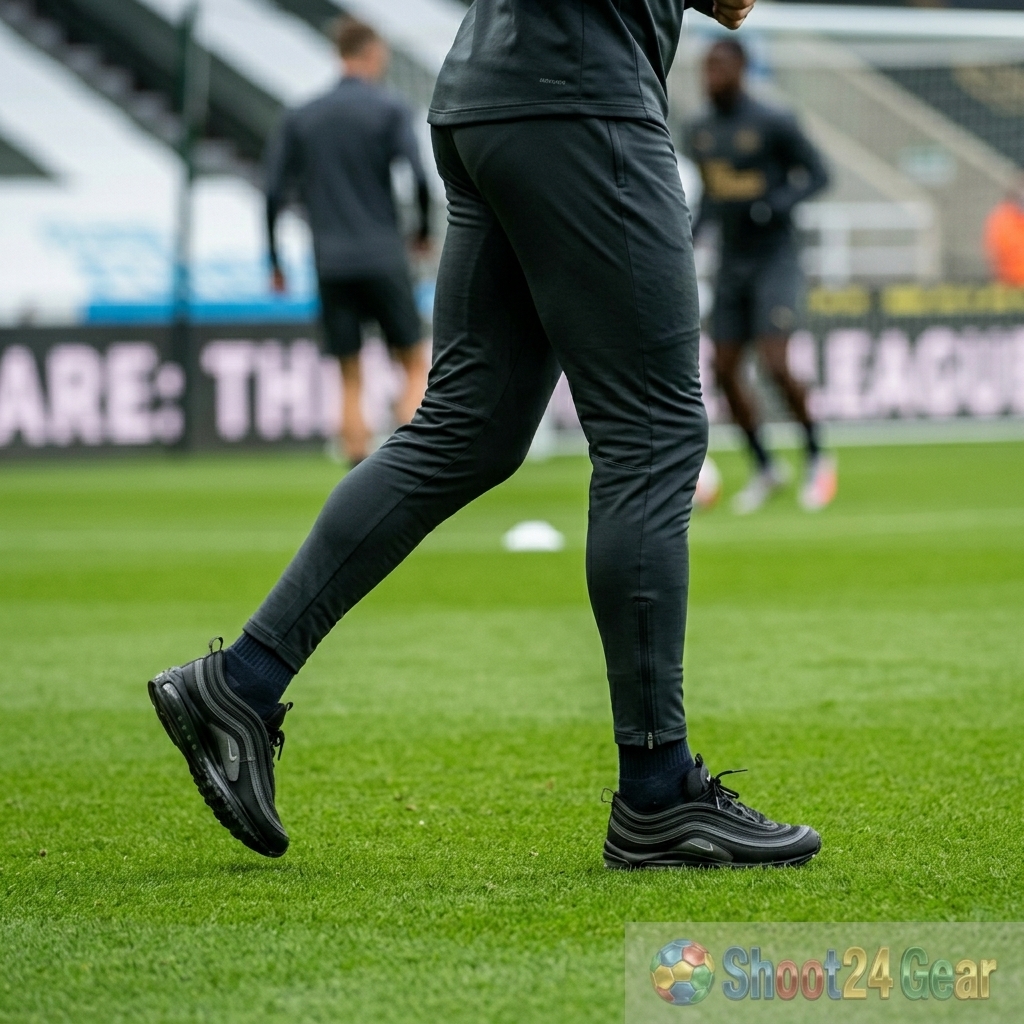
Academy training pants feature Nike’s signature tapered fit with elasticated ankle cuffs and zippered ankle openings. The tapered design follows the modern training pant silhouette — fitted through the leg without being restrictive, completely eliminating the excess bunching fabric that older straight-leg and boot-cut designs created around the ankle and lower calf area.
The zippered ankle openings allow the pants to be pulled over football boots without removing footwear, streamlining the transition between training activities that require full-length leg coverage and those performed in shorts. an elasticated waistband with internal drawcord adjustment provides secure, personally adjustable fit during active movement on the pitch.
Academy Training Top
The quarter-zip training top functions as a versatile mid-layer that sits between compression base layers and the track jacket. The quarter-zip provides ventilation control without the full opening of a jacket, making it ideal for moderate-temperature training where a jacket provides too much insulation but a single layer provides insufficient coverage.
The training top’s slightly brushed interior provides a comfortable feel against the skin while maintaining Dri-FIT moisture management. This combination of comfort and performance makes the training top popular for extended wear during longer training sessions where comfort over time matters more than maximum performance features.
Academy Training Shorts
Academy training shorts provide the warm-weather counterpart to the training pants. Lightweight Dri-FIT fabric with an internal brief liner offers support and coverage during dynamic football movements. The shorts feature an elasticated waistband and a standard inseam length that provides coverage without restricting stride length during sprinting and acceleration.
Academy Short-Sleeve Top
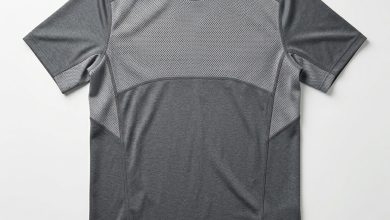
The Academy short-sleeve training top serves as the primary warm-weather training garment. Lightweight Dri-FIT fabric provides moisture management without the insulation of heavier mid-layer options. The relaxed fit allows airflow while maintaining a professional training appearance that suits organized team sessions.
Fit Characteristics
Nike Academy products use a fit profile that sits between athletic slim and standard relaxed — closer to the body than traditional sportswear but less restrictive than Nike Pro compression apparel. This intermediate fit provides the streamlined appearance that modern footballers expect while accommodating the full range of movement that football training demands.
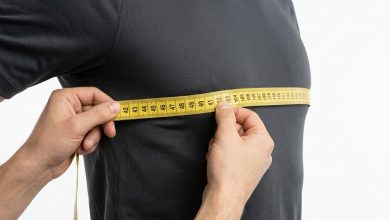
Nike sizing tends slightly slimmer than Adidas in equivalent numerical sizes. Footballers transitioning from Adidas Tiro to Nike Academy may find the Academy fit closer through the torso and arms. This sizing difference is consistent across the Academy range, meaning a footballer who finds Nike tops slim will also find Nike pants comparatively slim. When between sizes, selecting the larger size provides more room without significantly compromising the tailored appearance.
The Academy range uses consistent sizing across all product categories, so a medium jacket, medium pants, and medium training top all target the same body measurements. This consistency simplifies purchasing, particularly for team orders where multiple garment types are ordered simultaneously for squad members.
Seasonal Versatility
Summer training: Academy shorts paired with the short-sleeve training top provide lightweight, breathable coverage. The Dri-FIT fabric manages sweat effectively during hot-weather training without adding unnecessary insulation. For evening summer sessions where temperatures cool, adding the track jacket provides a light outer layer.
Autumn and spring: The full tracksuit — jacket and training pants — serves as the primary outfit for moderate conditions. The quarter-zip training top adds a mid-layer option for cooler days within these transitional seasons. Layering a compression base layer underneath provides additional moisture management for intensive sessions.
Winter training: The Academy collection provides the outer structure for cold-weather layering systems. Thermal compression base layers provide insulation against the skin, the training top adds a mid-layer, and the track jacket provides wind protection. For the coldest conditions, Nike offers thermal-specific products outside the standard Academy range that complement the collection with enhanced insulation properties.
Wet weather: Standard Academy fabric is not waterproof. For rainy training sessions, a dedicated waterproof rain jacket worn over the Academy tracksuit provides complete weather protection while maintaining the moisture management benefits of the Dri-FIT base layers underneath.
Team Ordering
The Academy collection strongly supports team purchases with a number of practical features that significantly simplify squad outfitting at club, academy, and organizational level.
Nike’s well-established team ordering system offers the Academy range in a comprehensive selection of multiple colorways with clearly designated badge placement and professional embroidery areas on each garment. The consistent sizing across the range ensures that team orders produce uniforms that fit members predictably, reducing the costly return and exchange rate that inconsistent and unpredictable sizing creates in large team purchases.
Volume discounts are typically available through Nike’s team sales channels and authorized dealers, making Academy products cost-competitive with other training ranges when purchased in squad quantities. The combination of consistent quality, reliable sizing, and team customization options positions the Academy collection as a practical choice for clubs seeking professional training apparel at accessible pricing.
Care and Longevity
Academy products are designed for the demanding wash frequency that daily football training requires. Cold water washing on gentle cycles preserves both the Dri-FIT performance and the fabric’s structural integrity through the numerous wash cycles that a full training season demands.
Avoid fabric softeners — they coat the Dri-FIT microfibers and reduce moisture-wicking effectiveness. Air drying is strongly recommended over tumble drying to preserve the elasticated components and maintain the garment’s shape and compression through its intended lifespan.
Color preservation varies by colorway — darker colors (black, navy, dark grey) maintain their appearance longer than lighter colors under the stress of frequent washing. For teams with light-colored training kits, treating garments with color-safe detergent from the first wash helps maintain visual consistency across the squad’s training apparel throughout the season.
Value Positioning
The Academy collection occupies the mid-range price tier within Nike’s football apparel hierarchy. It sits below Nike’s premium offerings (Strike and Elite ranges) and above entry-level options, providing performance features that exceed budget alternatives at pricing that remains accessible for most individual and team purchasing budgets.
The value calculation is straightforward — Academy products deliver Dri-FIT performance, durable construction, and professional aesthetics at prices that compete directly with the Adidas Tiro Training tier. Neither range offers a significant price advantage over the other at standard retail, though promotional pricing and seasonal sales can create temporary advantages for either brand depending on timing.
For footballers deciding between Nike Academy and Adidas Tiro at similar price points, the choice reduces to fit preference, brand loyalty, and aesthetic taste rather than meaningful performance differences. Both established ranges provide broadly equivalent functional performance for football training purposes at comparable and competitive investment levels for individual and team purchasers.
Academy vs Nike Strike
Within Nike’s own range hierarchy, the Strike collection sits above the Academy as a premium training option. Understanding the differences helps footballers decide whether the Strike upgrade justifies its higher pricing.
Fabric quality: Strike uses Dri-FIT ADV — an enhanced version of standard Dri-FIT that provides marginally superior moisture management through finer microfiber construction. The improvement in moisture transport speed is real and measurable in laboratory testing but subtle in real-world perception, and most footballers cannot distinguish between Dri-FIT and Dri-FIT ADV performance during actual training use.
Construction refinement: Strike garments feature more refined construction details — bonded seams rather than stitched seams in some areas, more precise fabric panel alignment, and slightly more sophisticated design elements. These construction refinements noticeably improve overall aesthetics and marginally increase wearing comfort during extended use but do not significantly or measurably affect actual functional training performance on the pitch.
Fit precision: Strike products tend toward a slightly more anatomical fit compared to Academy, following the body’s contours more closely through the torso and limbs. This closer fit appeals to footballers who want a more performance-oriented silhouette without the full compression of Nike Pro base layers.
Value verdict: For most footballers, the Academy collection provides all the functional performance needed for effective training. The Strike upgrade serves footballers who want premium aesthetics and the marginally refined wearing experience that higher-end construction provides, and who can justify the price premium for these largely cosmetic improvements.
Building a Complete Academy Wardrobe
Building a training wardrobe from the Academy collection is most practical when done progressively rather than purchasing everything at once. This staged approach spreads cost across multiple purchasing occasions and allows each addition to address a specific identified need.
Stage 1 — Foundation: Track jacket and training pants. These two garments cover the most training situations and form the visual core of your training appearance. Purchase these first as matching items from the same colorway and generation.
Stage 2 — Warm weather: Training shorts and short-sleeve top. Add these when warm-weather training requires lighter alternatives to the full tracksuit. These items extend your wardrobe’s seasonal range significantly.
Stage 3 — Mid-layer: Quarter-zip training top. The most versatile single addition — it fills the gap between base layer and jacket for moderate temperatures and serves as a standalone training top for light activity.
Stage 4 — Replacement cycle: Once your wardrobe is complete, shift to a replacement cycle where older items rotate to training duty and new purchases serve match warm-up and squad presentation occasions. This rotation maximizes the total useful life of each garment.
Women’s Academy Options
Nike produces women’s-specific versions of the Academy collection that address the fit differences between men’s and women’s athletic builds. Women’s Academy products use the same Dri-FIT technology and construction quality as the men’s range but are cut for women’s proportions — narrower shoulders, shaped waist, and proportionally different torso-to-leg ratios.
Women’s Academy sizing follows Nike’s women’s size charts, which differ from men’s sizing in both numerical values and measurement targets. Women footballers should consult women’s-specific size charts rather than converting from men’s sizing, as the conversion between men’s and women’s Nike sizing is not a simple or consistent numerical offset across all body dimensions and measurement categories.
Common Academy Purchasing Mistakes
Mixing Academy generations: Different Academy generations feature different design details, stripe placements, and colorway specifications. Purchasing a jacket from one generation and pants from another creates visible inconsistency. Buy matching pieces from the same generation and colorway for a cohesive training appearance.
Overlooking the training top: Many footballers purchase the jacket and pants but skip the quarter-zip training top, leaving a gap in their layering options for moderate temperatures. The training top is arguably the most versatile piece in the collection and fills a temperature range that neither the jacket alone nor a base layer alone addresses effectively.
Selecting fashion colors over practical colors: Academy products are available in fashion-forward colorways that look striking individually but may not match team requirements or pair well with other training garments. Black, navy, and dark grey consistently provide the most versatile and practical foundation colors that match any team identity and pair with any colorway of shorts or training tops.
Sustainability Considerations
Nike has progressively increased the use of recycled materials in the Academy collection. Current Academy products incorporate recycled polyester in their fabric construction — polyester derived from post-consumer plastic bottles processed into performance-grade fibers. This recycled content does not compromise the Dri-FIT moisture management performance or the garment’s long-term durability in any measurable way; independently tested recycled polyester performs equivalently to virgin polyester in both moisture management efficiency and structural resilience testing across extended use periods.
For environmentally conscious footballers, the Academy collection’s recycled content represents a practical way to reduce environmental impact without sacrificing training performance. The sustainability benefit compounds significantly across team orders where multiple garments and multiple squad members multiply the total recycled material usage substantially.
Summary
The Nike Academy collection provides a complete, cohesive training wardrobe solution backed by proven Dri-FIT technology and designed for the practical demands of regular football training. The range covers every training situation from warm-weather pitch sessions to cold-weather layered protection, with consistent sizing and team ordering support that serves both individual and organizational purchasing needs.
Select Academy products based on your specific seasonal requirements, personal fit preferences, and individual budget constraints. Build your training wardrobe progressively — starting with the track jacket and training pants as the foundation, then adding mid-layers and seasonal options as budget and need allow.
Product ranges, available colorways, technology implementations, and specific fabric compositions all change between Academy generations and retail seasons as Nike continues developing their training apparel range. Always verify current offerings, specifications, pricing, and available sizes on the official Nike website before making any purchasing decisions for your football training wardrobe.