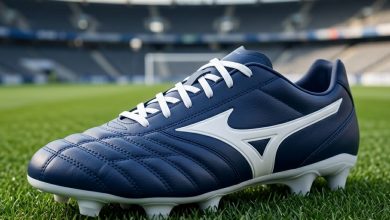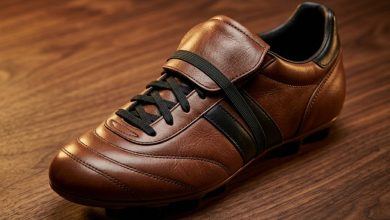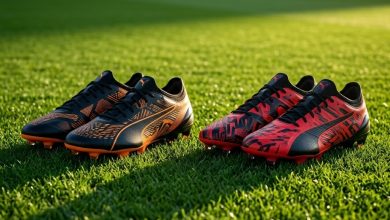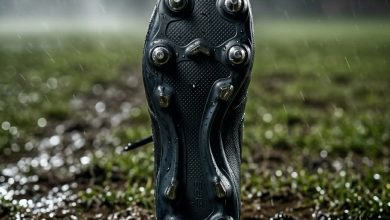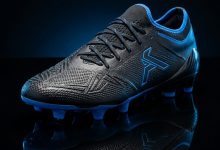
Boot fit is the single most important factor in football footwear selection — more important than brand, technology, material, or price. A poorly fitting premium boot underperforms a well-fitting budget boot every time. The most advanced upper technology, the most responsive soleplate, and the most sophisticated grip system all become irrelevant if the boot does not fit your foot properly.
Despite its importance, boot sizing remains one of the most poorly understood aspects of football equipment. Players buy boots based on their general shoe size, assume all brands fit the same, skip the measurement process, and then wonder why their expensive boots feel wrong. This guide provides a clear and systematic approach to finding your correct football boot size across different brands and models.
Why Football Boot Sizing Is Different
Football boot sizing differs from casual shoe sizing in important ways that many players overlook.
Football boots should fit tighter than casual shoes. In everyday footwear, slight looseness is acceptable because walking does not require precise foot-to-shoe contact. In football boots, any internal movement — sliding, shifting, lifting — reduces ball control, causes blisters, and creates instability during directional changes. A properly fitted football boot feels snug across the forefoot without creating pressure points.
The “half size up” rule from casual shoes does not apply. Many people buy casual shoes half a size larger than their measured foot for comfort. Applying this habit to football boots creates excess internal space that undermines performance. Football boots should be your actual measured size, not your comfort-adjusted casual shoe size.
Width matters as much as length. Casual shoe sizing focuses almost exclusively on length. Football boot fitting requires attention to both length and width because the tight-fitting nature of football boots makes width mismatches more painful and more performance-damaging than they are in roomier casual footwear.
How to Measure Your Feet Correctly
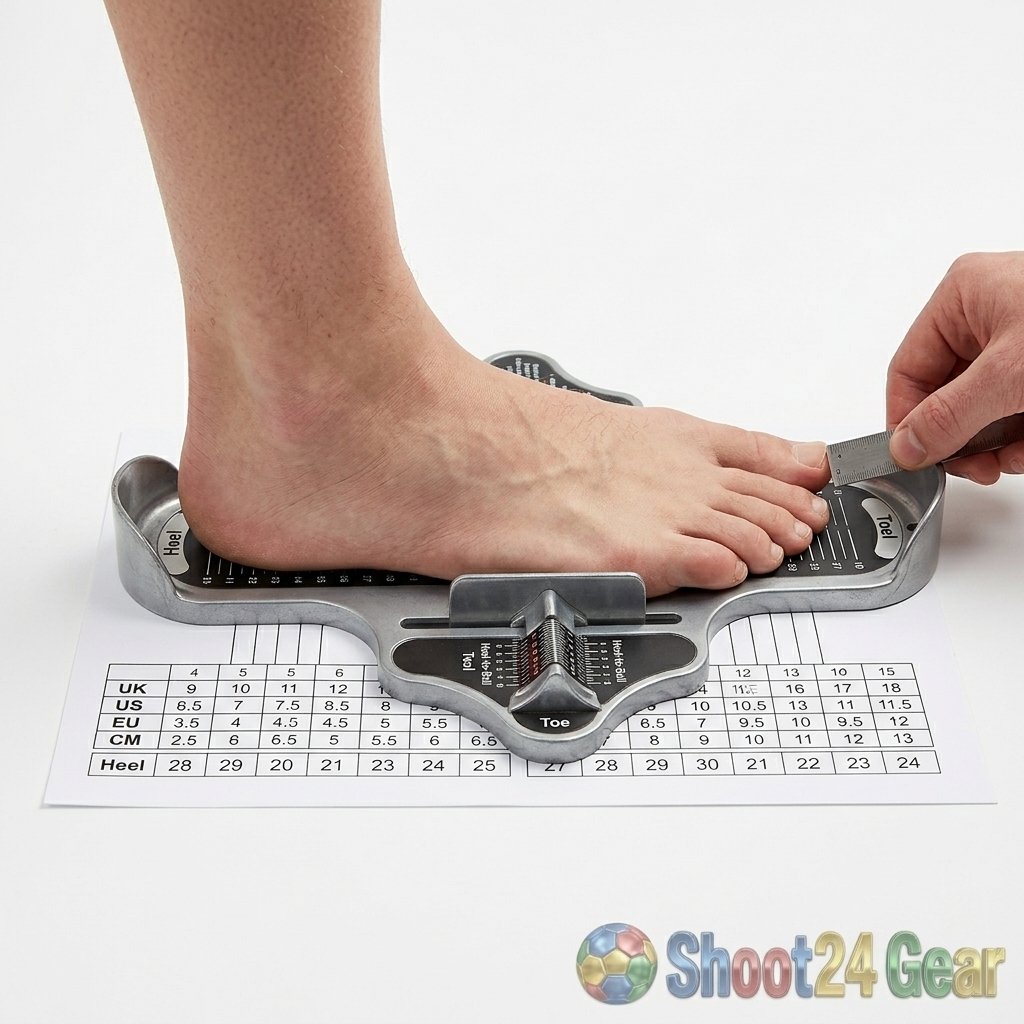
Accurate foot measurement is the foundation of proper boot fitting. Follow this process for reliable measurements:
Step 1: Prepare
Measure your feet in the afternoon or evening, when they are at their largest. Feet swell slightly during the day from walking and standing — measuring in the morning gives you a smaller reading that may result in boots that feel tight during afternoon or evening matches.
Wear the socks you play in during measurement. Football socks are typically thicker than everyday socks, and this thickness affects the internal space required inside the boot.
Step 2: Trace and Measure Length
Stand on a blank piece of paper on a flat, hard surface with your full body weight distributed on both feet. Have someone trace the outline of each foot while you stand normally. Measure the distance from the heel to the tip of your longest toe (which may not be the big toe) on each tracing.
Record both measurements. If your feet differ in length — which is common — use the longer measurement as your reference.
Step 3: Measure Width
On the same tracing, measure the widest point across the forefoot — the distance between the widest points of the metatarsal head area. This measurement determines whether you need standard, wide, or narrow-fit boots.
Compare your length and width measurements to the brand-specific sizing charts available on manufacturer websites. Each brand uses slightly different length-to-size conversions, so always reference the specific brand’s chart rather than a generic sizing guide.
Brand Sizing Differences
One of the most frustrating aspects of football boot shopping is that sizes are not consistent across brands. A size 9 in Nike does not fit identically to a size 9 in Adidas, Puma, or New Balance. Understanding these brand-level tendencies helps narrow your search before trying specific models.
Nike: Tends to run slightly narrow and slightly short compared to other brands. Players who wear size 9 in Adidas often find they need size 9.5 in Nike for equivalent length. Width is consistently narrow to medium across most lines, with the Tiempo Legend offering the widest Nike fit.
Adidas: Generally considered to run true to size. Width is medium across most lines, with the Copa Pure fitting slightly wider than average. The X Crazyfast runs narrow, consistent with speed boot philosophy.
Puma: Tends to run slightly wider than Nike and Adidas. Length is generally true to size. The Puma King offers the brand’s widest fit, while the Puma Ultra runs narrower as a speed boot.
New Balance: Fits true to size with slightly more forefoot room than Nike. The brand’s heritage in wide-fitting athletic shoes extends to their football range, making them a good starting point for players with wider feet.
Mizuno: The Morelia II fits medium-wide, while the Morelia Neo III fits medium. Japanese manufacturing ensures consistent sizing between individual pairs. Sizing charts are reliable.
The Perfect Fit Test
When trying on football boots — whether in a store or at home from an online purchase — perform this systematic fit check:
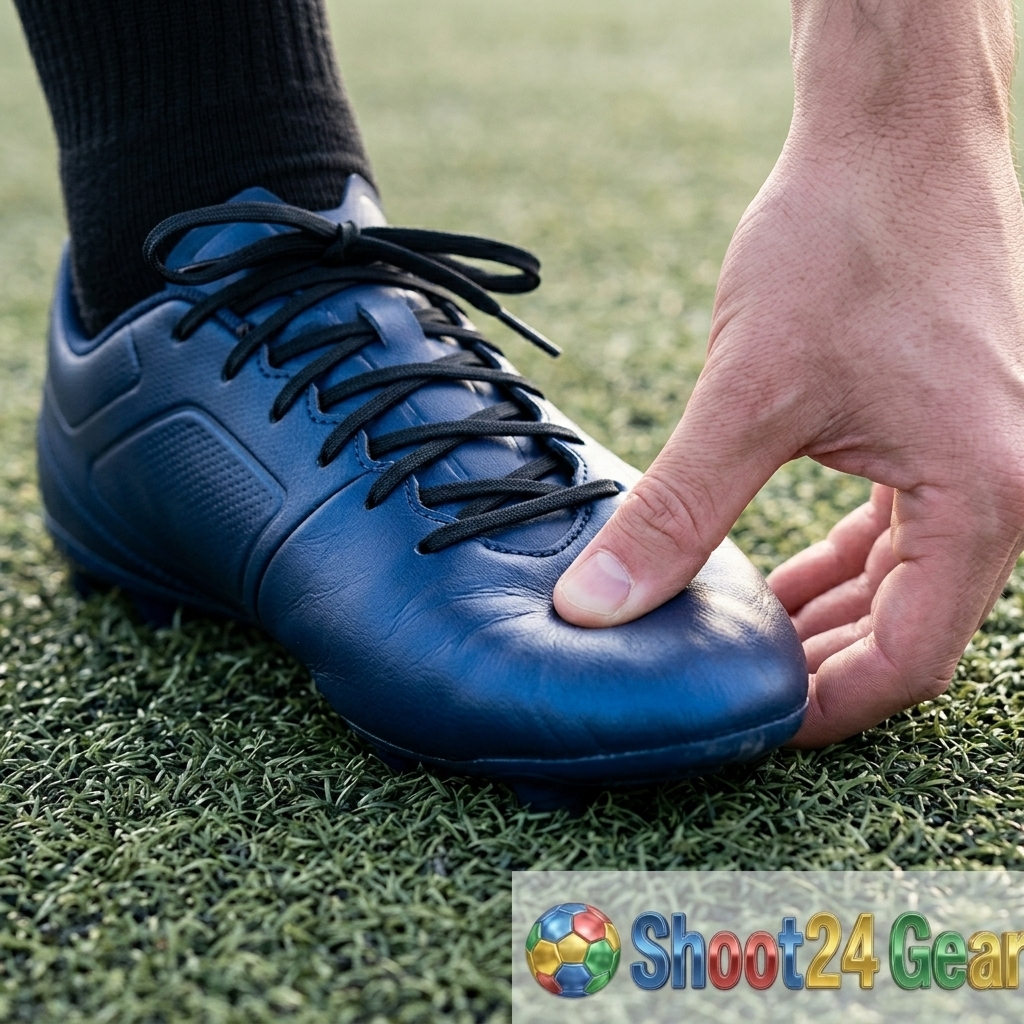
Toe space: With the boot laced normally and your foot pushed forward, you should have approximately 5 to 10mm of space between your longest toe and the front of the boot. Check this by pressing on the toe area from outside — you should feel the end of your toe slightly behind the boot’s tip, not pressing against it.
Forefoot width: The boot should feel snug across the widest part of your forefoot without creating noticeable pressure. If you can feel the boot compressing the sides of your metatarsal heads, it is too narrow. If you can feel significant space on either side of your forefoot, it is too wide.
Midfoot lockdown: When laced properly, the midfoot should feel secure without the boot gapping open or the laces creating painful pressure ridges across the instep.
Heel lockdown: Your heel should sit firmly in the heel cup without lifting when you stand on your toes. Heel lift during this test indicates the boot is too large or the heel shape does not match your foot. Some heel lift resolves during break-in (especially in leather boots), but significant lifting indicates a fundamental fit mismatch.
Walking test: Walk around for at least five minutes. Note any pressure points, rubbing areas, or discomfort. Stand on your toes, rock your foot laterally, and simulate push-off movements. Any discomfort during these basic movements will amplify significantly during match intensity.
Common Sizing Mistakes
Using your running shoe size: Running shoes fit differently from football boots. Running shoes typically have more toe room, more cushioning, and wider construction. Your running shoe size may be half to a full size larger than your correct football boot size.
Assuming brand loyalty means size consistency: Even within the same brand, different boot models use different lasts. Your Nike Mercurial size may not match your Nike Tiempo size. Always treat each model as a fresh fitting exercise.
Buying online without measuring: Ordering boots based on “I’m usually a size 9” without measuring your feet and consulting the specific brand’s sizing chart leads to a high rate of returns and frustrating trial-and-error purchasing.
Fitting boots while sitting down: Always try boots while standing with full weight on both feet. Feet spread under load, and a boot that feels fine while sitting may be uncomfortably tight when you stand and the forefoot widens under body weight.
Ignoring minor discomfort: “It’ll break in” is the most common justification for boots that do not fit. While leather boots do soften and adapt, synthetic boots barely change from first wearing. If a synthetic boot has pressure points on day one, those pressure points will persist.
Half Size Considerations
When you fall between two sizes — the smaller size feels slightly tight and the larger size feels slightly loose — the correct choice depends on the boot’s upper material.
Leather boots: Choose the smaller size. Leather stretches and molds during break-in, effectively gaining approximately 2 to 4mm in width and 1 to 2mm in length. A leather boot that is slightly snug initially will become perfectly fitted after a week of use.
Synthetic boots: Choose the larger size. Synthetic materials do not stretch meaningfully, so a tight synthetic boot remains tight permanently. The minor looseness of the slightly larger size is less problematic than the permanent tightness of the smaller size.
Knit boots: Knit materials offer a middle ground — they stretch slightly (less than leather, more than rigid synthetics). For knit boots, either half size can work. If the boot has a compression system (like the Puma Future), the adaptive technology may accommodate the snug fit of the smaller size effectively.
When to Refit
Boot fitting is not a one-time exercise. Several circumstances warrant remeasuring and potentially resizing:
Weight changes: Significant weight gain or loss can alter foot dimensions. Feet widen during weight gain and may narrow during weight loss. If your boots that fit perfectly now feel different after significant body weight changes, remeasure.
Age: Feet change shape throughout adult life. Arches flatten, forefeet widen, and overall dimensions shift gradually. Players over 30 should re-evaluate boot sizing periodically rather than assuming their size from ten years ago still applies.
Injury recovery: Foot, ankle, and lower leg injuries can alter foot shape and swelling patterns. After significant injuries, wait until swelling has fully resolved before measuring for new boots.
Switching brands: Every brand change requires a fresh size evaluation. Never assume your size in one brand translates directly to another.
Professional Fitting Services
Some specialist football retailers offer professional boot fitting services that provide more precise sizing than home measurement. These services typically include digital foot scanning, pressure mapping, and gait analysis that identify not just size but also arch type, pronation pattern, and specific fit recommendations.
Professional fitting is most valuable for players with unusual foot shapes, persistent fit problems, or medical foot conditions that affect boot selection. For players with straightforward foot shapes who fit comfortably in standard boots, home measurement with brand-specific charts is usually sufficient.
Insoles and Orthotics
Custom insoles and orthotics add a layer of complexity to boot sizing that many players do not anticipate until they need them.
Standard football boot insoles are thin — typically 3 to 5mm — to maintain low-profile ground contact. Players who use aftermarket insoles for arch support, cushioning, or orthotic correction often require insoles that are thicker than stock versions. This additional thickness reduces the internal volume of the boot, effectively making it fit tighter.
If you plan to use custom insoles or orthotics, bring them to boot fitting sessions. Try the boots with your custom insoles installed rather than with the stock insoles. The fit with stock insoles is irrelevant if you intend to replace them — only the fit with your actual insoles matters.
Some players find that switching from stock insoles to thicker aftermarket versions requires going up half a size to maintain the same internal fit. Others find that the additional volume consumed by the thicker insole creates a snugger fit that they prefer. Personal preference and the specific insole thickness determine which approach works best.
Players with prescribed orthotics should verify that their orthotics fit within the boot before purchasing. Football boots have less internal volume than casual shoes, and some rigid orthotic devices may not fit properly. Flexible sport-specific orthotics designed for football boots are available from podiatrists and are preferable to rigid daily-wear orthotics that were not designed for athletic footwear.
International Sizing Systems
Football boots are sold using multiple sizing systems, and understanding the conversions prevents confusion when shopping across different markets.
UK sizing: The most commonly used system in football boot marketing globally. UK sizes run in full and half increments (7, 7.5, 8, 8.5, etc.).
US sizing: Typically one full size larger than UK sizing. A UK 9 corresponds approximately to a US 10. However, this conversion is not perfectly consistent across brands — always verify the specific brand’s conversion chart.
EU sizing: Uses a larger number scale. UK 9 corresponds approximately to EU 43 or 44 depending on brand. EU sizing varies more between brands than UK sizing, making it a less reliable cross-reference.
JP/CM sizing: Used primarily in Asian markets, this system measures foot length in centimeters. A 27.0cm measurement corresponds approximately to UK 8.5. This is the most objective sizing system because it relates directly to a physical measurement rather than an arbitrary number.
When purchasing boots from international retailers, always convert to a measurement-based reference (cm foot length) rather than relying on size number conversions. A UK 9 from one brand may have the same internal length as a UK 8.5 from another, but both boots accommodate a 27.0cm foot. Using centimeter measurements as the common reference eliminates the inconsistency between brand-specific size numbering.
The Sock Factor
Sock thickness directly affects internal boot fit, and many players overlook this variable during sizing.
Standard football socks add approximately 1 to 2mm of material around the entire foot. Performance grip socks — increasingly popular at all levels — are typically thicker, adding 2 to 3mm of material. This seemingly small difference changes how the boot fits and feels, and a boot sized with thin socks may feel tight with thick performance socks.
Always measure and try boots with the specific socks you intend to play in. If you alternate between sock types — thin compression socks for some sessions and thick grip socks for others — try boots with the thicker option and accept that the thinner socks will create a marginally looser fit.
Some players use a layered sock approach — a thin liner sock beneath the football sock to reduce friction and prevent blisters. This double-sock method adds additional internal volume requirements. If you use this approach, account for both layers during boot fitting.
Summary
Proper boot sizing requires measurement, not assumption. Measure both feet in your playing socks during the afternoon or evening. Consult brand-specific sizing charts for each boot you consider. Try boots standing up with full weight on both feet. Accept that your football boot size may differ from your casual shoe size, your running shoe size, and your size in different football boot brands. This acceptance is the starting point for finding boots that genuinely fit rather than boots that approximately fit.
The time invested in accurate sizing pays returns in every single session — comfortable boots let you focus on playing football instead of thinking about your feet, which is ultimately what good equipment should do. A player who never thinks about their boots during a match is a player whose boots fit properly. That should be the goal of every boot purchase, and systematic sizing is how you achieve it consistently rather than by luck.
Sizing charts, fit guidance, and width availability vary significantly between brands and between individual boot models within the same brand. Always consult official brand resources for the most current and accurate sizing information before making any purchasing commitment for your football footwear.