Polar Team Pro represents a distinctive approach to football player tracking that prioritizes physiological monitoring alongside GPS-based movement tracking. While STATSports and Catapult built their systems around GPS movement tracking with physiological data as a supplementary feature, Polar built their system from their heritage in heart rate monitoring technology, integrating GPS tracking into a platform that treats heart rate and physiological workload data as primary rather than secondary metrics. This physiological-first approach creates a system with unique strengths for clubs and coaches who prioritize internal load monitoring — how hard the body is actually working — alongside the external load data that GPS movement tracking provides.
This guide examines the Polar Team Pro system comprehensively, covering its technology, heart rate monitoring capabilities, GPS tracking features, software platform, practical implementation considerations, and how it compares to the dominant GPS-focused systems for football-specific use at various competitive levels.
System Architecture
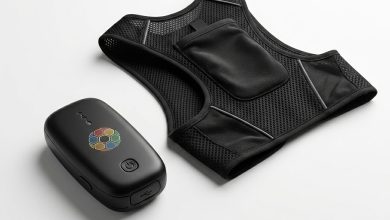
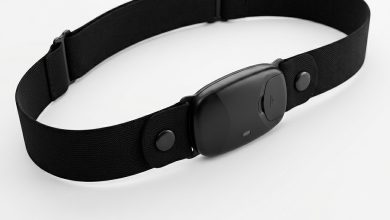
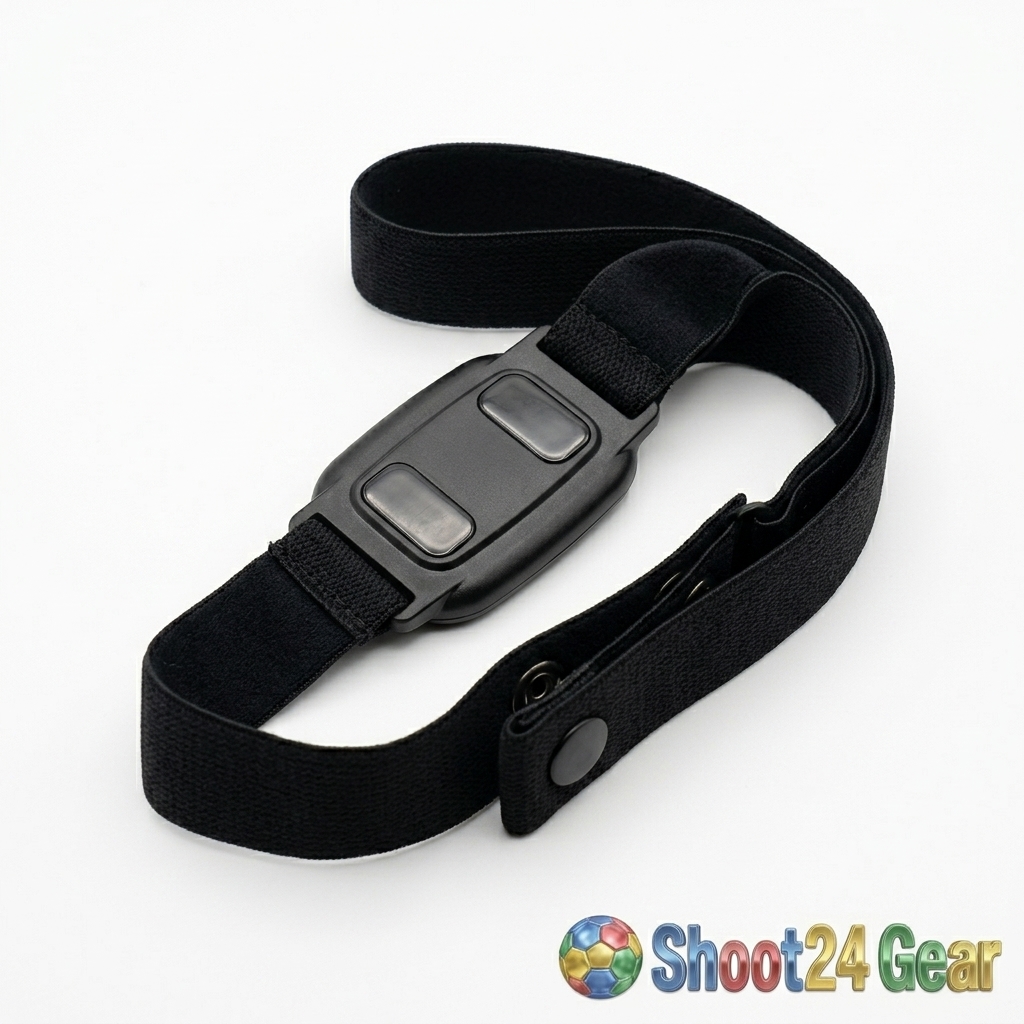
The Polar Team Pro system uses a sensor worn on the player’s chest, positioned with a chest strap that places the sensor over the sternum. This chest-mounted position differs from the upper-back positioning used by STATSports and Catapult, and the positioning choice reflects Polar’s heart rate monitoring priority — the chest position provides the most accurate and consistent heart rate data of any wearable sensor location.
The sensor combines GPS tracking with optical and electrode-based heart rate monitoring, providing simultaneous movement and physiological data capture. Data is transmitted in real time to the Polar Team Pro software via a base station positioned pitch-side, enabling live monitoring of both movement metrics and heart rate data during training and matches.
The base station serves as the data hub, receiving signals from all active player sensors and providing the real-time data feed to the coaching tablet or laptop running the Polar Team Pro software. This architecture enables live heart rate monitoring during training — a capability that distinguishes Polar Team Pro from systems that provide heart rate data only in post-session analysis.
Heart Rate Monitoring
Heart rate monitoring is Polar Team Pro’s defining strength — the capability that justifies considering Polar alongside or instead of GPS-focused competitors.
Accuracy: Polar’s chest-strap heart rate monitoring provides medical-grade accuracy that significantly exceeds the optical wrist-based monitoring used by consumer GPS watches. The chest-strap electrode technology captures electrical heart signals directly, providing beat-by-beat heart rate data with reliability that optical sensors cannot match during the variable-intensity, high-movement activity that football involves.
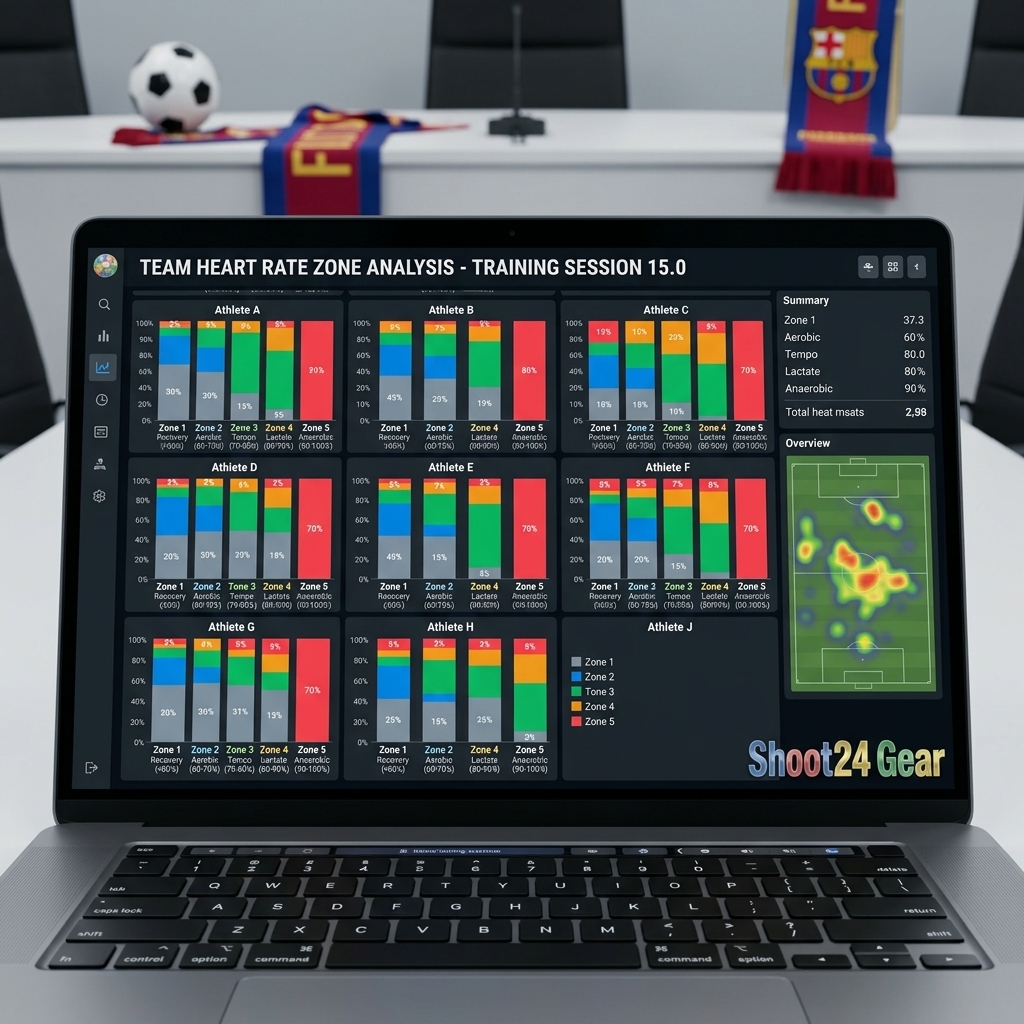
Heart rate zones: The system categorizes heart rate data into training zones — typically five zones from light activity through maximum effort. Zone distribution during a session shows how much time each player spent at each intensity level, providing insight into individual training load that distance and speed metrics alone cannot reveal. A player may cover significant distance at moderate speed but with elevated heart rate indicating high internal load, or conversely cover the same distance with lower heart rate indicating higher fitness or less effort.
Training load assessment: Polar calculates training load scores from heart rate data that quantify the physiological stress of each session. These load scores enable periodization planning — ensuring adequate recovery between high-load sessions, managing weekly training load progression, and identifying players whose physiological responses suggest fatigue, illness, or insufficient recovery.
Recovery monitoring: Heart rate recovery rate — how quickly heart rate returns to resting levels after high-intensity effort — provides real-time fitness and fatigue indication. Players with declining recovery rates across a training block may be experiencing accumulated fatigue that increases injury risk. Polar’s continuous heart rate monitoring captures this recovery data automatically.
GPS Tracking Capabilities
Polar Team Pro provides GPS tracking alongside its heart rate monitoring, though the GPS specifications reflect Polar’s physiological focus rather than GPS-primary design priority.
The GPS receiver captures position data at rates that provide adequate distance and speed measurement for football training monitoring. Total distance, distance per minute, speed zones, sprint counts, and maximum speed are tracked with sufficient accuracy for training load monitoring and session comparison.
GPS accuracy in the Polar Team Pro system is competitive for training monitoring purposes — total distance measurements are adequately accurate for session-to-session comparison and workload trend analysis. For clubs requiring the highest available GPS accuracy for detailed movement analysis, sprint profiling, and positional heat mapping, the dedicated GPS systems from STATSports and Catapult may provide marginally higher GPS accuracy due to their GPS-primary technology focus.
Software Platform
Polar Team Pro software provides real-time and post-session analysis capabilities with strong emphasis on physiological data visualization and interpretation.
Live monitoring: The real-time dashboard displays heart rate, training zone, and current activity status for all active players simultaneously. Coaches can identify players in high-intensity zones, players approaching maximum heart rate, and players whose heart rate patterns suggest they may need rest or substitution during training sessions.
Session analysis: Post-session analysis provides comprehensive breakdown of each player’s training load, zone distribution, distance covered, speed profiles, and recovery patterns. Session data can be compared against individual baselines, previous sessions, and team averages to identify trends and outliers.
Long-term monitoring: The platform tracks player data across seasons, enabling long-term fitness development monitoring, training load periodization analysis, and identification of fatigue patterns that develop over extended training periods. This longitudinal data is particularly valuable for youth development and pre-season fitness monitoring.
When to Choose Polar Team Pro
If physiological monitoring is the primary requirement: For coaches and performance staff who prioritize internal load monitoring — heart rate zones, training load scores, recovery assessment — Polar Team Pro provides the most comprehensive physiological monitoring platform available in football player tracking. The heart rate data quality exceeds what GPS-focused systems provide from supplementary heart rate monitoring.
If injury prevention is the primary goal: Heart rate data provides earlier warning of fatigue and overtraining than movement data alone. Players can maintain normal movement patterns while their heart rate data reveals elevated physiological stress that precedes injury. Polar’s physiological monitoring provides this early-warning capability more comprehensively than GPS-focused alternatives.
If budget allows supplementary GPS tracking: Some clubs use Polar Team Pro for physiological monitoring alongside a separate GPS tracking system (STATSports or Catapult) for detailed movement analysis, combining the strengths of both approaches. While this dual-system approach doubles the technology investment, it provides the most comprehensive performance monitoring available.
Limitations
Chest strap comfort: Some players find chest-strap sensors less comfortable than the vest-mounted devices used by STATSports and Catapult. The chest strap must maintain consistent skin contact for accurate heart rate monitoring, which can cause irritation during extended sessions, particularly in hot weather or for players with sensitive skin. Proper strap fitting and maintenance reduces but does not eliminate this comfort consideration.
GPS depth: While Polar Team Pro provides adequate GPS tracking for training monitoring, clubs requiring detailed sprint analysis, positional heat mapping, acceleration profiling, and the deepest GPS-derived metrics may find the dedicated GPS systems more capable in these specific areas.
Pricing and Implementation
Polar Team Pro pricing is competitive with STATSports and Catapult team systems, though exact pricing varies by squad size, subscription level, and market. The system requires the base station for real-time data transmission, individual chest sensors for each tracked player, and the software subscription for data analysis access.
Implementation requires staff training on both device operation and physiological data interpretation. Coaches and performance staff need understanding of heart rate zone training, training load management, and recovery monitoring to effectively use Polar’s physiological data for training decisions. This physiological knowledge requirement may exceed the analytical demands of purely GPS-focused systems for coaching staff without sports science backgrounds.
Integration with Heart Rate Monitors
Polar Team Pro integrates naturally with individual heart rate monitoring for players who also use personal Polar devices for independent training monitoring. Data from individual Polar watches and chest straps can synchronize with the Team Pro platform, providing continuous heart rate monitoring even when players train independently outside of team sessions.
This integration creates a comprehensive physiological profile that covers both team training and individual conditioning sessions — a capability that pure GPS systems cannot replicate because GPS tracking devices are typically club-owned and worn only during organized team sessions rather than during individual training.
Device Maintenance and Longevity
Polar Team Pro sensors require regular maintenance to ensure consistent heart rate monitoring accuracy and reliable GPS data capture across the device’s operational lifespan.
Chest strap care: The chest strap’s electrode contacts must remain clean and free from salt buildup from sweat residue. After each training session, rinse chest straps with fresh water and allow them to air dry completely. Salt buildup on electrode contacts creates inconsistent electrical conductivity that reduces heart rate monitoring accuracy, manifesting as heart rate data dropouts or erroneous readings during intense activity.
Sensor cleaning: Clean the sensor pod regularly with a damp cloth to remove accumulated dirt and moisture. Avoid submerging sensor pods in water beyond their specified water resistance rating. Store sensors in a dry, cool environment when not in use to preserve battery capacity and electronic component integrity over the device’s lifespan.
Strap replacement: Chest straps are consumable components that degrade through regular use. The elastic material loses its tension over time, reducing the secure skin contact that accurate heart rate monitoring requires. Plan to replace chest straps every six to twelve months of regular training use, depending on washing frequency and individual wear patterns. Include strap replacement costs in ongoing operational budgets.
Battery management: Charge sensors fully after each training session using the supplied charging equipment. Avoid storing sensors in fully depleted states for extended periods, which can permanently reduce battery capacity. Establish a consistent charging routine as part of post-training equipment management to ensure all devices are ready for the next training session.
Match Day Applications
Polar Team Pro’s real-time heart rate monitoring provides unique match day applications that GPS-only systems cannot replicate with the same immediacy and accuracy.
Live intensity monitoring: Coaches can observe individual player heart rates in real time during matches, identifying players approaching fatigue thresholds or showing elevated heart rate responses that may indicate declining performance capacity. This real-time physiological insight supports substitution decisions based on objective internal load data rather than purely visual assessment of player condition.
Half-time assessment: Heart rate recovery data during the half-time interval provides objective assessment of each player’s fatigue state and readiness for the second half. Players with slower-than-normal heart rate recovery during the interval may benefit from tactical adjustments that reduce their running demands in the second half, or from substitution if recovery data suggests significant fatigue.
Post-match analysis: Comprehensive physiological data from match monitoring informs recovery protocols — players with higher cumulative internal load during matches may require extended recovery periods before returning to full training intensity. Heart rate zone distribution across the match provides insight into each player’s physiological contribution that distance and speed metrics alone cannot fully capture.
Data Interpretation for Coaches
Effective use of Polar Team Pro’s physiological data requires understanding of key heart rate concepts and their practical implications for football training management.
Maximum heart rate variation: Maximum heart rate varies significantly between individual players regardless of fitness level. A player with a maximum heart rate of 190 bpm operating at 170 bpm is working at a very different relative intensity than a player with a maximum heart rate of 205 bpm at the same 170 bpm. Polar Team Pro’s zone system accounts for individual maximum heart rates, but coaches must understand that absolute heart rate comparisons between players are misleading without this individual context.
Fitness-related heart rate changes: As players improve cardiovascular fitness, their heart rate response to given workloads decreases — the same training session produces lower heart rate and lower training load scores as fitness improves. This means declining training load scores over a pre-season block can indicate improving fitness rather than declining effort, a distinction that coaches without sports science background may misinterpret.
External factors: Heat, humidity, hydration status, caffeine intake, sleep quality, and emotional stress all affect heart rate independently of training load. Elevated heart rate during a session may reflect environmental heat stress rather than increased training intensity. Coaches should consider these external factors when interpreting heart rate data rather than attributing all heart rate variations solely to training demands.
Scaling for Different Team Sizes
Small squads (under 16 players): The base Polar Team Pro system typically accommodates small squad sizes with a single base station and corresponding number of sensors. This configuration suits amateur clubs, women’s teams, and youth academy groups where squad sizes are manageable within a single system package.
Large squads (20+ players): Larger squads may require additional sensors and potentially additional base station capacity to maintain real-time monitoring quality for all active players simultaneously. Professional clubs monitoring full first-team and reserve squads should confirm system capacity with Polar before purchasing to ensure the system scales to their specific squad monitoring requirements.
Multi-group training: When squads split into multiple training groups operating on separate pitches, base station positioning and signal range become practical considerations. Confirm the signal range of the base station relative to your training ground layout to ensure reliable data transmission from all pitch areas where training groups operate.
Comparison Summary Table
Heart rate monitoring: Polar Team Pro provides the strongest heart rate monitoring of any football tracking system. STATSports and Catapult provide supplementary heart rate data through optional accessories, but neither matches Polar’s chest-strap accuracy or physiological data depth.
GPS tracking: STATSports and Catapult provide superior GPS tracking resolution and derived movement metrics compared to Polar Team Pro. For clubs prioritizing detailed sprint analysis, acceleration profiling, and positional tracking, the GPS-focused systems offer more granular data.
Software analytics: All three platforms provide comprehensive analytics, but their emphases differ. Polar excels in physiological analysis, STATSports provides the most football-specific GPS analytics with accessible interface design, and Catapult offers the deepest customizable analytical platform for professional performance departments.
Accessibility: STATSports offers the most accessible entry point through individual player products. Polar and Catapult are primarily team-level systems requiring organizational investment. All three systems provide value proportional to their investment level when used effectively within appropriate coaching and performance analysis frameworks.
Summary
Polar Team Pro provides the strongest physiological monitoring platform available in football player tracking, with heart rate data quality that exceeds GPS-focused competitors. The system’s heart rate zone analysis, training load scoring, and recovery monitoring provide internal load insights that complement and in some cases exceed the value of external load data from GPS movement tracking alone.
Consider Polar Team Pro when physiological monitoring, injury prevention, and internal load management are primary tracking objectives. For clubs prioritizing detailed GPS movement analysis and sprint profiling, dedicated GPS systems from STATSports or Catapult may better serve those specific requirements.
Product specifications, software features, system capabilities, and pricing structures all change between system generations as Polar continues developing their team sports monitoring platform. Always verify current Polar Team Pro offerings, pricing, and system specifications on the official Polar website before making any system purchasing decisions.