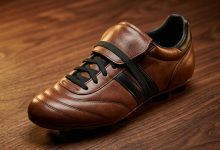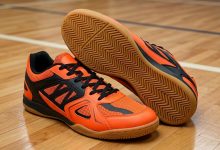
Football boots are precision equipment with limited lifespans, and how you care for them directly determines how long they perform at their best. A premium boot that receives proper maintenance outperforms and outlasts a premium boot that is thrown in a bag after every session. The difference between these two outcomes is five to ten minutes of care per session — a modest investment that yields significant returns in boot longevity, performance consistency, and overall value.
This guide covers thorough and comprehensive care protocols for every boot material and construction type, from daily post-session routines to seasonal maintenance and end-of-life assessment.
Post-Session Cleaning
The most important care window occurs immediately after playing. Mud, moisture, and debris left on boots between sessions cause damage that accumulates into premature deterioration.
Step 1: Remove Excess Mud
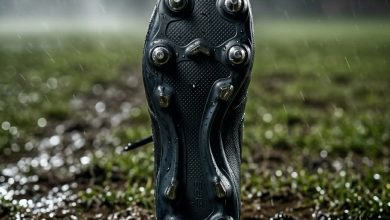
Tap boots together sole-to-sole to dislodge loose mud and debris from the soleplate. Use a stiff-bristled brush (an old toothbrush works for stud channels) to remove compacted mud from between and around studs. Clean the soleplate thoroughly — dried mud reduces effective stud length and prevents proper ground penetration.
Step 2: Clean the Upper
Wipe the upper with a damp cloth to remove surface dirt. For stubborn dirt, use lukewarm water — never hot water, which can damage adhesives and deform synthetic materials. Avoid household detergents, bleach, or harsh cleaning products. If you need more than water, a small amount of mild soap or a specialist boot cleaner is safe for both leather and synthetic uppers.
Step 3: Open and Prepare for Drying
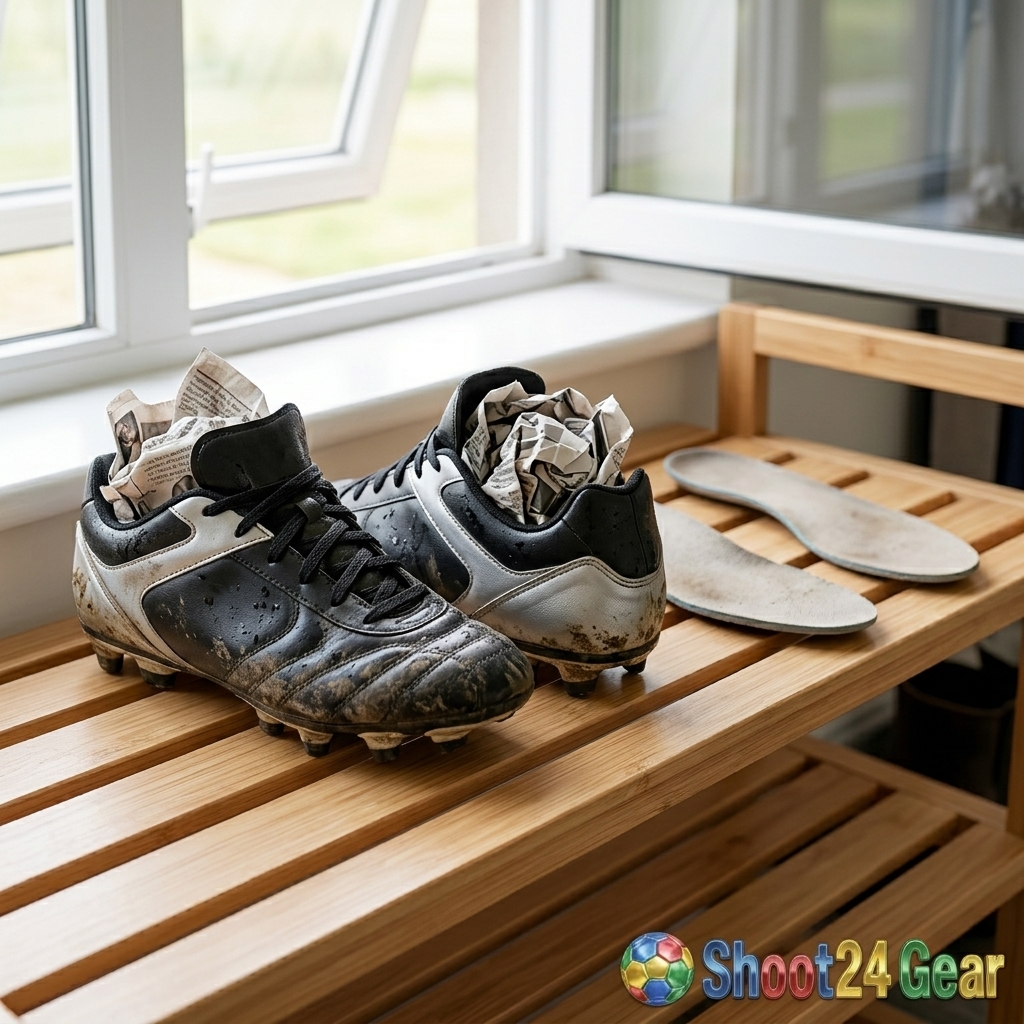
Remove the laces and pull the tongue forward to open the boot fully. Remove the insoles and set them aside to dry separately. This ventilation allows air to circulate through the boot interior, preventing moisture from becoming trapped in closed spaces where it promotes bacterial growth and odor.
Drying — The Critical Step
Drying is where most boot care mistakes occur, and improper drying causes more damage than any other care failure.
The golden rule: never use direct heat. Do not place boots on radiators, near heaters, in tumble dryers, in direct sunlight, or near any heat source. Heat damages the adhesive bonds that hold the upper to the soleplate, causing separation. It warps synthetic materials, stiffens and cracks leather, and deforms the shape of the boot. Heat-related damage is irreversible and is the number one preventable cause of premature boot failure.
Instead, stuff boots loosely with newspaper or kitchen paper towel to absorb internal moisture. The paper wicks moisture away from the boot’s interior surfaces. Replace the paper after two to three hours if the boots are heavily saturated — the first round absorbs the bulk of the moisture, and fresh paper continues the drying process.
Place boots in a well-ventilated area at room temperature. A garage, utility room, or open hallway provides appropriate conditions. Avoid enclosed spaces like bags, lockers, or sealed containers where moisture cannot escape. Complete drying typically takes 12 to 24 hours depending on conditions — faster in warm, dry environments and slower in cold, humid ones.
If boots need to be dry for a session the following day and natural drying is insufficient, a boot dryer (a small electric device that circulates warm — not hot — air through the boot) is a worthwhile investment. These devices dry boots in two to four hours without the high temperatures that cause damage.
Leather Boot Care
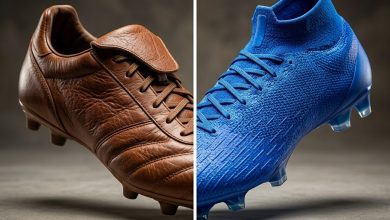
Leather boots require additional care beyond the basic cleaning and drying protocol because natural leather degrades in specific ways that synthetic materials do not.
Conditioning
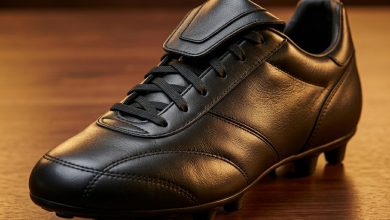
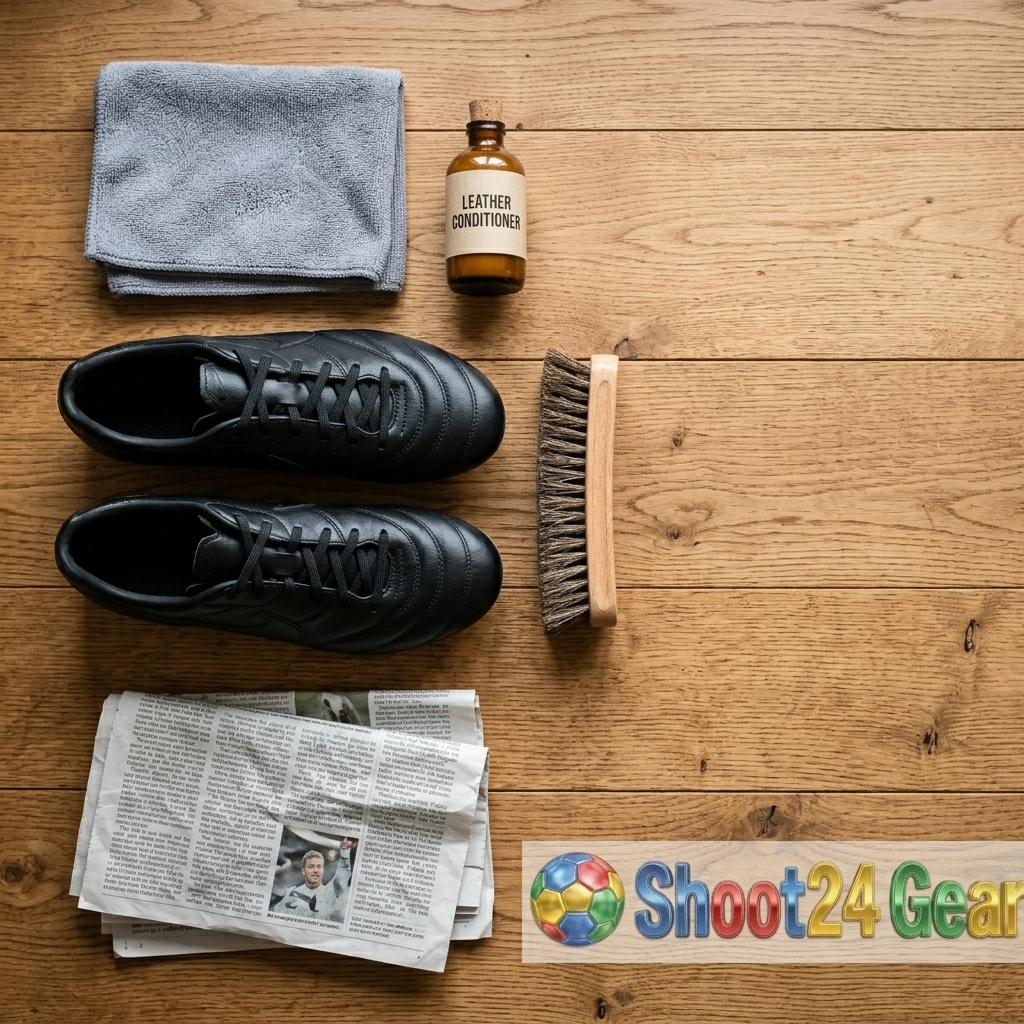
Leather conditioner replaces the natural oils that moisture, dirt, and use gradually strip from the leather surface. Without conditioning, leather dries out, stiffens, becomes brittle, and eventually cracks. Regular conditioning maintains the suppleness that gives leather its characteristic touch quality and comfortable feel.
Apply leather conditioner every two to four weeks during active use — more frequently in wet weather when the leather faces greater moisture exposure. Use a conditioner specifically designed for football boots or general leather athletic footwear. Apply a thin, even layer with a soft cloth, allow it to absorb for ten to fifteen minutes, and then buff gently to remove excess.
Do not over-condition. Excessive conditioner saturates the leather, making it overly soft and prone to stretching beyond its intended shape. A thin layer that absorbs fully is correct — if conditioner remains as a visible film on the surface after fifteen minutes, you have applied too much.
Leather-Specific Drying
Leather’s moisture sensitivity makes proper drying even more critical than for synthetic boots. Wet leather that dries too quickly stiffens and cracks. Wet leather that dries too slowly develops mold and mildew. The newspaper-stuffing method at room temperature provides the moderate drying rate that leather needs — slow enough to prevent stiffening, fast enough to prevent mold.
After drying from a wet session, condition the leather before the next use. The drying process removes oils along with the moisture, and replacing those oils before the leather faces further stress prevents the cumulative drying that leads to cracking.
Synthetic Boot Care
Synthetic boots are lower maintenance than leather but still benefit from proper care.
The basic cleaning and drying protocol is sufficient for most synthetic boots. No conditioning is required — synthetic materials do not contain natural oils that need replacing. The primary care concerns for synthetic boots are adhesive preservation (avoid heat), structural maintenance (avoid bending boots backward or storing them in compressed positions), and outsole cleanliness.
Knit synthetic boots (Flyknit, Primeknit) can trap more moisture than laminated synthetics due to the porous knit structure. These boots may require longer drying times and more aggressive initial moisture removal with newspaper stuffing. In wet seasons, knit boots benefit from boot dryer use to ensure complete internal drying between sessions.
Stud and Soleplate Maintenance
The soleplate and studs receive less attention than the upper but are equally important for boot performance.
Molded studs (FG/AG): Inspect stud tips regularly for uneven wear. Studs that have worn flat or developed asymmetric wear patterns reduce traction and can alter your gait in ways that stress joints. If multiple studs show significant wear, the soleplate is approaching end of life.
Screw-in studs (SG): Check tightness before every session using a stud key. Replace worn or damaged studs promptly — a single missing or damaged stud affects the entire soleplate’s grip pattern. Keep spare replacement studs in your kit bag for emergencies.
Soleplate bonding: The junction where the soleplate meets the upper is a common failure point. Inspect this bond line regularly for separation, peeling, or gaps. Small separations can sometimes be repaired with specialist boot adhesive (such as Shoe Goo or Boot Fix), extending the boot’s usable lifespan.
Storage
How you store boots between sessions and between seasons affects their condition and lifespan.
Between sessions: Store boots in a cool, dry, ventilated area. Not inside bags. Not in car boots (which experience temperature extremes). Not in direct sunlight (UV degrades both leather and synthetic materials over time). A shelf in a garage, utility room, or bedroom provides appropriate conditions.
Seasonal storage: If you store boots for an extended period (summer break, off-season), clean them thoroughly, ensure they are completely dry, apply leather conditioner if applicable, stuff with newspaper to maintain shape, and store in a cool, dry place away from sunlight. Do not store boots in sealed plastic bags — moisture trapped inside promotes mold growth during long-term storage.
Boot bags: Boot bags are useful for transporting boots to and from training but should not be used for storage. After arriving home, remove boots from the bag immediately and allow them to ventilate. Boots left in sealed bags between sessions develop odor and moisture problems rapidly.
Odor Management
Boot odor is caused by bacteria that thrive in the warm, damp environment inside a worn football boot. Prevention is more effective than treatment.
Remove insoles after every session and dry both boots and insoles separately — this is the single most effective odor prevention step. The insole surface is where most bacterial activity occurs, and drying it separately disrupts the bacterial growth cycle.
Antibacterial sprays designed for athletic footwear can supplement the drying protocol. Spray the boot interior after cleaning and before drying for additional bacterial control. Baking soda sprinkled inside boots overnight absorbs odor and moisture — shake it out before the next session.
If odor has already developed, a thorough clean with antibacterial soap, followed by complete drying and antibacterial spray treatment, usually resolves the problem. Persistent odor that resists treatment may indicate bacterial contamination of the insole material itself — replacing the insoles often eliminates the odor source.
Surface-Specific Care Considerations
The surface you play on affects how you should care for your boots because different surfaces create different types of wear and contamination.
Natural grass (FG/SG): Mud and grass stains are the primary concerns. Clean mud immediately after playing — dried mud hardens and becomes much more difficult to remove, and its alkaline properties can damage leather over time. Grass stains on white or light-colored boots can be addressed with specialist boot cleaners, but aggressive scrubbing can damage the upper surface. Accept that match boots will develop character through use rather than pursuing showroom condition.
Artificial turf (AG/TF): Rubber crumb infill from artificial pitches embeds itself in stud channels, lacing areas, and upper textures. This infill should be removed after each session because it retains moisture and promotes bacterial growth. A stiff brush effectively clears rubber crumb from most areas. Artificial turf also creates more aggressive abrasion on uppers than natural grass — inspect synthetic uppers regularly for thinning areas, particularly around the toe box and medial forefoot where surface contact is highest.
Indoor surfaces (IC): Indoor court surfaces deposit dust and floor polish residue on the rubber outsole, gradually reducing grip. Clean the outsole after each indoor session with a damp cloth to maintain the rubber’s friction properties. Indoor shoes rarely encounter mud or heavy contamination, making them the lowest-maintenance category overall.
Boot Rotation Strategy
Serious players who train frequently benefit significantly from maintaining two or more pairs of boots in active rotation. This strategy extends the lifespan of all boots in the rotation for several practical reasons.
First, rotated boots dry completely between uses. A single pair used for training on consecutive days may not fully dry between sessions, accelerating moisture-related damage. With two pairs alternating, each pair has at least 48 hours of drying time between uses — sufficient for complete moisture removal even in humid conditions.
Second, material stress distributes across sessions rather than concentrating in a single pair. Leather that stretches during one session has time to partially recover between uses when rotated. Adhesive bonds that flex during play have rest periods to maintain their integrity. This distributed stress extends the total lifespan of each individual boot beyond what it would achieve in solo rotation.
Third, rotation provides a backup. When one pair reaches end of life or needs temporary retirement for drying or repair, the second pair maintains training continuity without requiring an emergency purchase.
The ideal rotation for a player training four to five times per week involves a primary match pair (newer, premium) and a training pair (older or mid-range). The training pair absorbs the heavy wear of drills, exercises, and routine sessions, while the match pair stays fresh for competitive play. When the match pair accumulates significant wear, it becomes the training pair, and a new match pair enters the rotation.
Travel and Transport
How you transport boots to and from training affects their condition between care sessions.
Use a dedicated boot bag with ventilation openings rather than throwing boots loose in a sports bag. Boots crushed under equipment in a bag can deform, and contact with wet clothing transfers moisture to boots that may have been dry. A separate compartment or bag keeps boots protected and ventilated during transport.
After arriving at training or a match, remove boots from the bag and allow them to air briefly before wearing. This is particularly important in hot weather when boots stored in a car or bag may have accumulated heat that softens adhesives temporarily.
For travel to away matches or tournaments, stuff boots with newspaper to maintain shape during transport. Place boots sole-to-sole and wrap them together to prevent studs from damaging other equipment in the travel bag. Allow boots to air immediately upon arrival rather than leaving them packed until match time.
Seasonal Considerations
Winter: Wet, muddy conditions demand the most rigorous care routine. Expect to use the full newspaper-stuffing and room-temperature drying protocol after every session. Leather boots need more frequent conditioning — every two weeks rather than every three to four. Consider a boot dryer investment if natural drying is insufficient between daily training sessions.
Summer: Heat becomes the primary risk. Do not leave boots in cars, on window sills, or in direct sunlight. The same heat rule that applies to drying applies to general storage — adhesives weaken in prolonged high temperatures. Summer also brings harder, drier pitch conditions that create different wear patterns on studs — inspect stud condition regularly as firm summer pitches can accelerate stud wear.
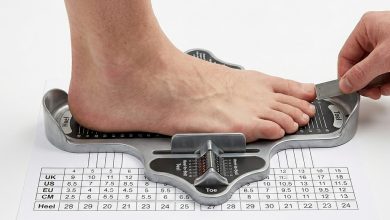
Pre-season: Before the season begins, inspect stored boots thoroughly. Check soleplate bonding, stud condition, upper integrity, and overall fit (feet can change during off-season, particularly in younger players). Clean, condition, and re-lace boots before the first session. Starting the season with well-maintained equipment sets the foundation for a full season of consistent performance.
When to Replace vs When to Repair
Knowing when a boot can be extended through repair and when it needs replacement prevents both premature disposal and unsafe continued use.
Repairable: Minor soleplate separation (reattachable with boot adhesive). Worn laces (replaceable). Worn insoles (replaceable with aftermarket alternatives). Small surface scratches on synthetic uppers (cosmetic, not performance-affecting).
Replacement required: Upper material worn through to the foot. Significant soleplate separation that adhesive cannot hold. Studs worn beyond effective grip level with no replacement option. Structural deformation that alters fit. Persistent material breakdown that affects the boot’s fundamental performance.
Summary
Boot care is not glamorous, but it is the difference between boots that perform well for eight months and boots that fail at four months. The core protocol is simple and effective: clean after every session, dry properly without heat, condition leather regularly, inspect studs and soleplates periodically, and store boots in ventilated, temperature-stable conditions away from direct sunlight.
The five to ten minutes per session that proper care requires costs you nothing but attention and time. The return — longer boot lifespan, consistent performance, and fewer replacement purchases — makes boot care one of the highest-value habits in football equipment management.
Product-specific care recommendations and material sensitivities may vary between brands and construction types. Always consult the detailed care instructions provided with your specific boots for any material-specific guidance, and verify compatibility before applying any cleaning products or conditioning treatments.